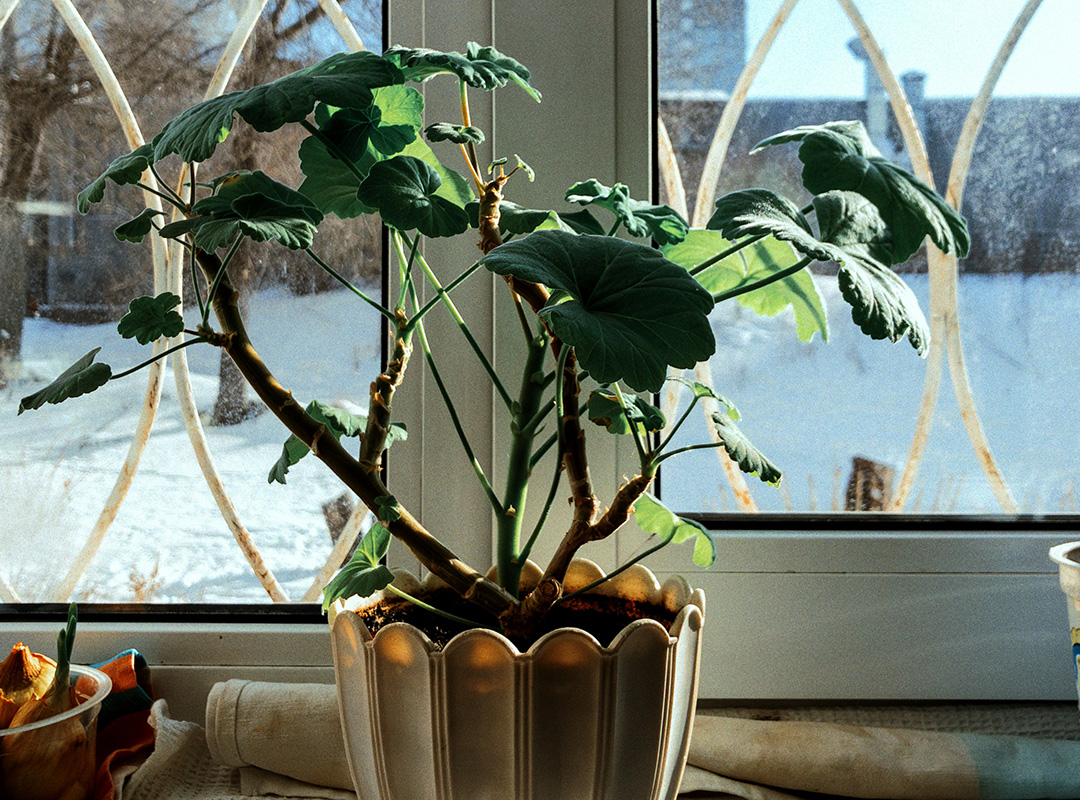


Brrrrr! Winter has arrived and with it comes changes to how we care for our houseplants. As the days get shorter and the chill sets in, our indoor plants feel the shift just as much as we do.
Winter is a time of rest for plants. But while they're hibernating, you’re still on plant care duty! Here are a few tips to help your houseplants thrive through the chill.
Light Matters More Than Ever
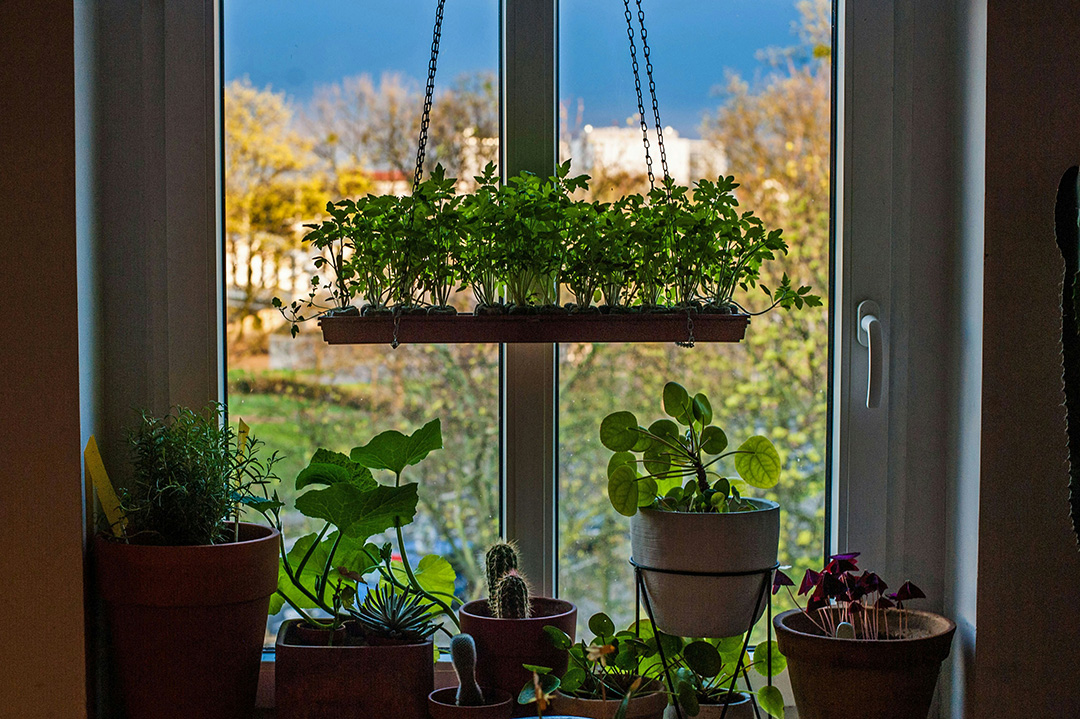
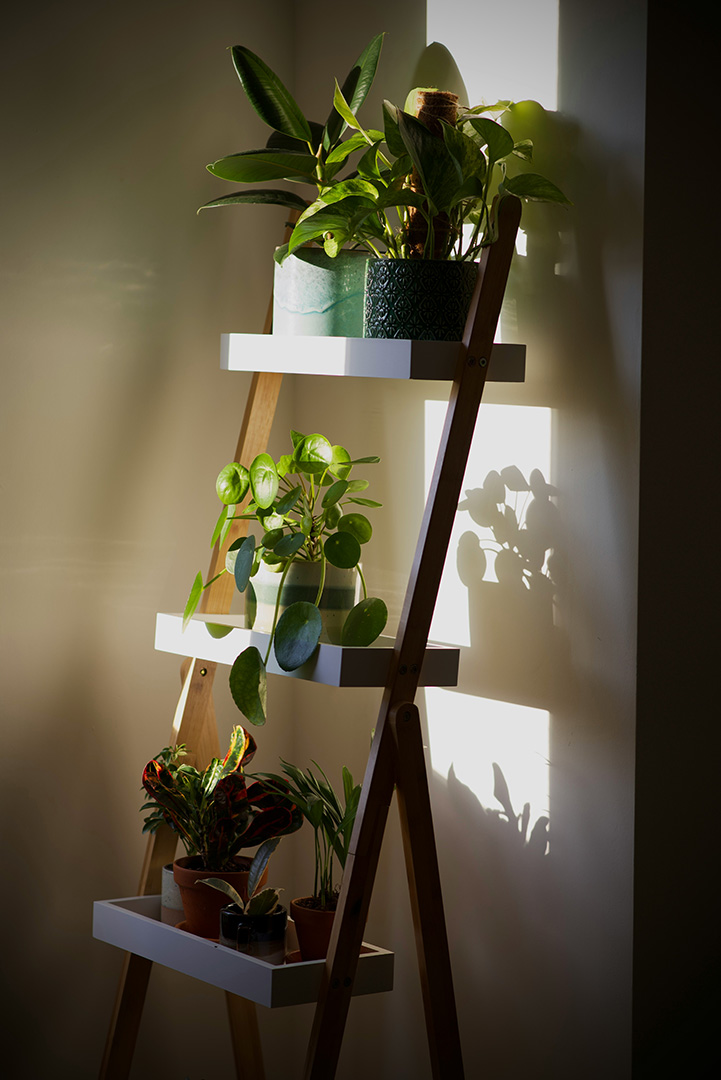
If your home lacks south-facing windows, your plants might be starved for light. South-facing windows get the brightest and most consistent sun during winter in the northern hemisphere, while east, west, and south exposures lose much of their light.
Consider moving your plants to follow the light. A grow light can be a game-changer, especially for light-hungry varieties like Fiddle Leaf Figs or succulents.
Dusty leaves can prevent growth and have a negative effect on overall plant health. Wiping your leaves throughout winter to keep them clean will allow your plant to better absorb light.
Keep The Cold At Bay
Plants don't love cold feet (or leaves). When temps drop, many go dormant or begin to decline. Keep your plants in rooms that stay warm, and consider using a heat mat or running a bar heater overnight. Just be careful: plants should sit a few metres away from direct hot air to avoid drying out completely.
Need some extra help? Hop into the Plant Doctor chat with any of your plant questions. Our horticulturists are here to help!
Consider Humidity Levels
An unintended consequence of running your heaters to keep warm this winter is it dries the air around your plants which in turn can lead to browning leaf tips. A humidifier is a solid investment, as is using a pebble tray, or simply grouping plants to create a shared microclimate.
Just make sure your space has good air circulation to prevent mold and mildew growth.
Watch For Waterlogged Roots
Plants are extra sensitive in winter, and soggy soil is one of the quickest ways to stress them. Always empty your drip trays and decorative pots after watering—sitting in water can lead to root rot.
Don’t Let The Soil Go Hydrophobic
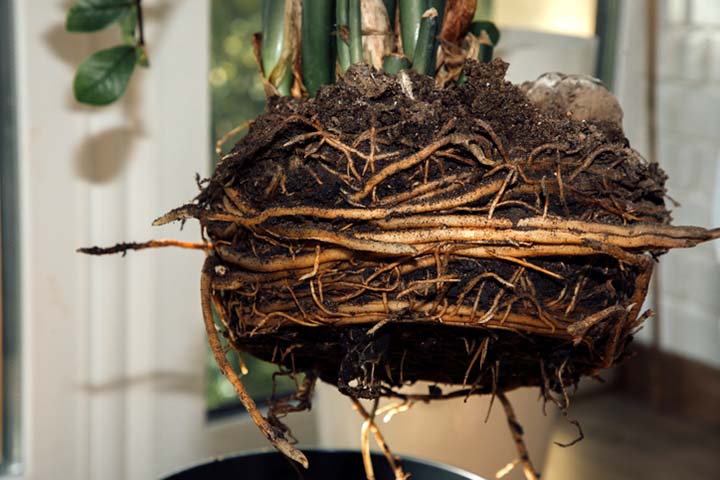
Your soil will dry out more slowly in winter, but that doesn’t mean you can water less thoroughly. Make sure you’re fully drenching the soil each time, and use your fingers or your Willow Sensor to check that the water is reaching the roots. If your plant feels dry even after a watering, your mix may have become hydrophobic and is repelling water. Time to rehydrate it fully.
A final note, your plants are likely going to look a little worse for wear in winter and that's ok! It's a natural part of their seasonal cycle and our job is to keep them as happy as we can until spring arrives.


