


It’s that time of the year when summer has come to an end, the days get a little less long, the heat drops a few levels, and the leaves begin to fall. Goodbye summer wear and hello cardies and cosy time at home.
For your indoor plants, the entry into autumn also brings about a change in their care. Here’s a general FYI on what to look out for and keep in mind.
Follow the light!
As the days get shorter, it pays to keep an eye on how this impacts the level of light your plants receive. The sun shows itself less and the angle in which light enters your house changes. That sunny summer spot your plant loved might now be too dim, and your Willow Sensor might start to alert you that it needs more light.
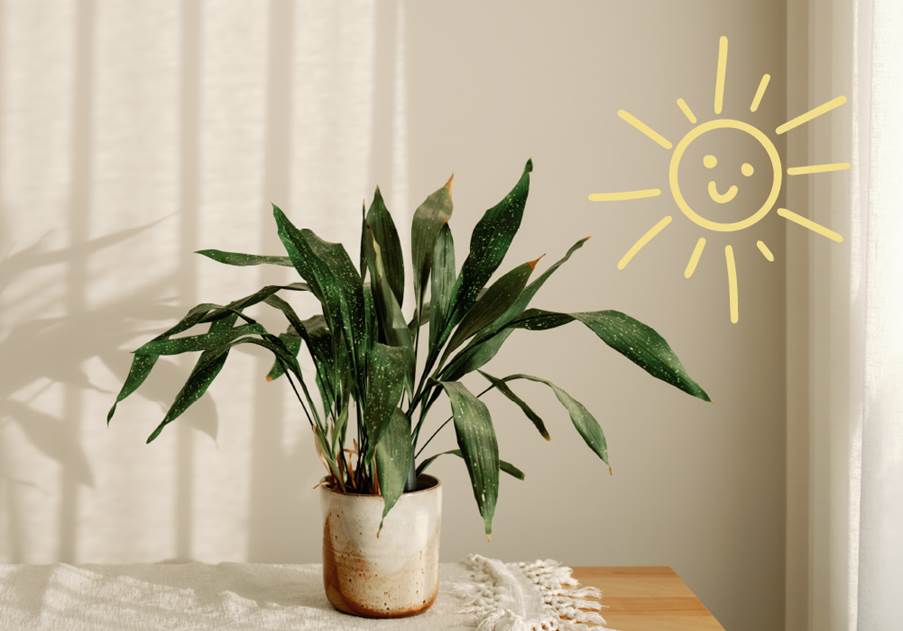
For a brighter outlook, consider moving plants closer to a window to catch more light. Just be mindful of strong or particularly cold drafts as plants don’t like extreme changes in temperature. For this, you may also need to shift some plants away from a windowsill.
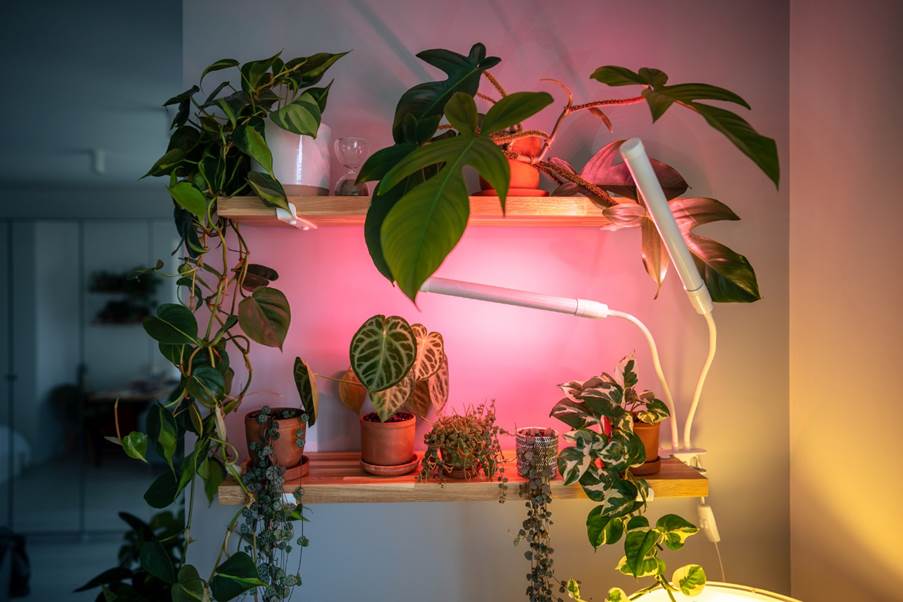
Horti Tip: If you’re getting low light notifications even after changing your plant’s placement, supplement your plant’s natural sunlight with a grow light. Set the light above or facing the plant, keeping it 30 to 45 cm away from foliage.
Ease up on the watering 💦
As the mercury takes a dive and the light retracts, you’ll notice Willow will slow the rate of water alerts. These are direct orders from your plants!
When it cools down, your houseplants' soil takes longer to dry out leading to more time in between watering. It’s important to give your plant some space from the watering can so you don’t risk running into the #1 plant killer - overwatering.
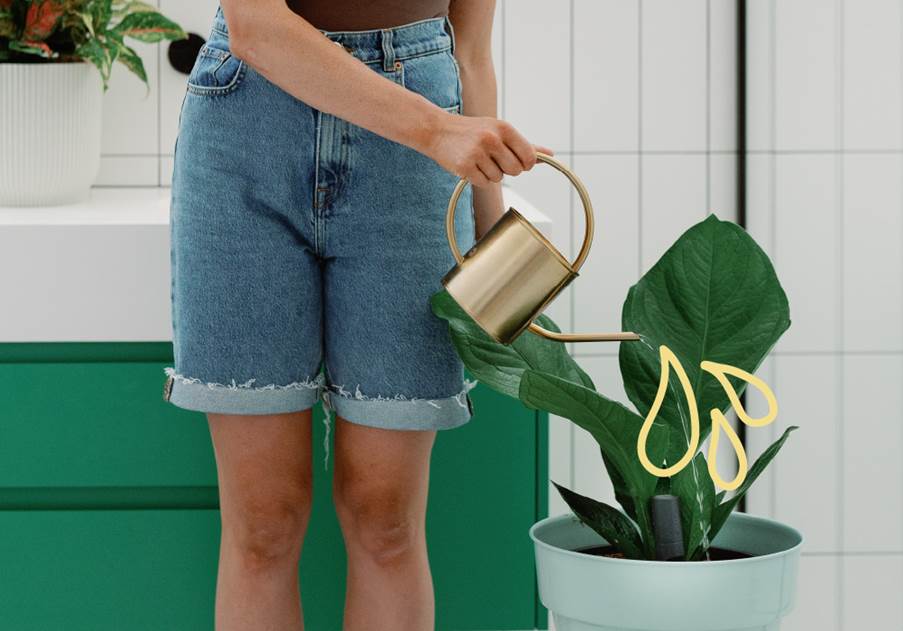
Horti Tip: Less water alerts doesn’t mean less water when it’s time for a drink! It’s still recommended to water them thoroughly (as long you've plant pot has drainage holes and good light!)
Lean into slower growth
Plants will slow down their growth during autumn. Those that flower may push out their last few blooms before packing it in for the season. You might notice leaves falling and a general lack of vigour, especially if you own tropical houseplants. They’re not accustomed to cooler climates – anything below 10°C and they will start to struggle.
The good news? There’s no need to worry when your plant’s leaf and root growth starts slowing down—it’s a natural part of their seasonal cycle. Use the app to track changes and spot patterns! Log new growth, fallen leaves, and seasonal shifts to get a deeper understanding of your plant’s natural rhythm over time.
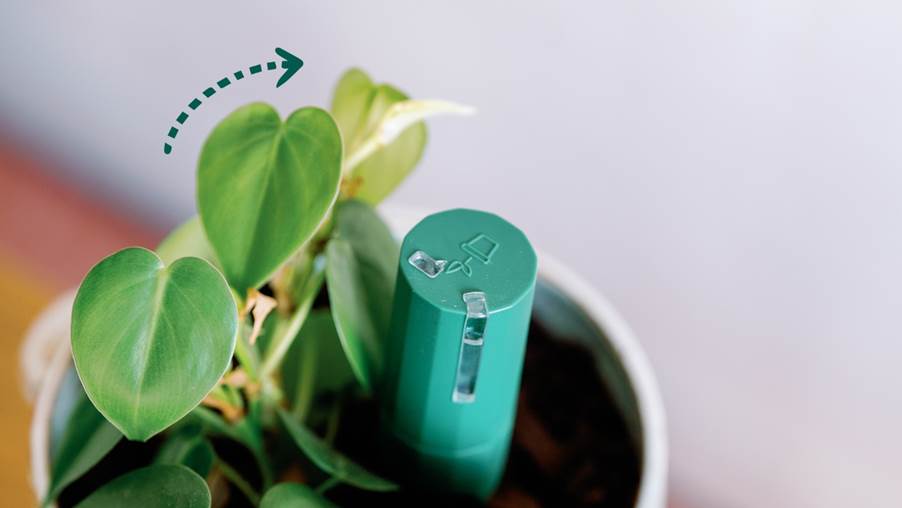
Horti Tip: A few leaves dropping is normal and nothing to be concerned about! If you notice a lot of leaves starting to fall, it could be a sign of something more serious. Willow Grow members have a Plant Doctor consultation included each month – start a chat to help figure out what’s going on.

