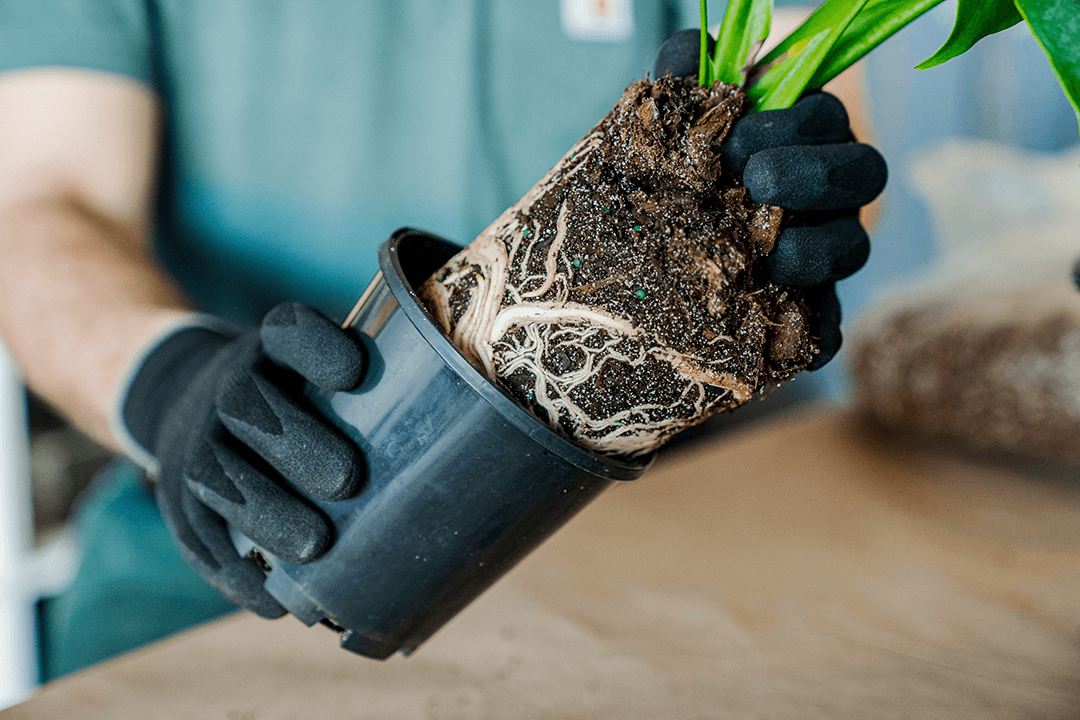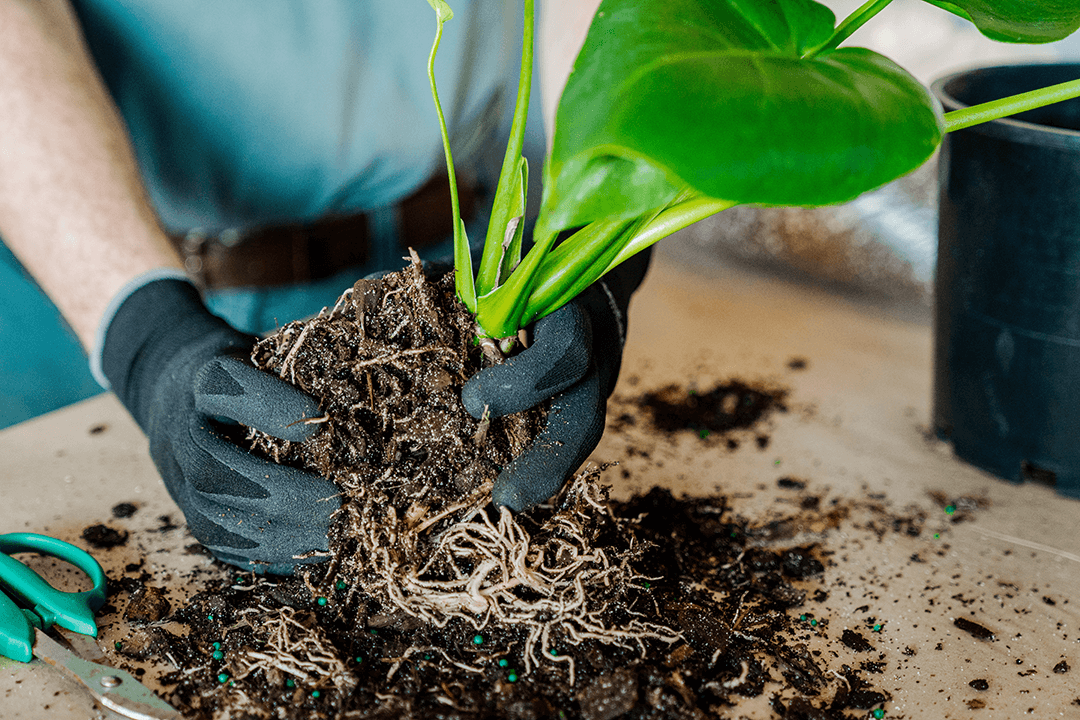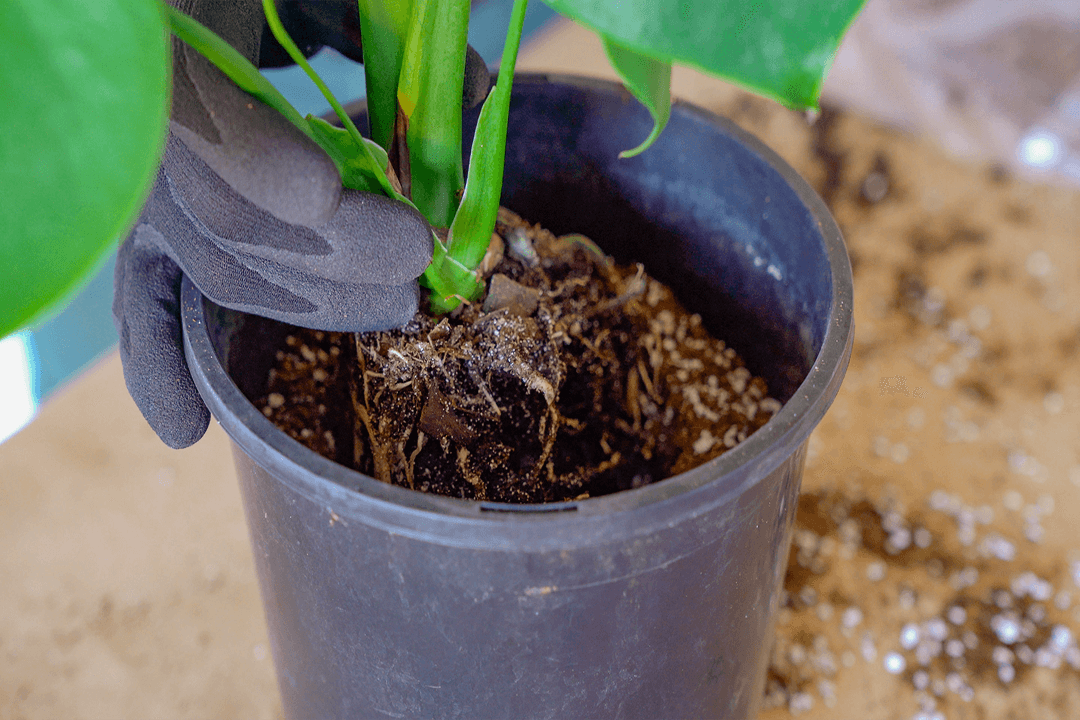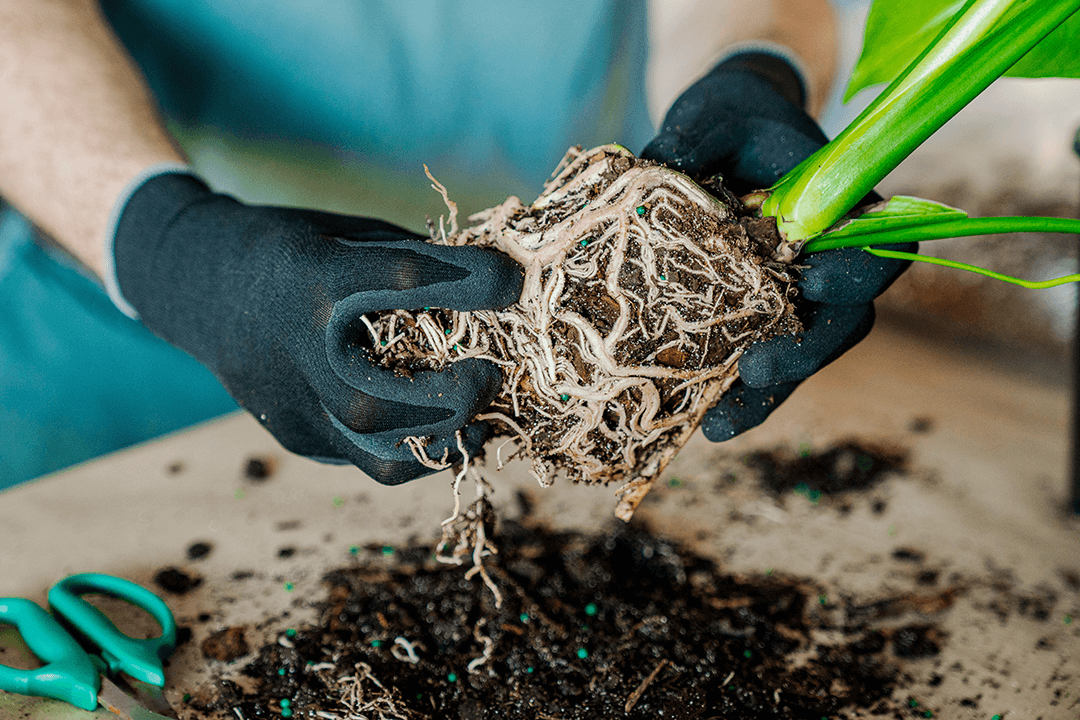


Repotting your plants can sound tricky and even a bit daunting but with this tutorial you will have nothing to worry about.
First things first, repotting doesn’t always mean a change or upgrade in size of container, but rather a refresh of your plants potting mix. Fresh soil means new nutrients to your plant. In the wild, this occurs naturally through fallen leaves, bugs, and organic matter. For your houseplants, this means you getting your hands a little dirty and repotting.
When and how often you should repot
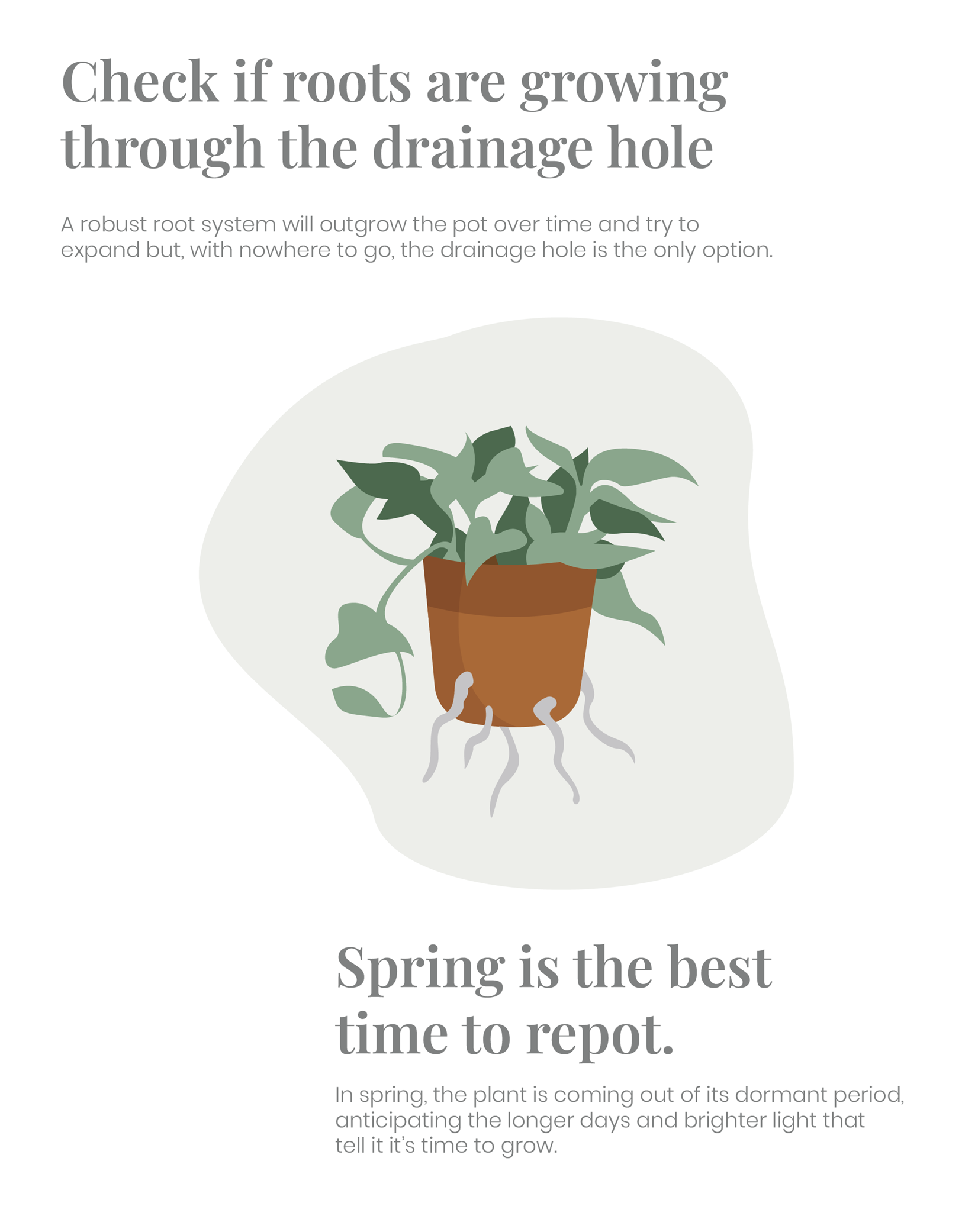
Bar a few exceptions, the best time to repot your plants is at the start of the growing season (spring and summer). Your plant is naturally preparing to stretch its roots and so will adjust to the new home much faster.
How often depends on the type of plants you have. Your slow-growing ZZ Plant isn’t going to need as much work as perhaps your fast-growing Philodendron or Pothos. As a rule of thumb, fast-growing plants will benefit from a repot every 12-18 months max. Whereas, slow-growing plants may not require a repot for at least 2-3 years.
Check out our plant library for specific care instructions and keep an eye out for the following indicators. Your plant will let you know when it’s time!
The size of the new pot
If your plant is showing the above signs and it’s growing season, it’s time to repot. If upsizing, try to keep the size of the new container no more than 2 inches larger in diameter. Your plant should be cozy yet have a little extra room to grow into the year ahead.Most plants in fact, prefer to be slightly underpotted.
An overpotted plant will focus on root growth at the expense of new foliage or flowers which if we’re being honest is what we’re chasing! Any larger and you also run the risk of root rot. More soil means your pot will hold onto more water for longer periods. An oversized planter plus lots of wet soil is a recipe for killing your plant with too much love.
Repotting your plants
It’s important to take a bit of care. A few days before the transplant, hydrate your plant. You want the soil and roots lightly moist but not saturated.
Things you'll need:
- Plant to be repotted
- New pot
- Preferred potting mix
- Trowel
- Watering can
- Gloves (optional)