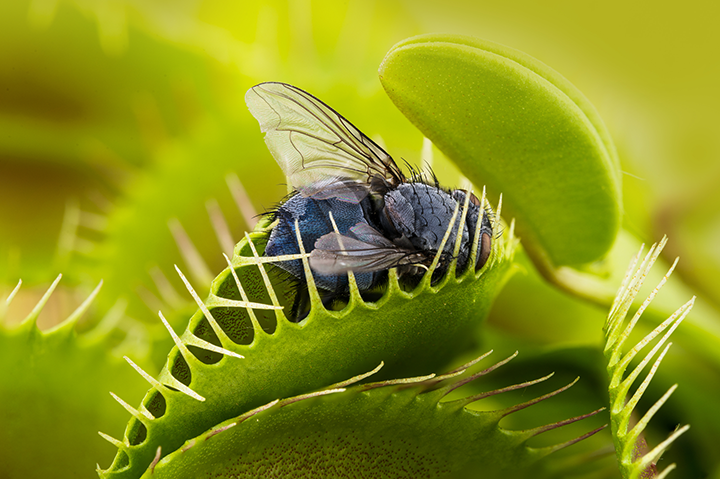


Houseplants are not only aesthetically pleasing, but they also provide numerous benefits such as improved indoor air quality, stress reduction, and increased productivity. They are not, however, immune to herbivores, pests and diseases. You may have heard of the Venus Flytrap but many other houseplants, fortunately, have natural defences that help protect them from harm. This article will go over some of these defences, such as trichomes, sticky sap, and pheromones.
Trichomes
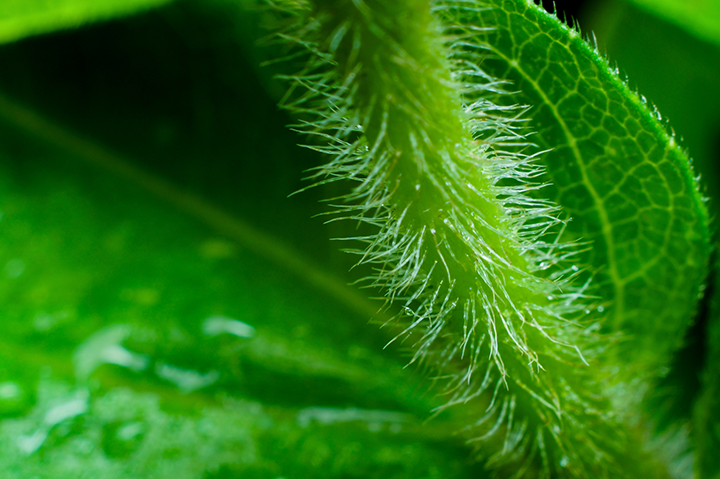
Trichomes are small, hair-like structures found on the leaves and stems of a variety of plants, including houseplants. They come in a variety of shapes and sizes, ranging from short and stubby to long and bristly. Trichomes serve a variety of functions, one of which is defence. They can deter herbivores by making the leaves and stems difficult to digest or by emitting unpleasant tastes or odours.
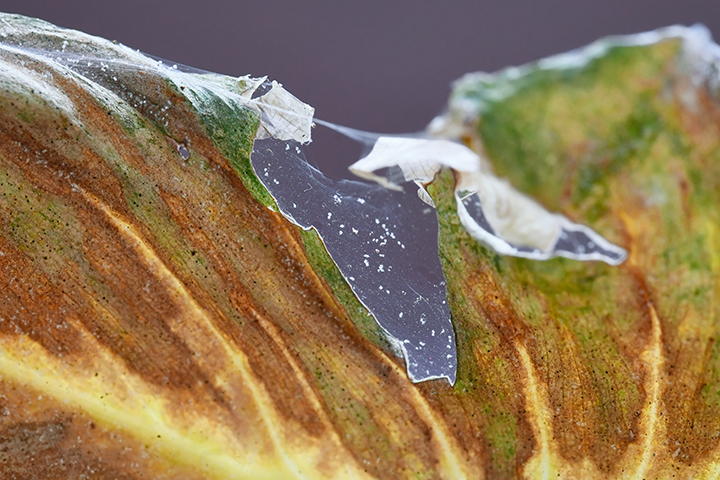
The Spider Plant (Chlorophytum comosum), for example, has small, hair-like trichomes on the tips of its leaves that deter herbivores. The trichomes are particularly effective against small insects like spider mites, which can harm the plant's foliage. The trichomes make it difficult for mites to move around and feed on the leaves, limiting the amount of damage they can cause.
Sticky Sap
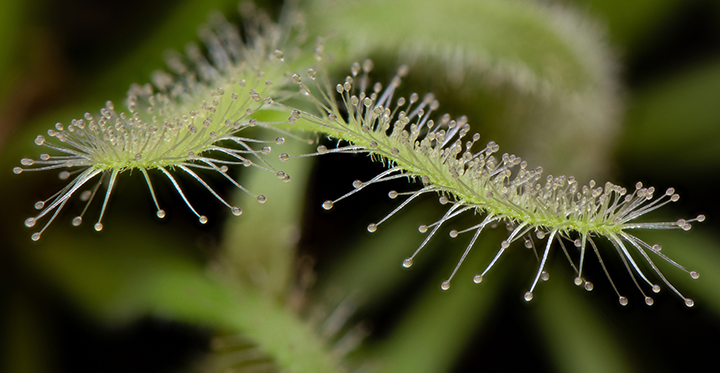
Sticky sap is another natural defence used by many houseplants to ward off pests. The sap is frequently sweet and viscous, and it can trap insects that are attempting to feed on the plant. Once stuck, the insects either become easy prey for predators or die of starvation.
Sundew is an example of a houseplant that uses sticky sap as a defence (Drosera). Sundews' leaves have sticky, glandular hairs that secrete a sugary fluid. When an insect lands on the leaves and begins to feed, the hairs on the leaves fold inward, trapping the insect in the sticky fluid. The Sundew then digests the insect, absorbing its nutrients and using them to grow and reproduce.
Pheromones
Pheromones are chemicals used by plants and animals to communicate with one another. Pheromones can be used as a defence mechanism in houseplants. Some plants emit pheromones that attract predators or parasites that feed on the pests that attack them. This can help to reduce the pest population and prevent further plant damage.
The Golden Pothos is one example of a houseplant that uses pheromones to defend itself (Epipremnum aureum). When attacked by pests such as spider mites or whiteflies, the plant emits a chemical signal that attracts Phytoseiulus persimilis, a predatory mite. Predatory mites feed on pest mites, reducing their population and preventing further plant damage.
Fungal and Bacterial Defences
Many houseplants have natural defences against bacterial and fungal infections. These defences may include the production of antimicrobial compounds, which aid in the protection of the plant against harmful microorganisms. In response to fungal or bacterial infections, some plants, for example, produce phytoalexins.
These compounds have antifungal and antibacterial properties and can help limit infection spread within the plant. Furthermore, beneficial microbes living in the soil around the roots of some plants help protect them from harmful pathogens. We can support these natural defences and keep our houseplants healthy by maintaining healthy soil and providing the right growing conditions.
In conclusion, houseplants have several natural defences that assist protect them from a variety of invasive illnesses and insects. Obviously, a few of these examples imply the way these plants work outdoors or within their natural habitat, but it’s always good to know our green babies aren’t as helpless as we think they are! You can provide better care for your houseplants and help them flourish if you have a better grasp of how these defences function.


