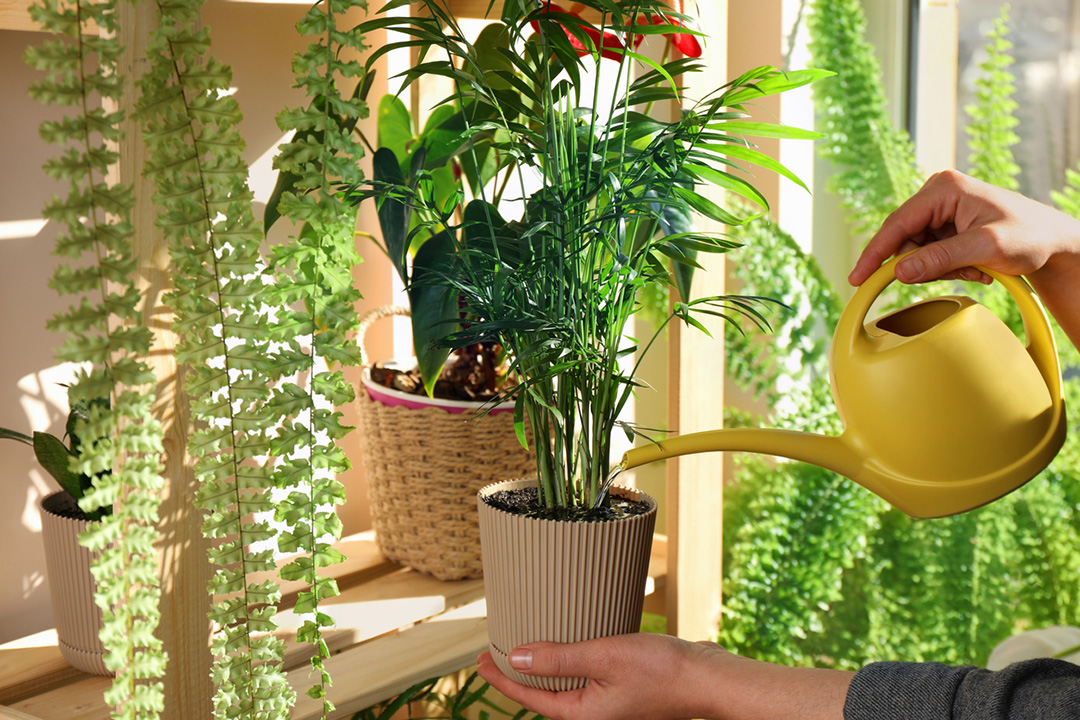


Let’s be clear: fertiliser (aka plant food) won’t make or break your plant’s chances of survival. Those critical factors are sunlight and water. However, if you’ve got big growth goals, fertiliser will give your green babies a supportive boost. Here’s a general guide on what, when and how to fertilise your houseplants.
What is Fertiliser?
Fertiliser is generally composed of concentrated nutrients that support photosynthesis, root growth and flowering. The three major nutrients that plants need are nitrogen, phosphorus and potassium. Those are typically broken down on the fertiliser’s packaging by NPK.
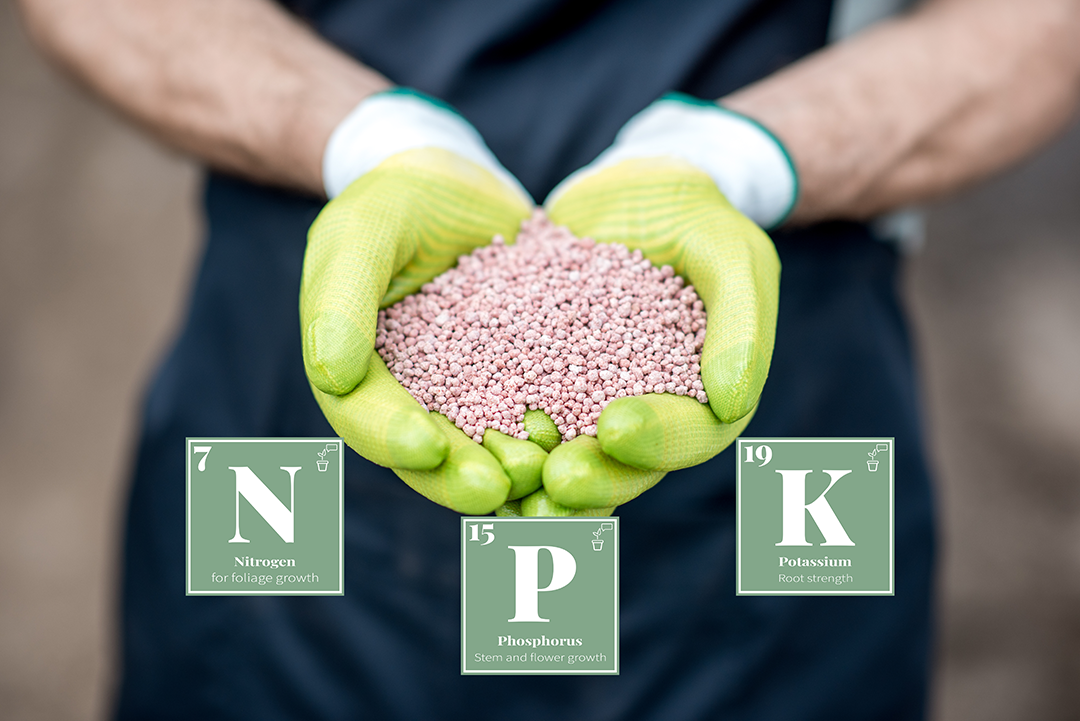
While fertiliser can come in various formats, we recommend liquid fertiliser for potted plants as the most direct and effective method of feeding them. However, organic slow release pellets are also a viable option.
When should I fertilise?
With liquid fertilsier, the most important rule is to only fertilise when your plant needs to be watered. Our Fertiliser Schedule will nudge you when it’s time to feed your respective plants. If Willow tells you to fertilise and the soil is still wet – wait! We’ve included a snooze button as part of the schedule, so just hit snooze or leave it and you'll be reminded at watering time.
Types of plant appetites
To figure out what type of appetite your plant has for fertiliser, we’ve done the work for you! Your Willow Fertiliser Schedule has your plants listed and categorised by appetite as Light, Moderate and Heavy feeders.
Light Feeder
Some plants are more sensitive to feeding than others. This is due to their delicate roots or their natural environment already being low in nutrients. Cactus, Dracaena and Hoya are good examples of plants that have managed to survive and grow in sandy, low-nutrient medium. This makes them light feeders as they’ll only need a bit of fertiliser to satiate their appetite.
General rule of thumb for light feeder types is that they won’t need to be fed often. When you do feed them, use a quarter of the recommended dose.
Moderate Feeder
Moderate feeders are for houseplants with a solid appetite for fertiliser. Many popular plants like Calatheas and Crassulas fall into this category and can handle a steady supply of food. For moderate feeders, use half the recommended dose for fertilising.
Heavy Feeder
Hungry hungry hippos, houseplant edition. Plants that are categorised as heavy feeders, like Pothos and Boston Ferns, love to grow rapidly and need a high intake of food to keep them growing. Use the full recommended dose when providing heavy feeders with their fertiliser.
Mixing Fertiliser
Pre-mixed fertilisers where the concentrate is already diluted with water and bottled up are available to purchase. Most fertilisers will come in a concentrated liquid form that you’ll need to dilute with water before feeding to your plant.
You’ll find instructions on measurement and dilution on the back of your fertiliser label; note that some brands require you to peel off a product description to access it (odd, we know, but we don’t make the rules).
Applying Fertiliser
We said it before and we’ll shout it out again: only apply liquid fertiliser when your plant is ready for water. Feeding your plants earlier puts it at risk of overwatering and developing root rot. Not good!
When your plant is ready for water and fertiliser, give the soil a light flush with plain water first and let that drain out of the bottom of your pot. Next, refill your watering can with the fertiliser-water combo and apply to the soil.
Soaking the soil first ensures the nutrients and minerals bond to the soil and properly feed your plant, rather than have your fertiliser drain from the pot.
Broccs Hot Take
To be eco-friendly, try catching the water that drips from your plant pots when you add fertiliser. The water that drains out after you fertilise can be used to feed other plants. This saves you fertiliser, money, and keeps fertiliser from polluting our waterways.

