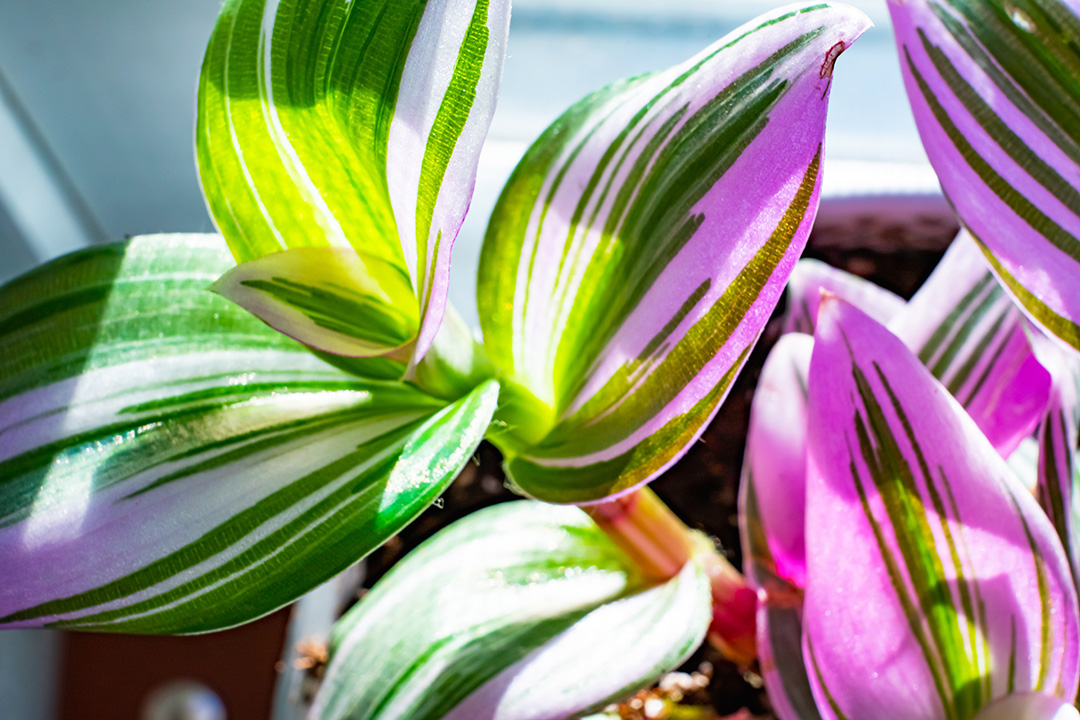


The most important factor to consider as a plant parent is the kind of lighting your plant needs to thrive. All the water and fertiliser in the world will be of no use if your plant doesn’t get the right amount of light.
Yes, plants love sun, but that doesn’t mean full sun 24/7. Too much sunlight will cause leaves to burn. They will become crisp in places or have burn marks on the leaves. Not enough sunlight and the leaves can turn a yellow colour, growth will slow, and your plant may become dangly and weak.
Types of Light
To help you find the right position for your plant, let's break down the commonly used and often misunderstood terms when discussing light for houseplants.
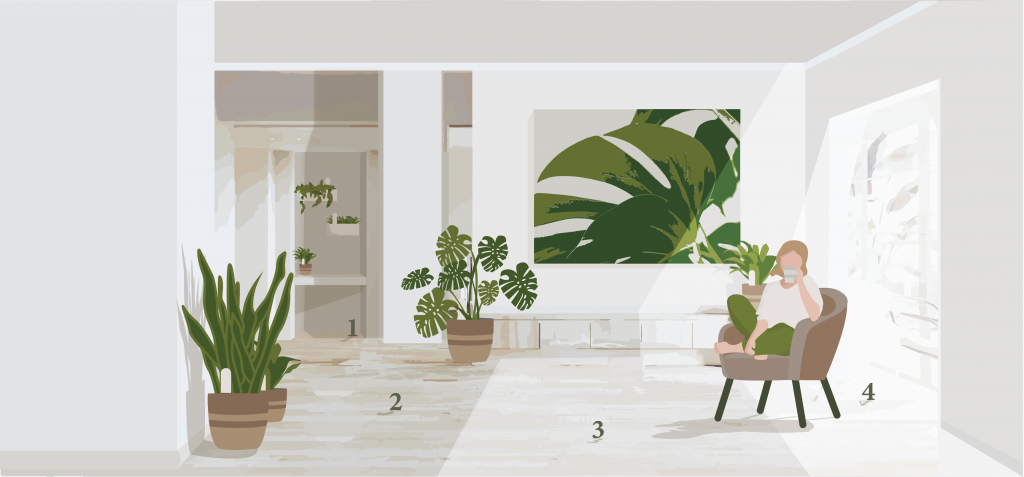
1. Low Light
In these conditions, your plant is likely in an alcove, hallway, or room with little lighting. From your plant’s perspective, it may see a window but certainly not the sky and sun.
Apart from some hardy plants such as the Snake Plant, ZZ Plant, Pothos or Heartleaf Philodendron, plants in these conditions may survive but certainly not flourish. Whenever you hear or see the term, ‘thrives in low light’, we’d like you to correct that to ‘starves gracefully’.
2. Medium Light
Medium light or filtered sunlight refers to light that has been diffused or partially obstructed between the light source and your plant. Areas receiving this level of light are also positioned further away from the light source which reduces its intensity further.
Think a well-lit room but not close to the window. Plants such as your African Violet, Begonias, Boston Fern, or Peace Lilly prefer these lighting conditions.
3. Bright Indirect Light
This term is often misunderstood but happens to be the type of light most indoor plants prefer. Bright indirect light is any light that doesn’t travel directly from the sun to your plants leaves but, instead, lands and bounces off something first. Your plant is close to the window, but light has been diffused from a sheer curtain or reflected from other surfaces (no sun shines directly onto the leaves).
Plants such as the Kentia Palm, Bird of Paradise, Croton or Maidenhair Fern prefer these conditions.
4. Direct Light
This is the most intense light a plant can receive and is used to describe when a plant has a direct line of sight of the sun. There are no barriers such as curtains or blinds, or tall trees or buildings that provide shade. Your plant is likely on a windowsill where the sun shines directly onto your plants leaves.
Tropical foliage plants cannot tolerate this kind of light for more than a few hours. On the other hand, cacti and succulents love it.
Windows and Sun Direction
Now that you understand the intensity of the light. Next, you need to understand your home, particularly the direction your windows point, as this plays a major part in how much light your plant receives.
The following guides are for the southern hemisphere. If in the northern hemisphere, the opposite is true for north and south facing windows.
North
In the southern hemisphere, rooms with a north facing window receive the most hours of direct sun per day. They get plenty of bright direct and bright indirect light almost all day except early morning and evening.
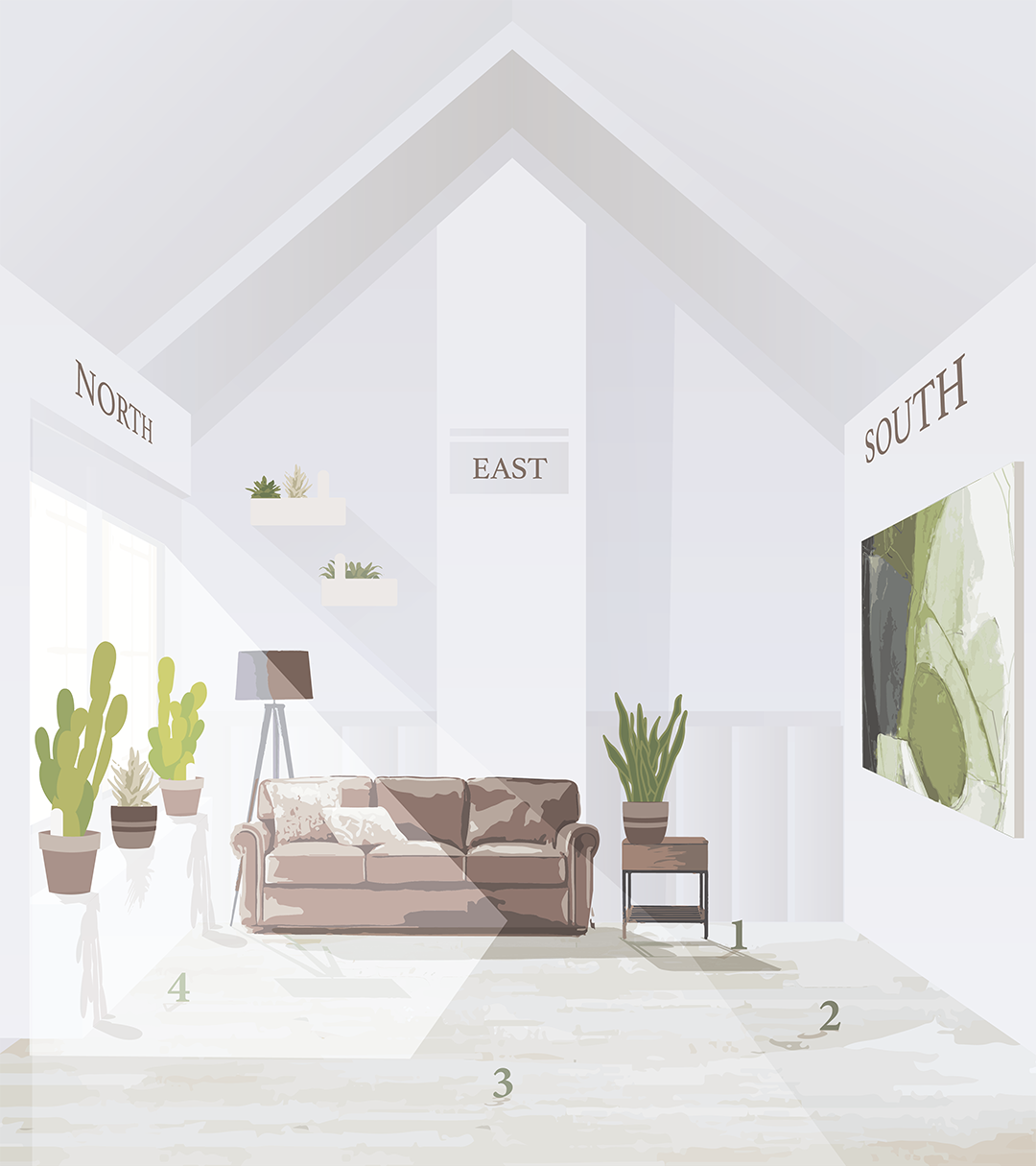
These strong levels of light are best for light-loving plants like succulents and cacti.
East
East facing windows are often the perfect spot for most houseplants as they receive the ideal amount and strength of sun. In the morning, they receive a few hours of direct sunlight that isn’t intense enough to cause leaf burn, and in the afternoon plenty of medium to bright indirect light.
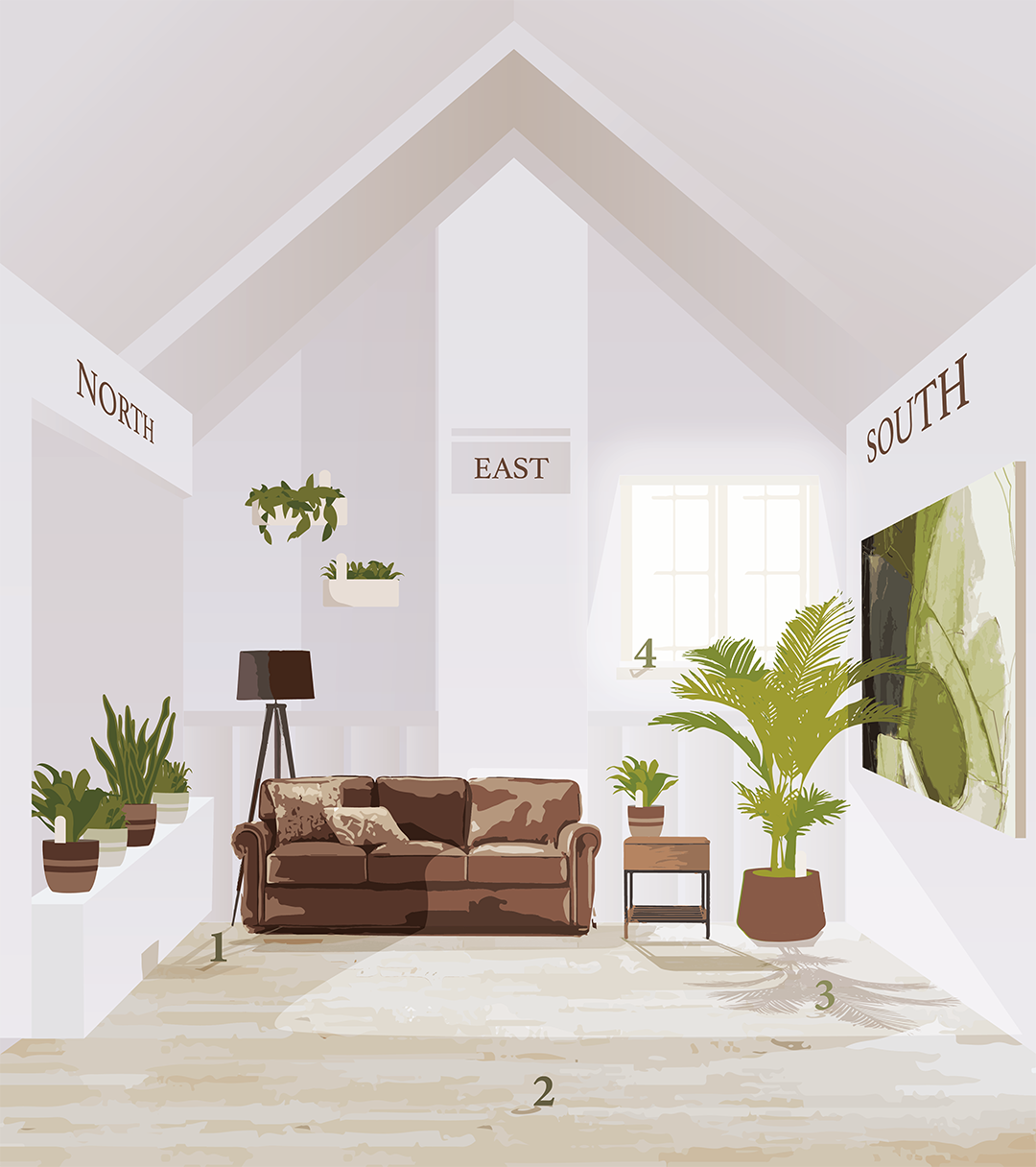
Plants to place near an east facing window include most palms, string of hearts, fiddle leaf fig, dracaena etc.
South
These rooms are often without direct sun, or at least not much of it, and therefore receive the least amount of light. That’s not to say, you can’t have plants in these rooms but you need to choose plants that can endure extended low light conditions.
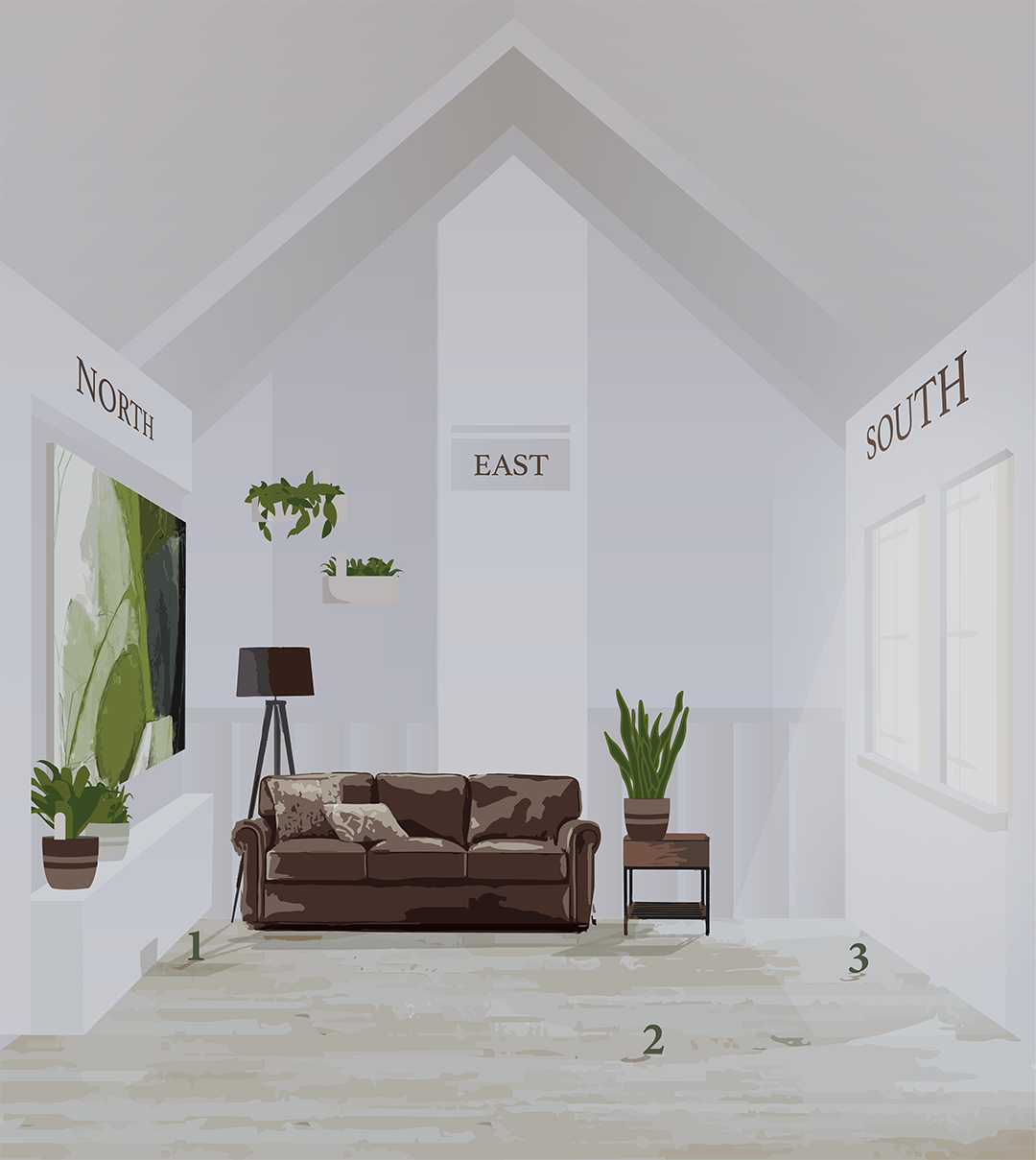
Best suited for your hardy plants like pothos, ZZ plants, or snakeplants.
West
Given the sun rises in the east and sets in the west, these rooms receive little sunlight in the mornings but plenty of bright direct and indirect light in the afternoon and evenings.
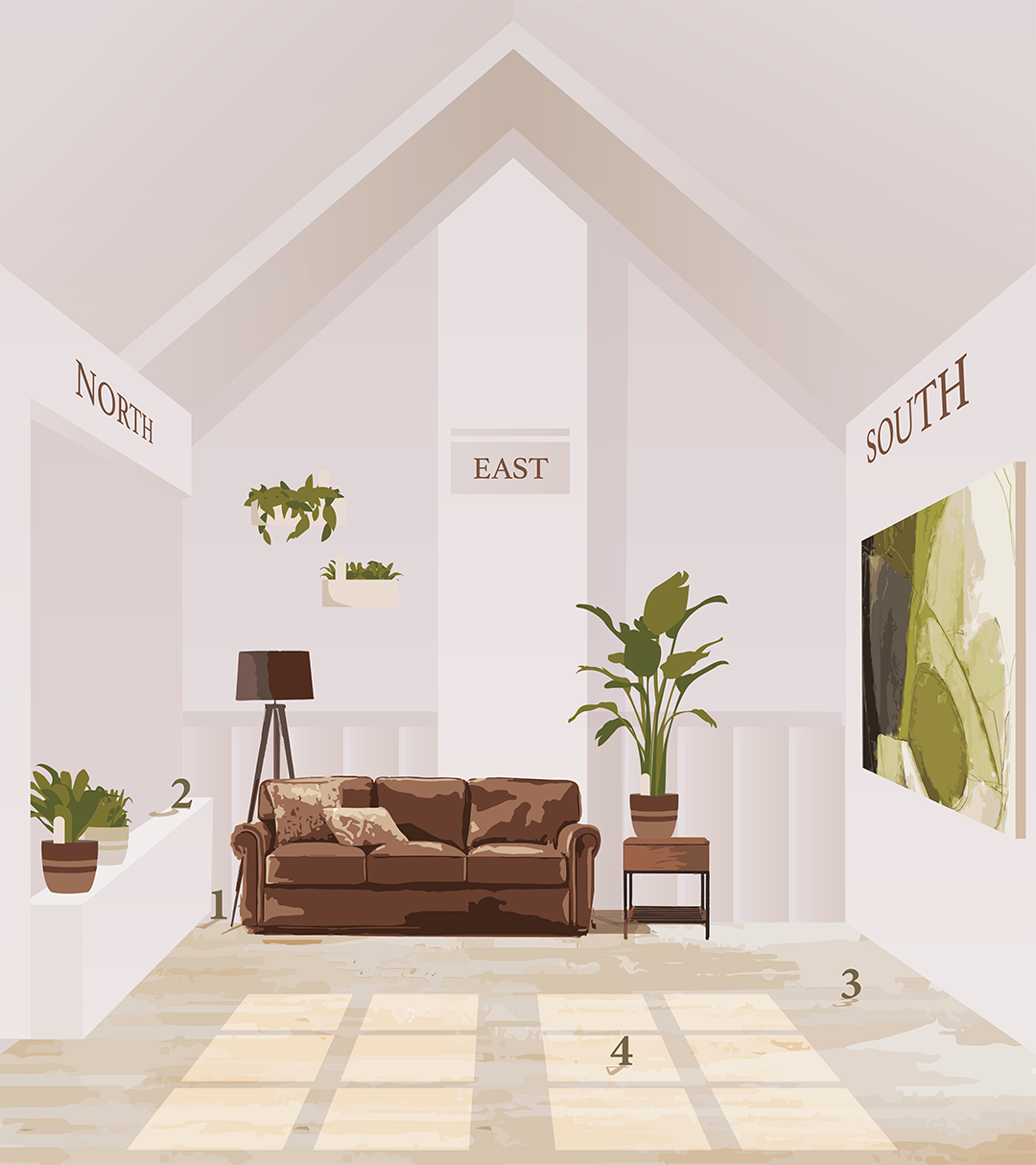
Plants well suited to these conditions include the umbrella tree, cacti, english ivy, or birds of paradise.

