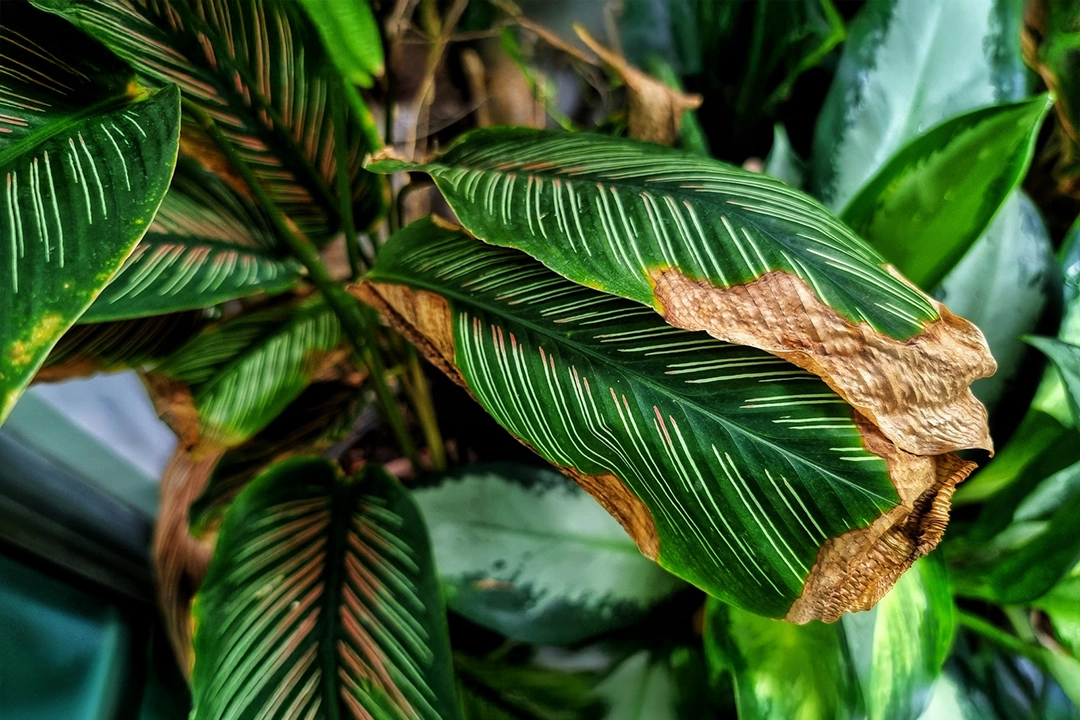


As a horticulturist and Willow Plant Doctor, I get this question all the time: Brocc, why are my plant’s leaf tips turning brown and crispy, and what am I doing wrong?
If you've noticed the ends of your plant’s leaves turning dry and brown, I have good news – you're not alone. Some not-so-great news? Crispy tips are one of the most common quirks of indoor plant care, so you’ll likely have to learn to deal with them. But let’s end this on a high note with more good news: they’re usually nothing to panic about.
Let’s dive into why they happen, when to worry (and when not to), and how to keep your plants thriving even if their tips are a little toasty.
It's (mostly) a humidity thing
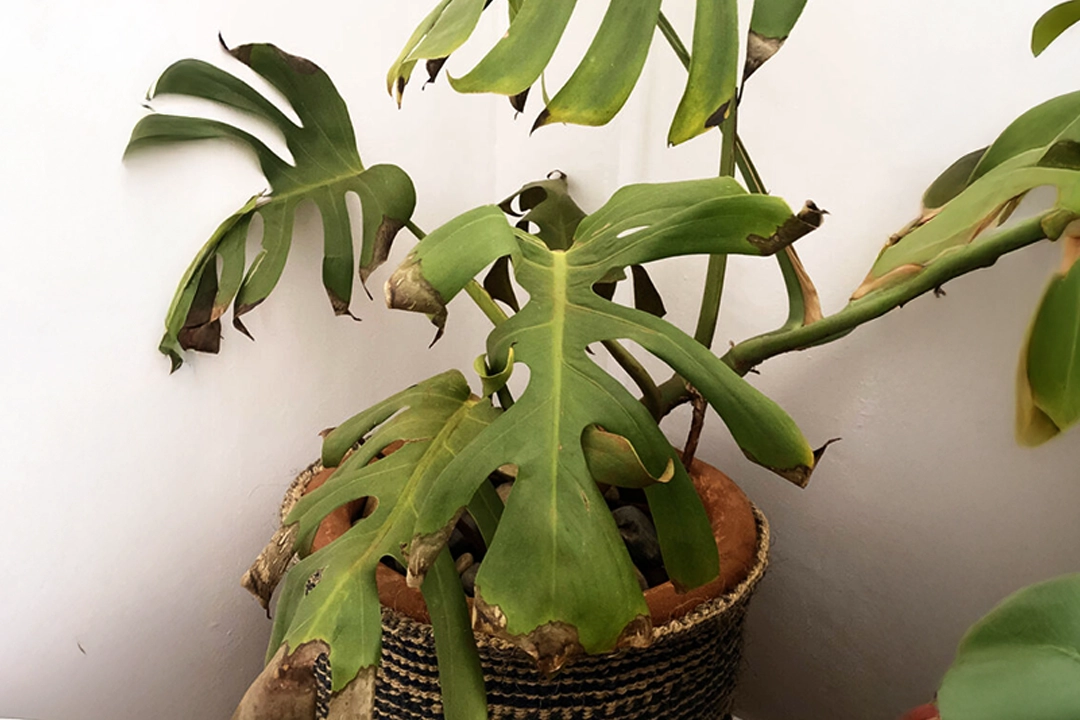
Most houseplants (especially our leafy tropical friends) are used to lush, steamy environments like jungles, where humidity regularly sits above 70%.
Our homes, on the other hand? Not quite the same vibe. Dry indoor air, especially in summer or during winter heating, can cause the moisture in the leaves to evaporate faster than the plant can replace it. The result? Dry, brown edges on the leaves.
 Growth = Some wear and tear
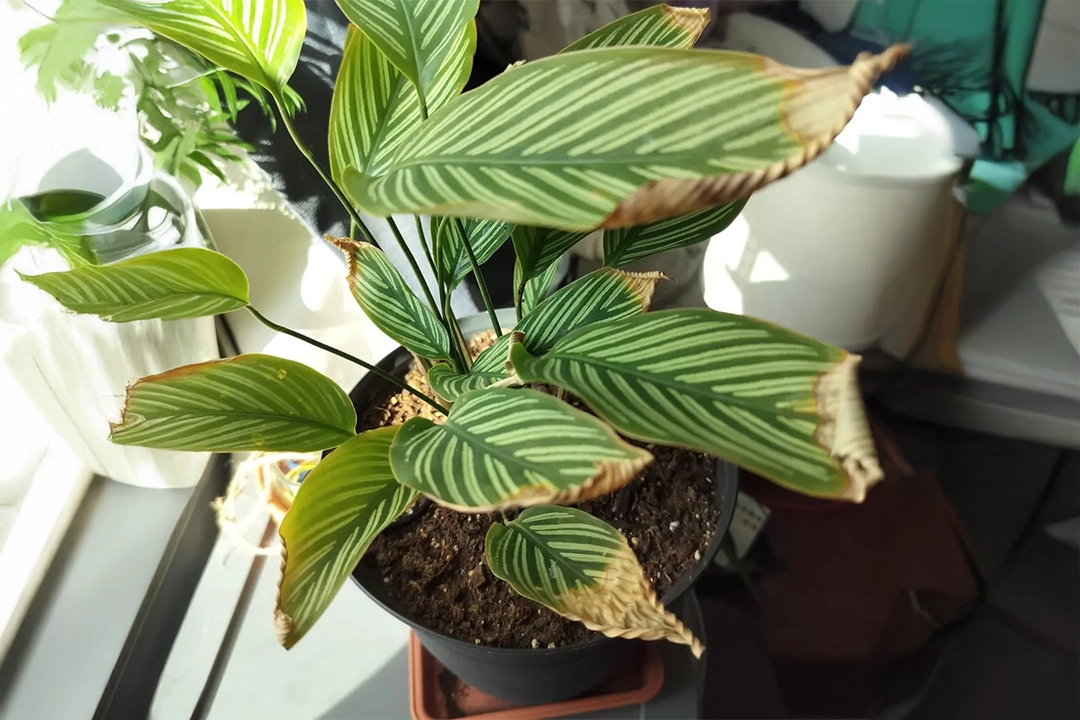
Plants are living, breathing things. That means they grow, age, shed, and regenerate, just like us.
Crispy tips can be a natural byproduct of ongoing growth, especially on older leaves that are reaching the end of their lifespan. If your plant is still pushing out new leaves and looks healthy overall, a few dry ends are completely normal.
Should you be worried?
Not necessarily. If crispy tips are the only thing going on—no drooping, no yellowing, no pests—then chances are your plant is doing just fine.
However, if you notice other symptoms (like black spots, wilting, or stunted growth), it might be worth checking for other issues like overwatering, poor drainage, or pests.
 What you can do about it
If crispy tips are testing your patience or getting worse on your plants, here are a few tips:
Boost humidity: Try grouping plants together, placing a pebble tray with water beneath them, or using a humidifier.
Avoid overwatering: It won’t fix the issue and can actually make things worse. If you use a Willow Sensor, overwatering won’t be a plant care concern.
Keep leaves clean: Dusty leaves lose moisture faster. A quick wipe can help.
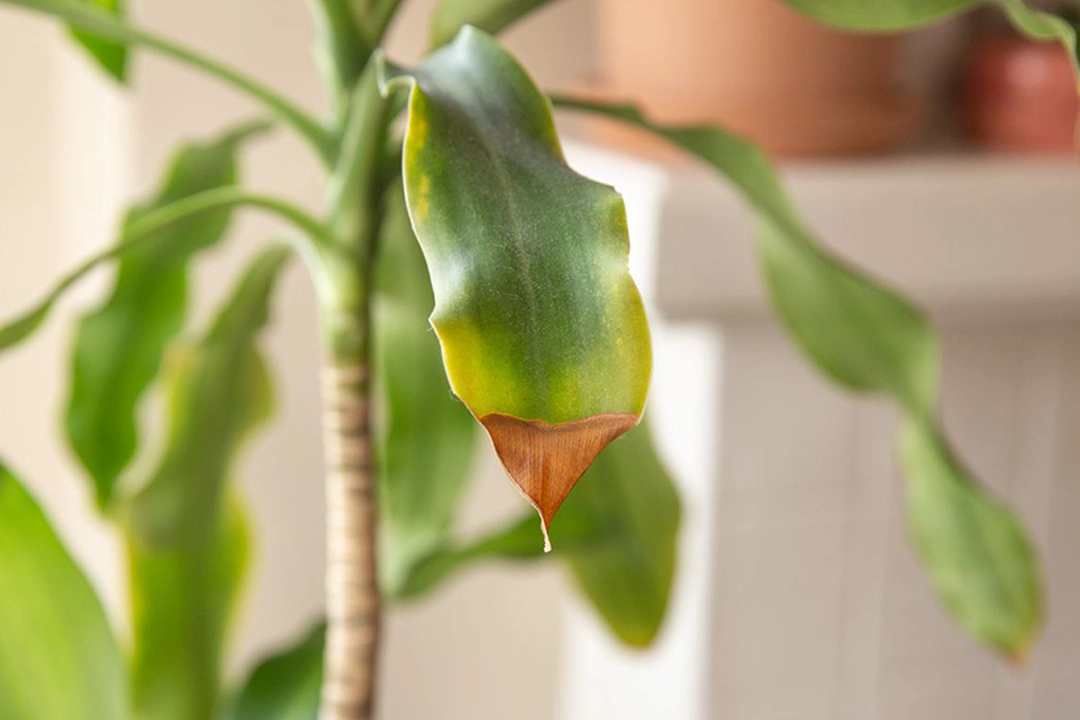
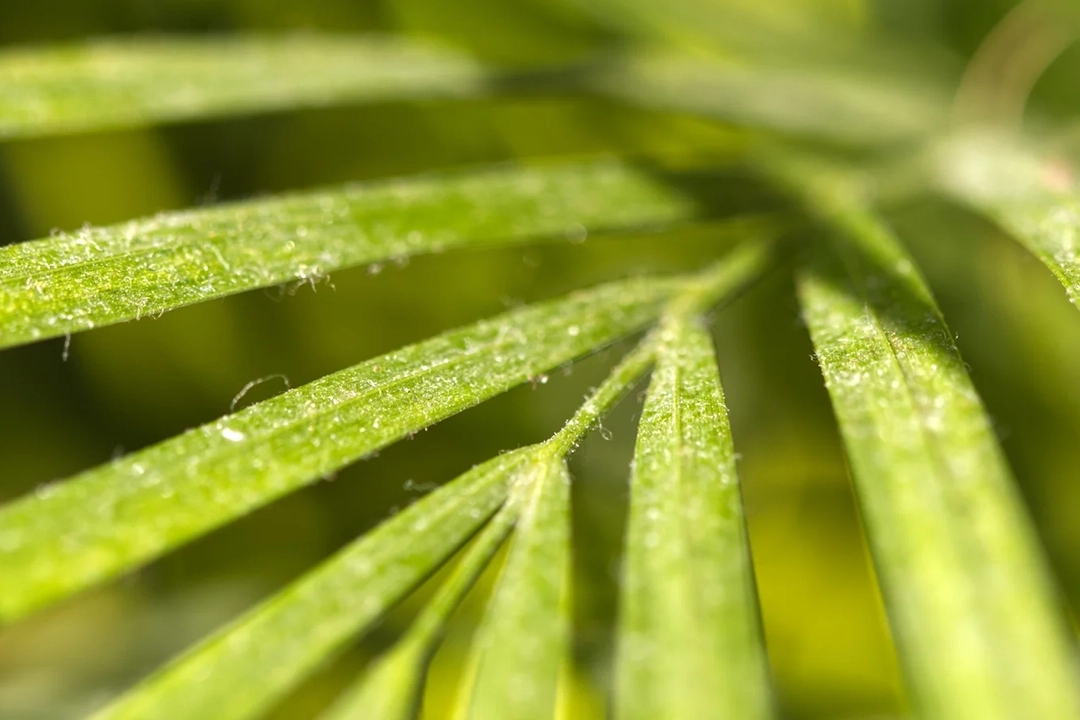 Trim tips if you want: Use clean scissors to snip off the crispy bits—just don’t cut into the green part of the leaf.
Crispy tips may not look perfect, but they don’t mean you’re a bad plant parent. In fact, they’re often just part of the plant’s life cycle, especially in homes that aren’t tropical greenhouses (which I can safely assume is most of us).
Still unsure if your plant’s crispiness is normal? I can lend my keen horticulturist eye on it. Willow Grow members get a monthly consultation with Plant Doctor for me to help you with any pressing plant questions or concerns. (Bonus: It’s cheaper than a single takeaway coffee a month!). Start a chat with me in Plant Doctor or opt in to Willow Grow if you haven’t already.


