


As the streets turn golden with fallen leaves and daylight fades faster, it’s a clear sign that winter is on its way. But what does that mean for our leafy friends at home?
Winter can be a daunting season for plants and plant parents alike. Plants spend autumn slowing their growth and as the seasons change, so do their needs. Here are sure-fire tips to help keep your plants cosy in the cooler months.
Follow The Light!
Winter brings cooler temperatures because the sun sits lower in the sky, shifting its position throughout autumn. As the days get shorter, you’ll start to notice this change and where the light hits in your space.
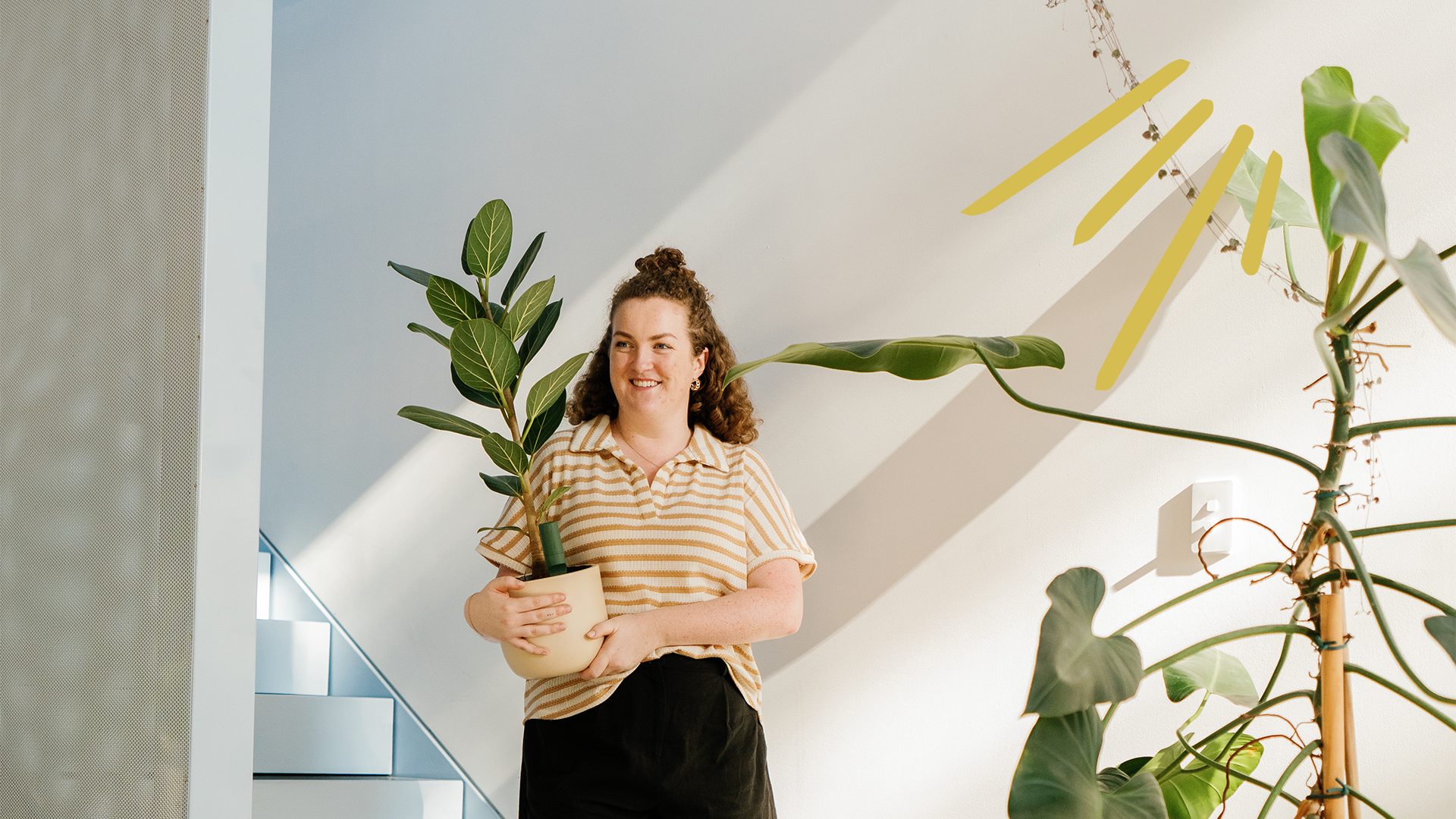
That sunny summer spot your plant loved might suddenly be too dim, and your Willow Sensor might alert you that it needs more light. To keep your plants happy, track the sunlight in your home and move them (and their Sensors) to the brightest spots. Follow the beams and your plant will be better off!
Brocc’s Hot Take: Willow keeps track of your local weather and adjusts its readings to account for cloudy days so we try to be understanding if your light readings are a little lower this time of year.
Rays-ing The Bar With Grow Lights
If you’re getting low light notifications over autumn even after changing your plant’s placement, consider supplementing your plant’s natural sunlight with a grow light. A grow light can help replenish your plant’s sun needs during the autumn and winter seasons when natural light is dimmer and less available with shorter days.
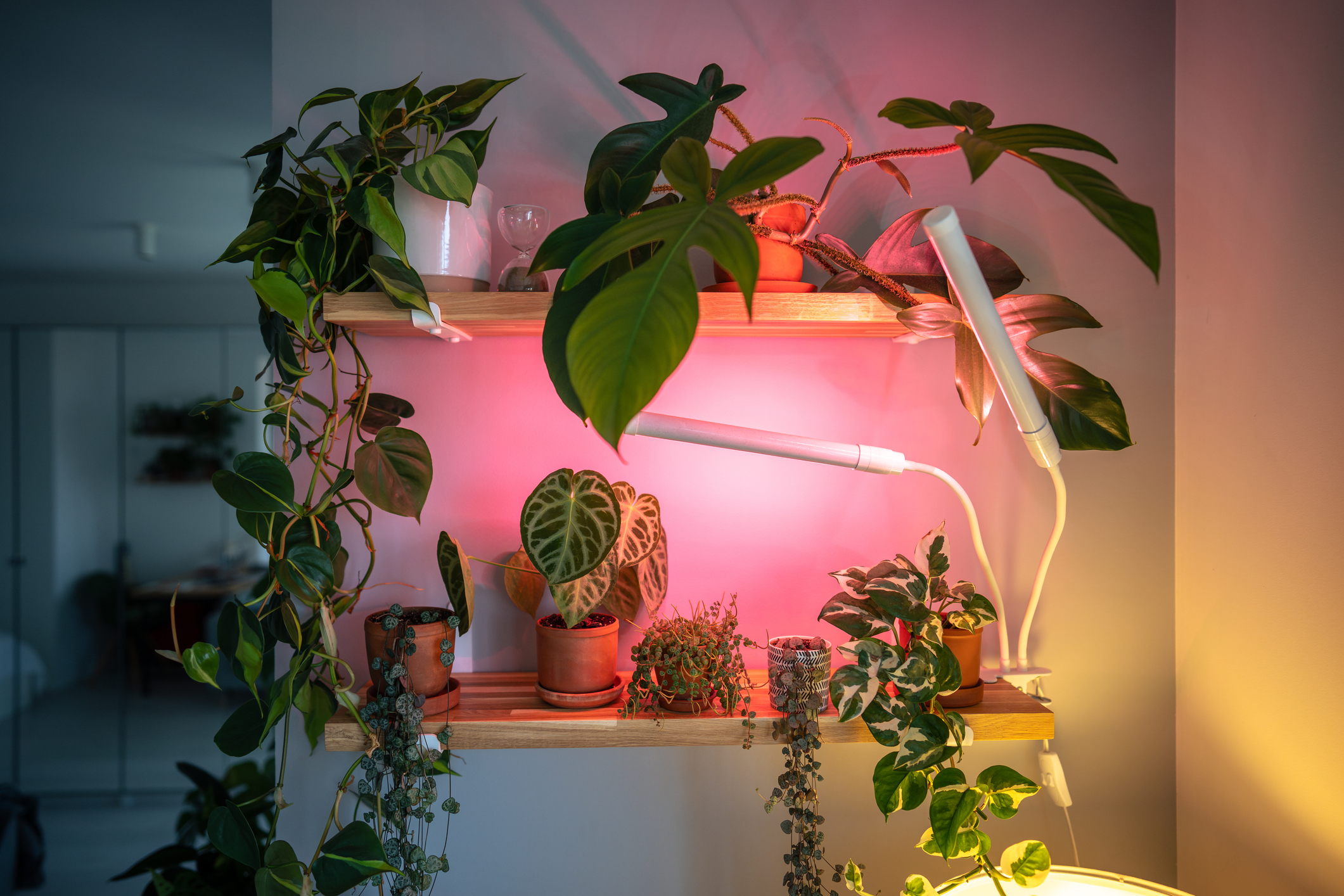
Grow lights are plenty available online or in most plant shops. Anything labelled as “Indoor Plant Grow Lights" or "Supplementary Grow Lights” will do the trick. Secret hack? Fish tank lights are also a great and cost-effective option. Avoid agriculturally oriented products as they replicate the strength of the sun which risks being overpowering for your houseplant.
When setting up the grow light, set the light above or facing the plant, keeping it 30 to 45 cm away from foliage.
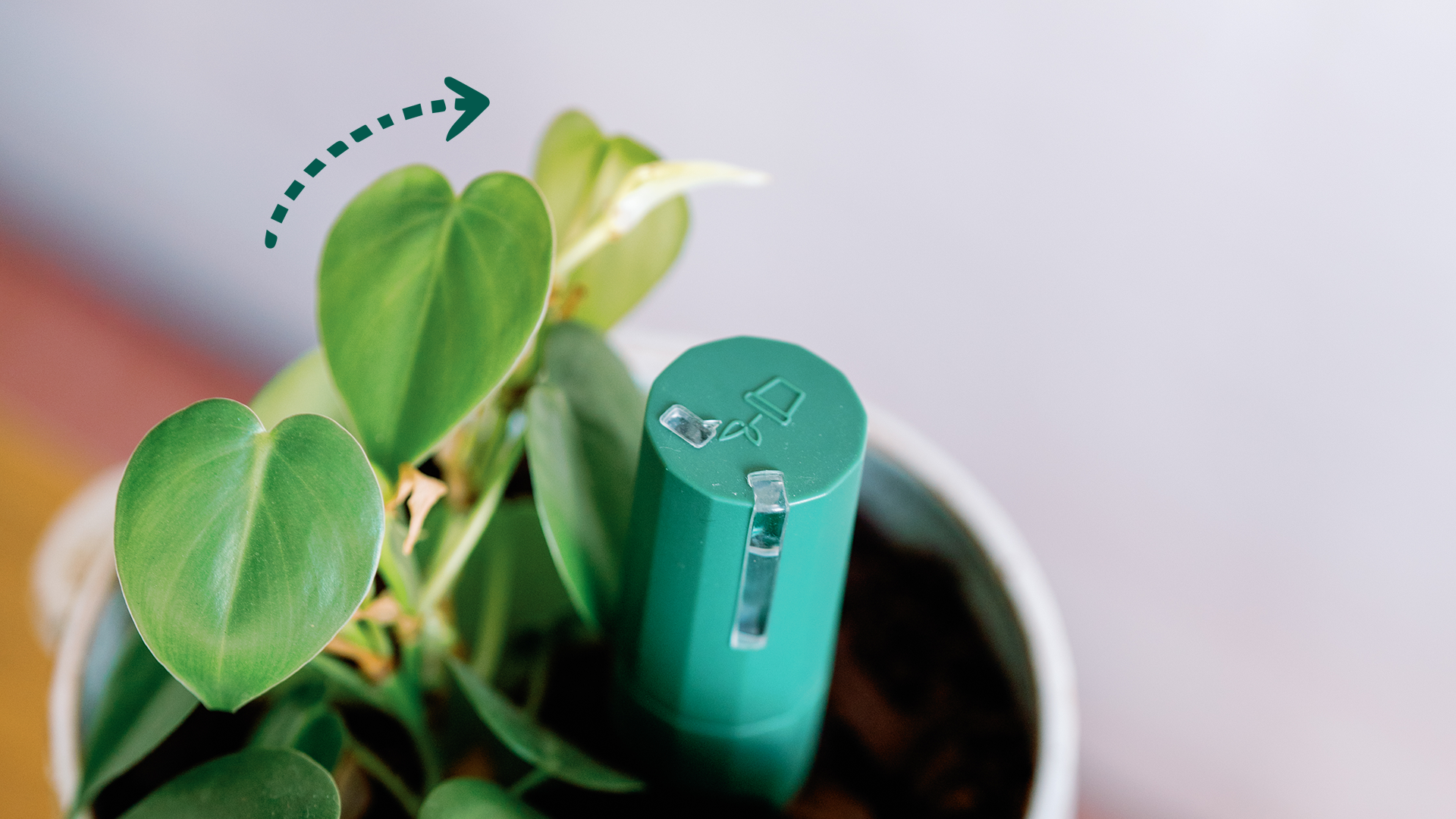
Brocc’s Hot Take: Make sure to angle your Willow Sensor’s light pipe upwards toward the grow light so it can take accurate readings.
Cool It With The Can 💦
As the mercury takes a dive and our heaters start to turn on, you’ll notice Willow will slow the volume of water alerts. These are direct orders from your plants!
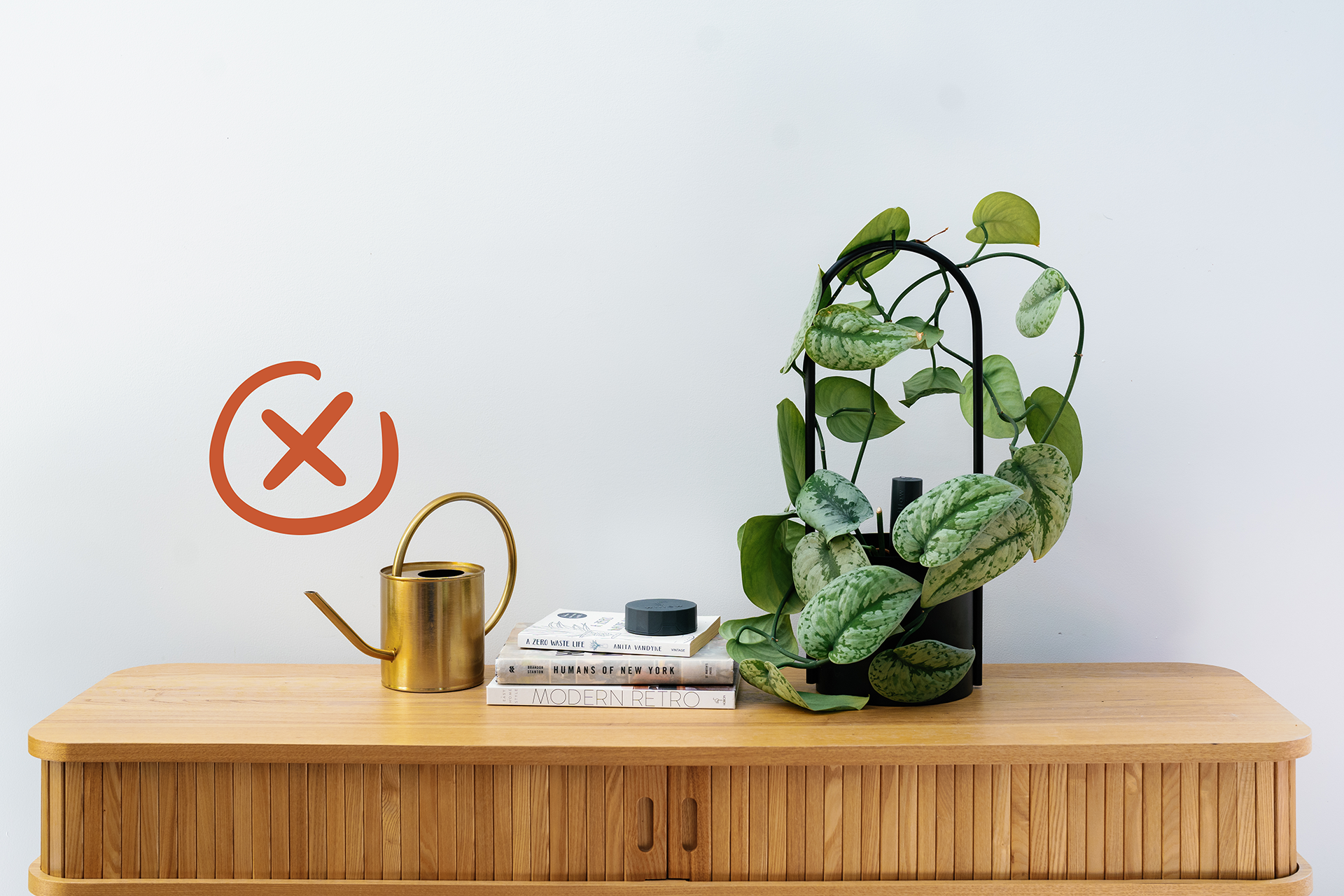
When it cools down, our houseplants' soil takes longer to dry out leading to more time in between watering. It’s important to give your plant some space from the watering can so you don’t risk running into the #1 plant killer: overwatering.
Brocc’s Hot Take: Less water alerts doesn’t mean less water when it’s time for a drink! It’s still recommended to water them thoroughly when Willow does nudge you for a water on behalf of your plant. (As long you've plant pot has drainage holes and good light!)
Lean Into Slower Growth
Plants will slow down their growth during autumn. You might notice leaves falling and a general lack of vigour, especially if you own tropical houseplants. They’re not accustomed to cooler climates – anything below 10°C and they will start to struggle. The good news? There’s no need to worry when your plant’s leaf and root growth starts slowing down—it’s a natural part of their seasonal cycle.
Use the app to track changes and spot patterns! Log new growth, fallen leaves, and seasonal shifts to get a deeper understanding of your plant’s natural rhythm over time.
Brocc’s Hot Take: A few leaves dropping is definitely normal and nothing to be concerned about! If you notice a lot of leaves starting to fall, it could be a sign of something more serious. Willow Grow members have a Plant Doctor consultation included each month – start a chat with me to help figure out what’s going on.


