How to Apply Keiki Paste

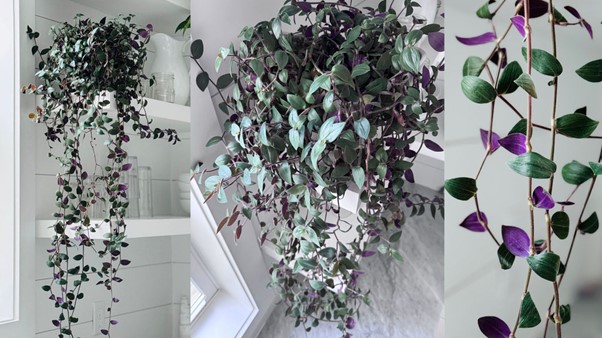
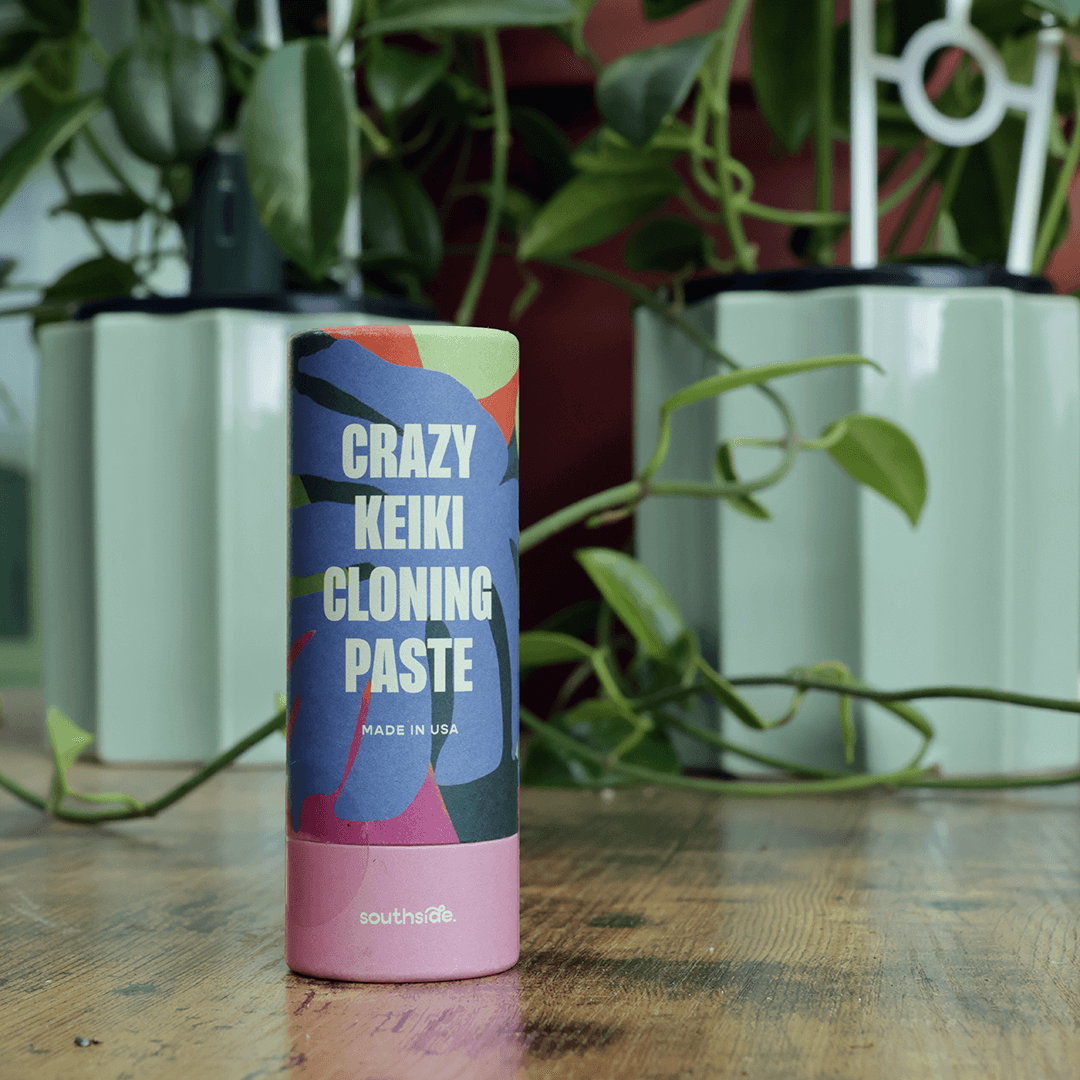
Keiki paste is a seemingly magical slime that uses plant growth hormones to bio-hack a plant’s dormant nodes to grow new shoots. 

Originally designed for orchids, the paste works wonders on just about any plant such as Hoya, Monstera, or Ficus. We do, however, recommend you use it on healthy plants during their growth cycles (Spring/Summer) for the best results.

Applying keiki paste is simple, but have a read through our instructions to avoid commonly missed steps and to set up your plant for the most successful new growth possible.


Steps of this tutorial

1

Assess the health of your plant

2

Identify the nodes

3

Score the node

4

Apply keiki paste

5

Note where you applied the paste

6

Monitor progress and wait!

Step by step tutorial

1. Assess the health of your plant

Assessing your plant's health is the most crucial and overlooked step of using keiki paste. Before applying keiki paste, ensure the plant is healthy, in a growth cycle, and has no visible signs of disease or pests.

A sad, unhealthy plant won't have the vitality and resources to support new growth. If using in winter dormancy, try adding a grow light and/or heat mat, and pay extra attention to the humidity in the dry winter air.

2. Identify the nodes

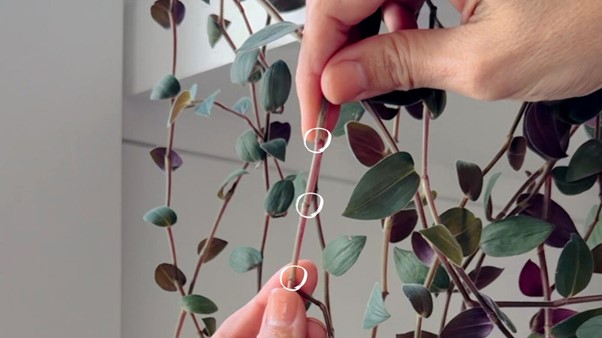
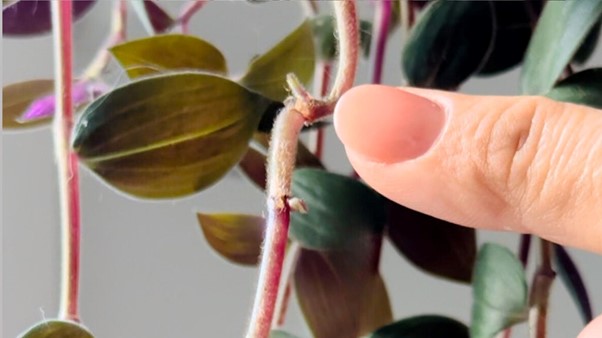
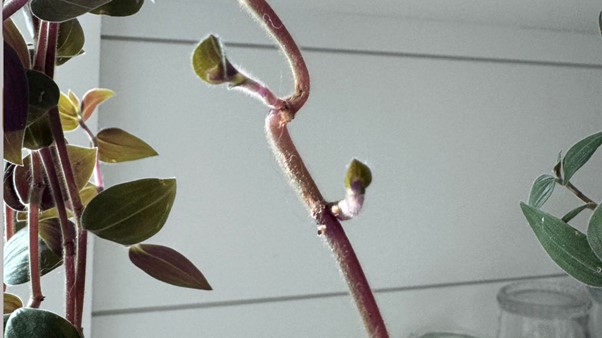
The next step is identifying its nodes. Nodes are the part of the plant where leaves and stems emerge and where you will target your new growth. Depending on the plant, there is usually a thickening or joint in this area.

Choose a bare node without any existing growth. Generally speaking, nodes closer to the soil will have access to more energy for growth, so you may want to focus there.

If you're using keiki paste on orchids, you can apply some paste to the nodes higher up on the flower spike to encourage more blooms and lower down on the leaf nodes to encourage your plant to make a WHOLE NEW BABY ORCHID (aka - a keiki!).

3. Score the node

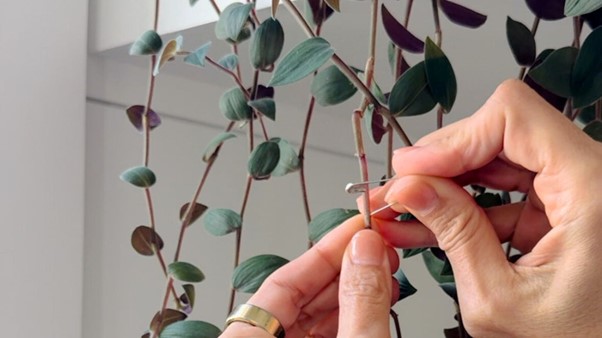
Scoring the node is the other most forgotten step! Scoring involves making a gentle scratch or tiny notch that allows the paste to work deeper and access the cells it needs to interact with to create growth.

Scoring the node is easy but be careful not to damage the plant. If you're dealing with woodier stems, use your pincers or secateurs to make a cut. For plants with very thin stems, like a string of hearts, you can skip the scoring and just add the paste, or you can use a pin to just make a tiny hole.

4. Apply keiki paste

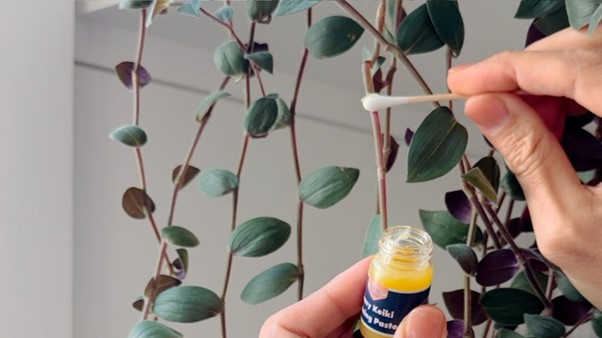
You’re now ready to apply the paste. Use the provided stick or a cotton swab or toothpick to apply a thin layer of keiki paste to the node. One application should be sufficient, and Keiki paste is water resistant, so it won't wash off with gentle care.

Continue to provide your plant with optimal conditions of light, water, humidity, air circulation, and regular fertilisation while waiting for the keiki to emerge.

5. Note where you applied the paste

To track where you applied your node, you may wish to grab your phone and snap a few photos. This is also a great way to record a "before" pic to compare to later growth. Add the photo to your plant gallery or notes section in the Willow app.

6. Monitor progress and wait!

Check the applied node weekly to see if a new keiki growth is forming. Depending on the plant type, health, and growing conditions, it can take anywhere from one to three weeks for a keiki to appear.

Be patient!

Conclusions

Keiki paste for orchids?

Monopodial orchids have a single upright stem from which their leaves and flowers are produced. Many also produce large aerial roots. In monopodial orchids, the nodes are located on the stem of the flower spike.

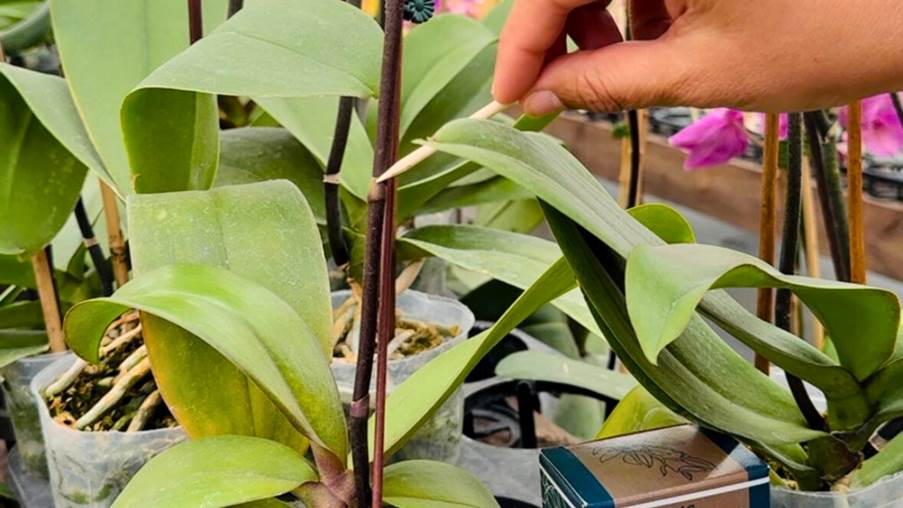
You can follow the same steps above but remember to remove the bract before scoring. The bract is a thin sheath that covers the nodes. This bract should be carefully removed to damage the node. The easiest way to do this is by wedging a toothpick between it and the stem (tweezers also work) until the bract can be easily peeled off.
 

CATEGORY:

Plant Care


How to Propagate: Cacti Cuttings

How To Improve Your Houseplant’s Soil Drainage

×