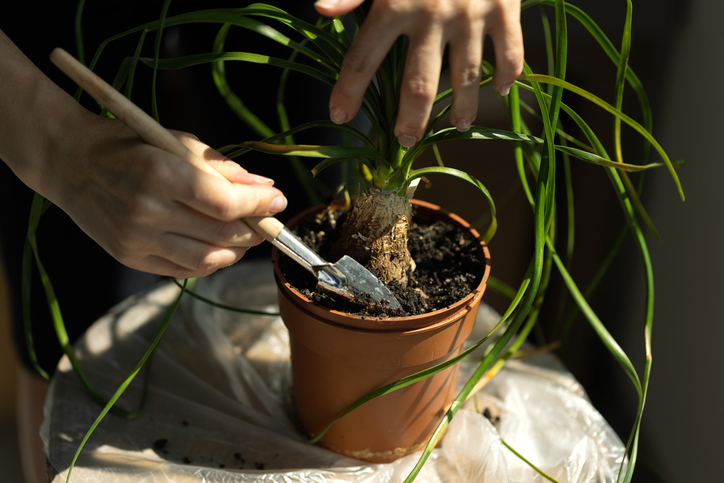


Repotting might seem straightforward, but it can reveal a few unexpected issues, like tangled roots or early signs of rot.
Knowing what to look for (and how to handle it) can make all the difference. Here’s what to keep an eye out for during the repotting process.
Root-bound plants with curling roots
If your plant’s been in the same pot for years, it risks becoming root-bound. This happens when the roots have wrapped around themselves so much that they strangle each other.
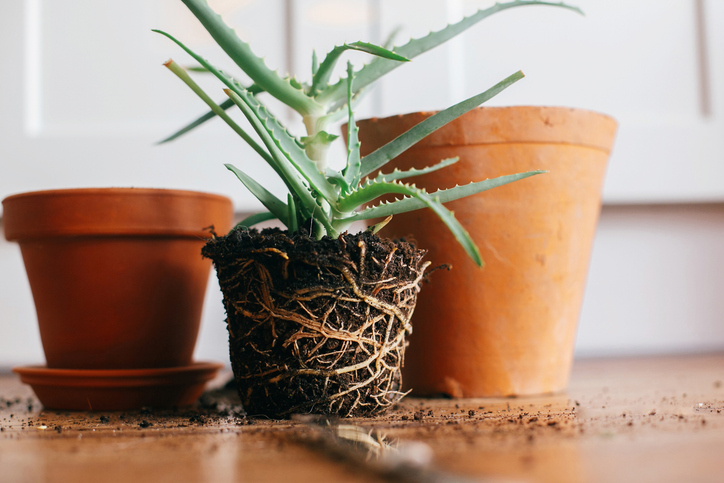
You’ll need to untangle the roots before settling your plant in a new, bigger pot to avoid more issues in the future. If you don’t, roots will continue to grow in the same direction as in the root-bound pot and turn into curled roots; growing into each other more tightly which can eventually become fatal for your plant.
With gardening gloves on, slowly tease the root ball until it loosens up and gently pull the roots apart until they’re all dangling loosely.
This is one of the reasons why it’s important to repot your plant before they become too root-bound as it will save you time and hassle untangling roots in the long run!
Root rot
Look out for rotten roots when you’re repotting to make sure everything is healthy below the soil surface.
Root rot is often caused by insufficient soil drainage. Soil-borne bacteria thrives in water trapped within the soil for too long. Rotting roots are usually black, brown or dark grey, a stark contrast to the creamy yellow-white colours of healthy roots.
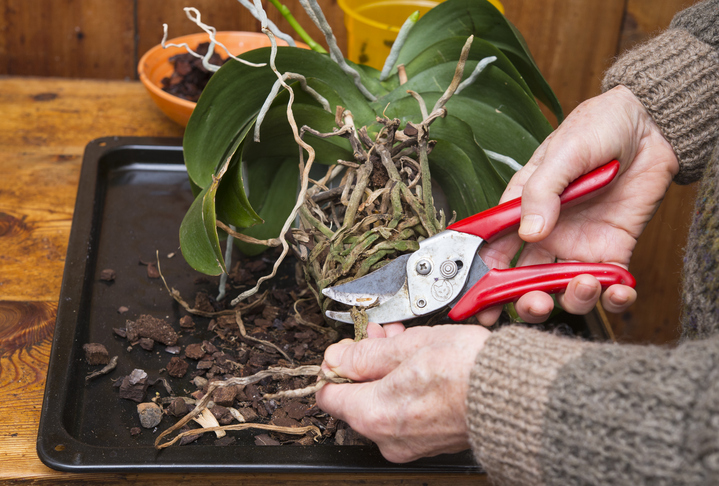
If you see any parts of a root that looks dark and squishy, take a pair of clean snippers and cut the rot right back to where the root is still healthy. Wait an hour for the plant to callous over the wound then you’re free to repot back into soil.
To avoid root rot in future, ensure your pot has a drainage hole and consider using a well-draining coarse soil mix.
Making sure your soils stay similar
Repotting your plants into the same type of soil that they’re already in is super important. All soils drain differently and potting two different soil types together can increase the risk of soil staying too damp or too dry for too long.
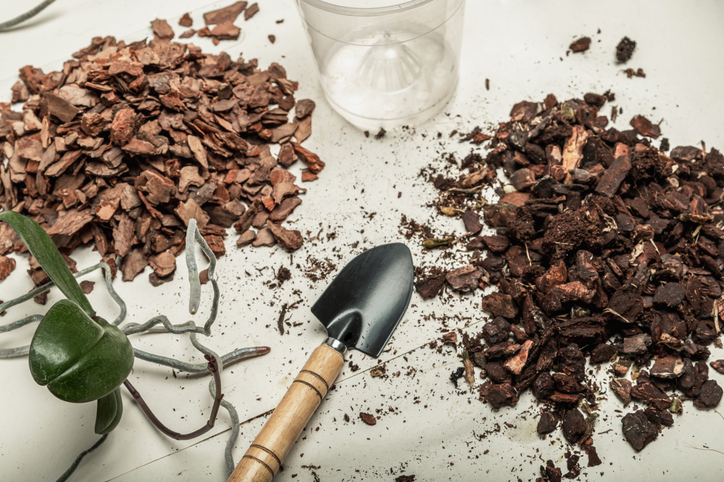
If you leave old soil around the roots, and it doesn’t drain as well as the new soil mix, you could risk having too much moisture around the root ball, while the fresh soil surrounding it is dry. This will often result in you watering your plant before it’s ready and you’ll experience signs of over-watering like yellowing leaves and soggy brown patches forming on your plants foliage.
If you’re upgrading your plant’s soil during repotting to plant it in a mix with better drainage, remove any of the old soil that’s wrapped around the rootball first. Doing this gives it a fresh start and ensures moisture is evenly distributed throughout the entire pot.
What can you do?
Make sure your pots have drainage holes
Your pot must have drainage holes. No exceptions. Even the best-draining soil mix won’t help if excess water has nowhere to go. At a minimum, make sure there’s one decent-sized hole at the bottom of the pot.
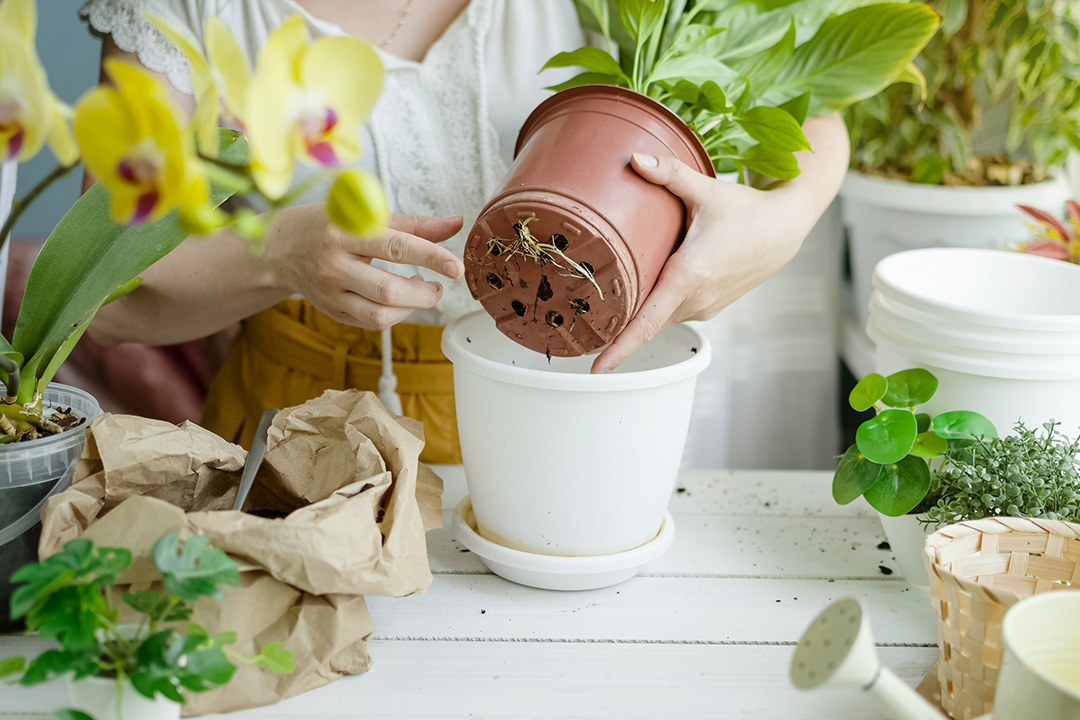
Pop your plant in a plastic nursery pot with drainage holes, then place that inside a decorative pot. After watering, empty any excess water that collects at the bottom so your plant’s not sitting in it.
Brocc's Hot Take: Elevate the nursery pot slightly to allow drainage and create a mini humidifier as the water evaporates.
Is it time for a Large Pot Extension?
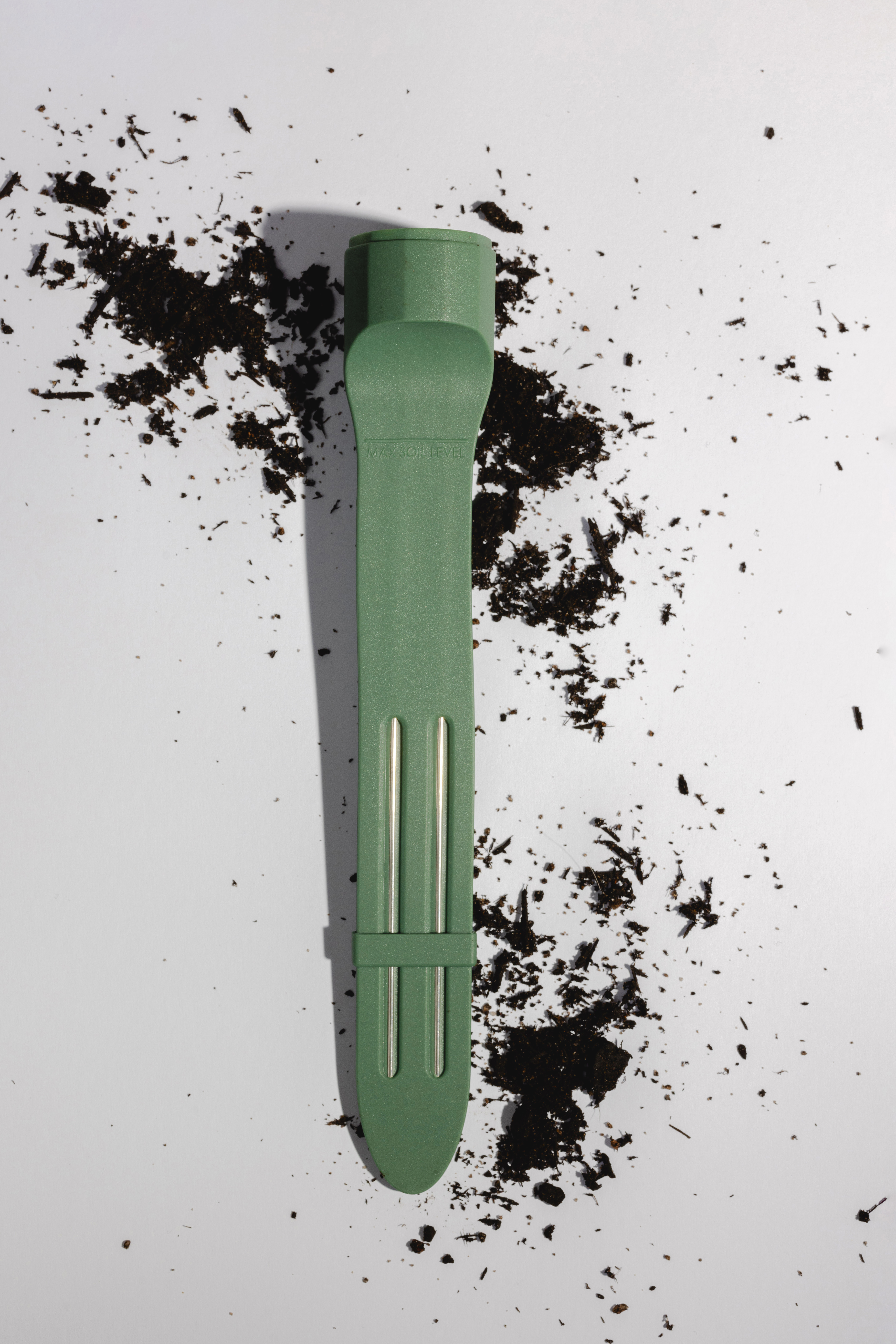
If your pot is deeper than 20cm, you’ll need a Large Pot Extension to help your Willow Sensor reach deeper and wider for accurate soil moisture readings.