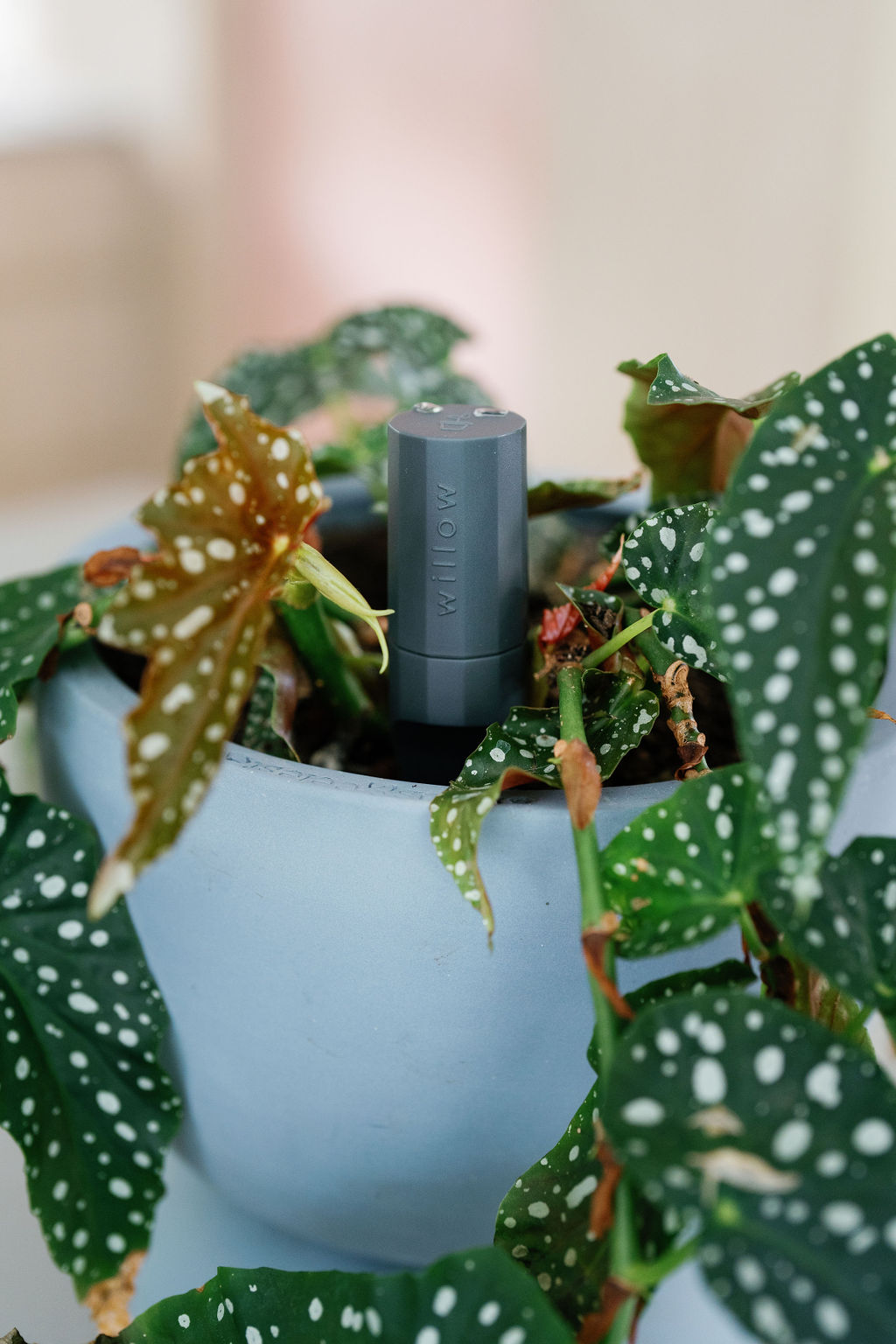


We founded Willow to address the love-hate relationship many budding plant parents have with their plants – it’s a rewarding but often challenging experience.
One of, if not the, most common cause for a plant’s demise? Yep, you guessed it – overwatering. Boy, do we love to show our plants some love with the watering can.
Look for the signs
If your plant is overwatered, you'll start to notice:
- Wilting despite well-hydrated soil: If your plant is looking droopy even after a good watering session, its likely a case of overhydration. Overly soggy soil for too long a period suffocates your plant’s roots, depriving it of much needed oxygen.
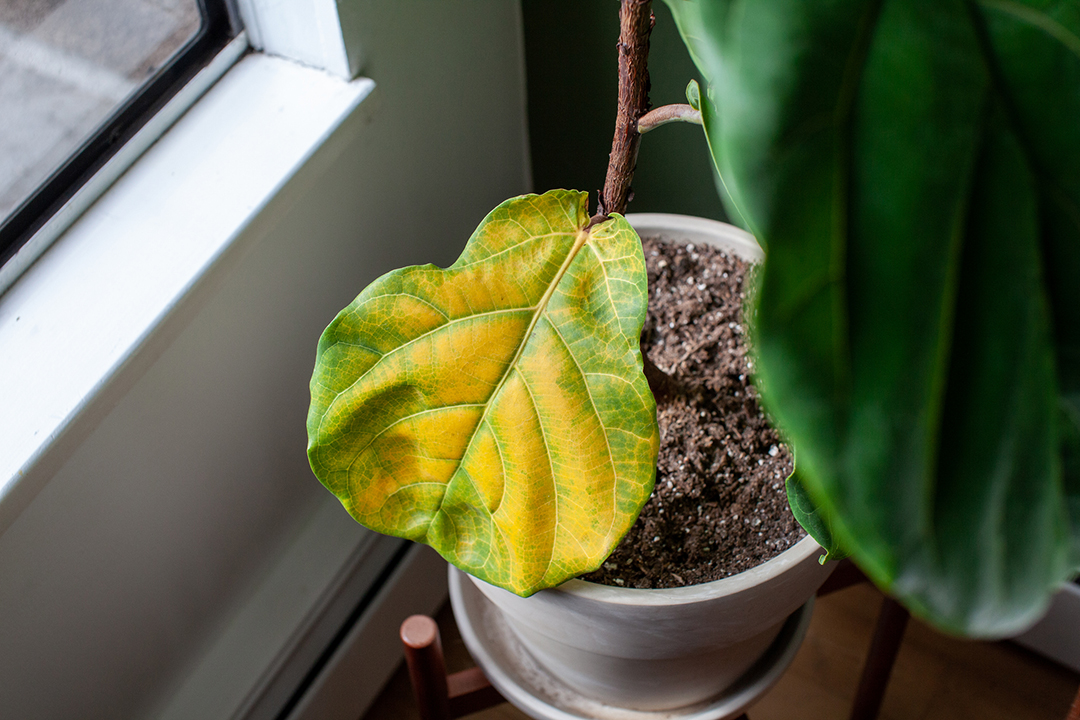
- Yellowing leaves: This can be a tricky one as you may mistake the yellowing of leaves for a lack of light or moisture or simply that the older leaves are dying (senescence). Again, overly saturated soil prevents the roots from absorbing essential nutrients and the leaves die off.
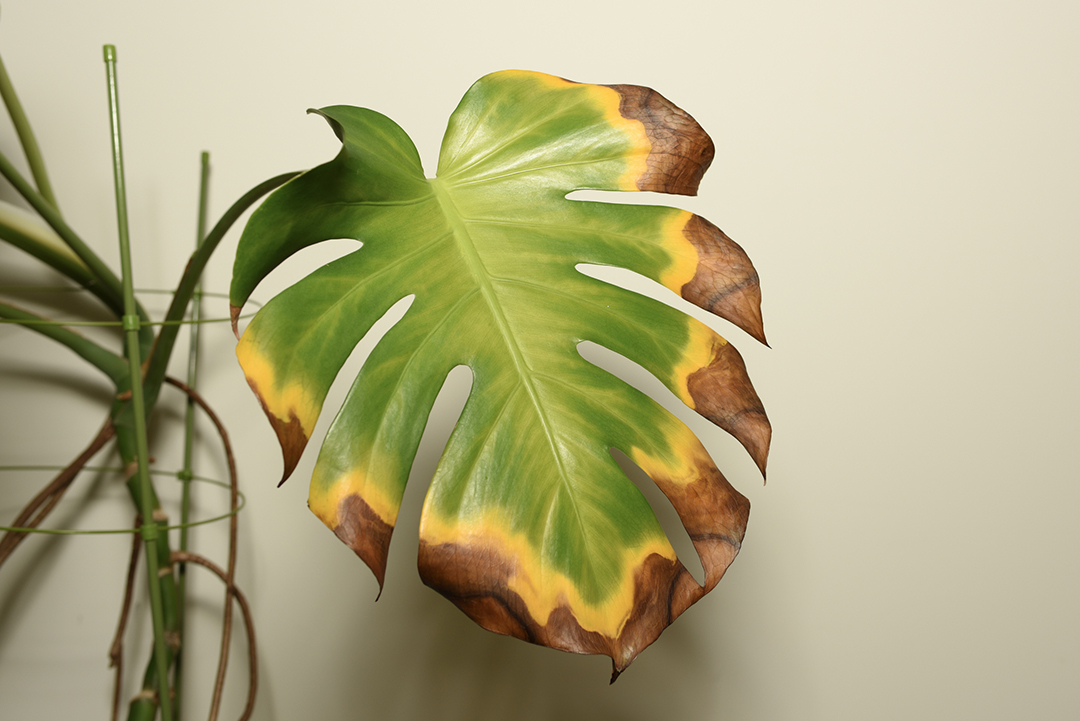
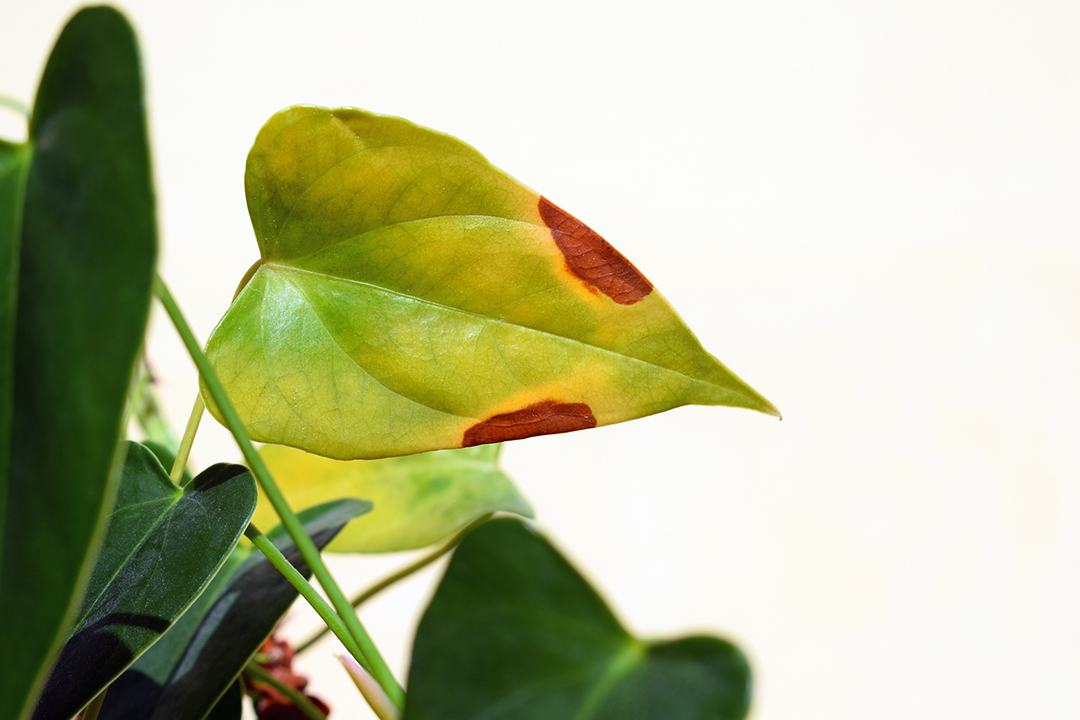
- Brown and yellow spotting: Perhaps the clearest sign of overwatering is your leaves developing brown spots or leaf-edge encircled by yellow. This is a result of a bacterial infection.
- Moulds and fungus: Plants living in a damp environment (wet soil and minimal air flow) for too long invite pesky diseases and pests. Keep an eye out for powdery mildew and leaf discolouration.
SOS! What do I do if I have overwatered?
If your plant is suffering from any of the telltale signs listed, the time to act is now. Your plant will continue to struggle if you don’t.
- Judge the severity: Has your plant started to see leaf damage, or worse has overwatering led to root rot? Very gently lift your plant from its pot and inspect the roots. If the root system is firm and white, you’re ok. If mushy and dark, it’s bad news and you need to take preventative cuttings and a repot.
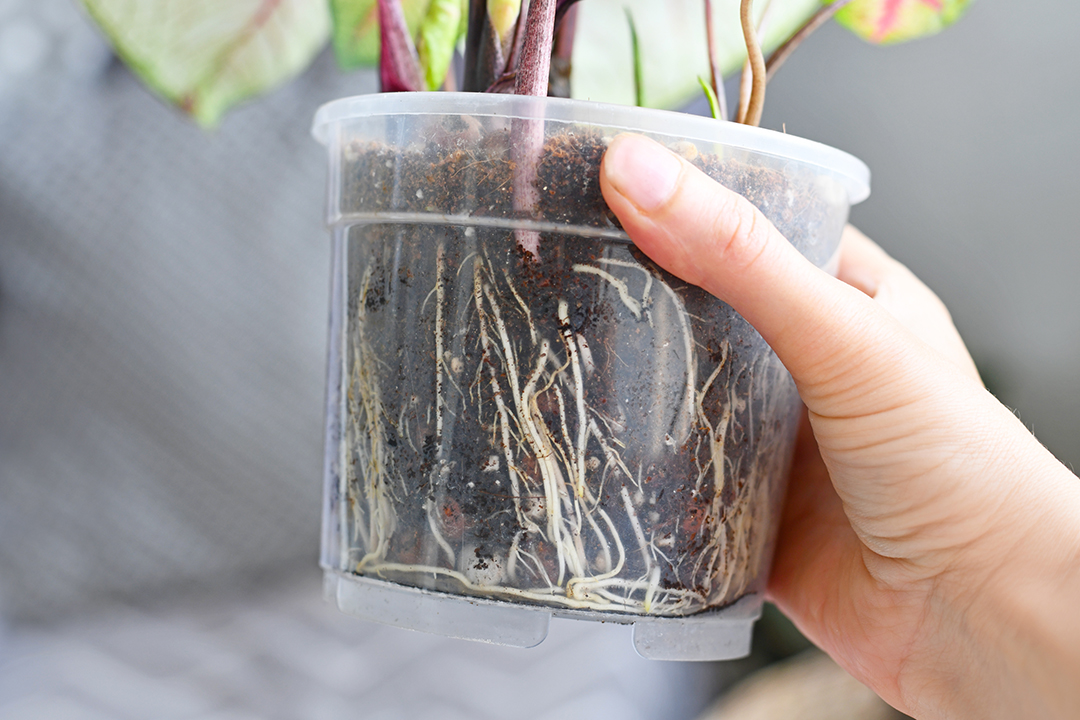
- Repot in dry soil: If the plant soil is still considerably wet, take the pant and its root ball and pot them in a fresh dry potting mix.
- Put the watering can down: Give your plant a break from any watering and let the soil completely dry out.
- Wait and see: It’s important you position your plant somewhere in your home that doesn’t encounter direct sunlight and is well-ventilated. You also need to be patient, as it will take time to recover from the stresses. Check for new growth.
Steps to prevent ever overwatering
To keep your plants happy and healthy, and to avoid overwatering:
- Get to know your plant: Different plants have differing water needs. Make sure to have read the care information for your plant and checked out our watering guide to nail your watering technique.
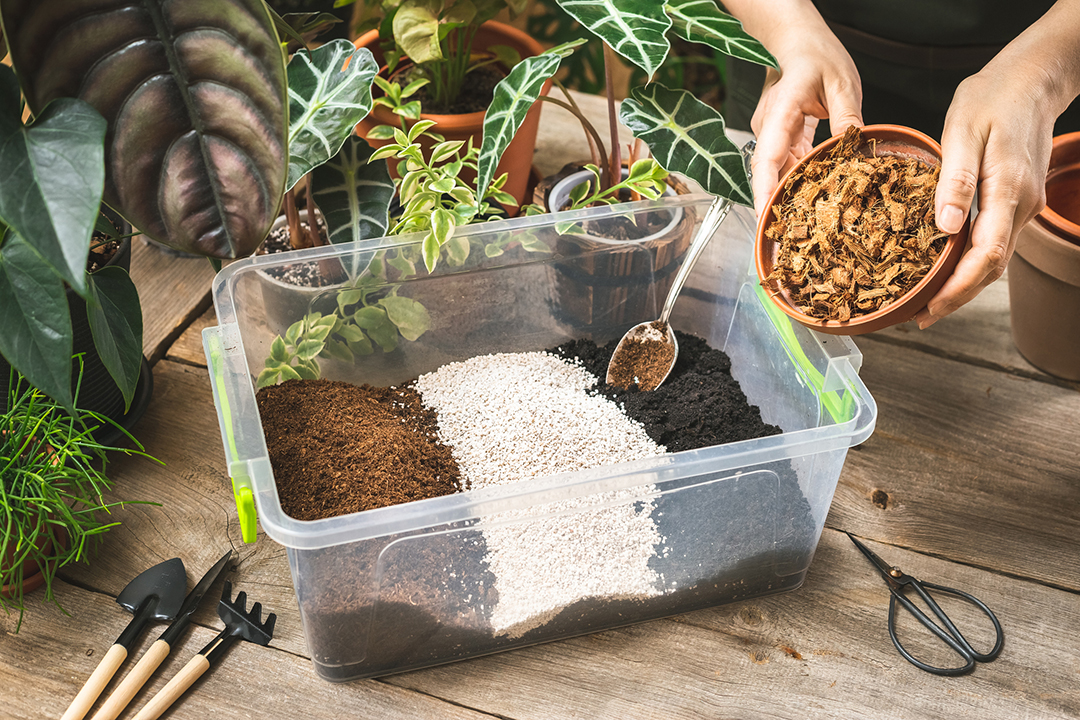
- Drainage is key: Pot your plants in a well-draining potting mix suitable for your plant’s needs in a vessel that has drainage holes. This allows for any excess water to escape, preventing soggy soil. Check out our tips on improving soil drainage.
- Bin the schedule: It’s best practice to not ever follow a strict watering schedule. Instead, water your plants only when they need it. Investing in a Willow Sensor is a sure way to stay on top of things, with timely notifications for every watering session.