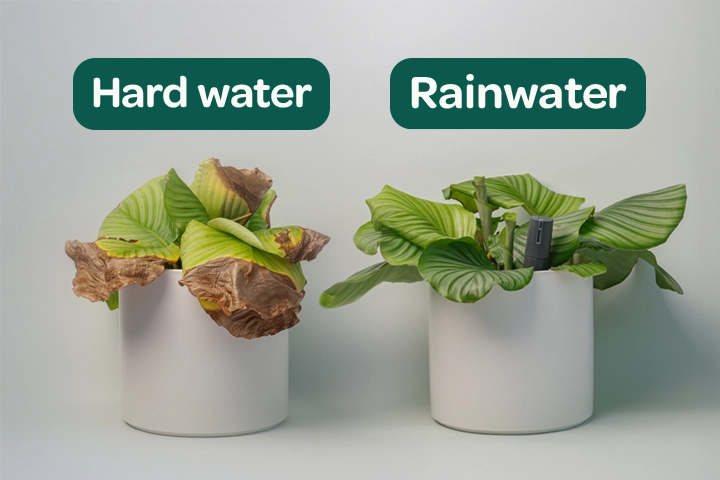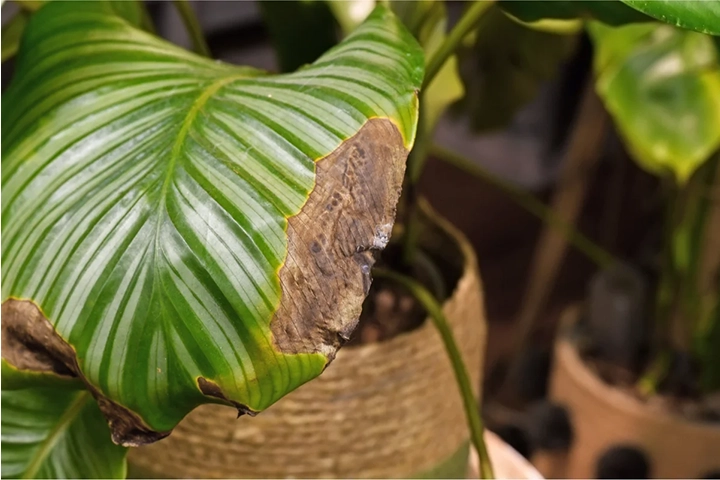


Your plants could be thriving in the perfect light exposure, ideal potting mix, and well-timed watering schedule, yet still look a bit off. The surprising culprit might be coming straight from the tap.
Chlorine, the sneaky plant stressor
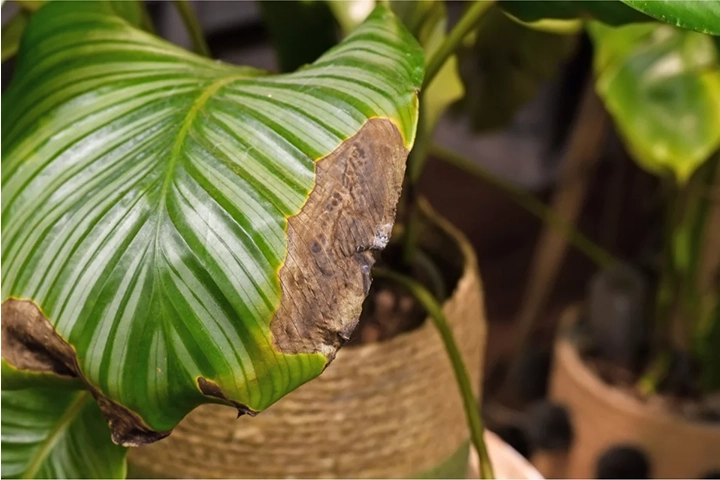
A little chlorine exposure for plants? Helpful. A lot? Harmful.
Plants actually use small amounts of chlorine as a micronutrient; it plays a small role in photosynthesis and disease resistance. However, when water contains chlorine in higher doses, it’s corrosive to plants, drying out roots and damaging cells much like salt does.
Hard water vs soft water
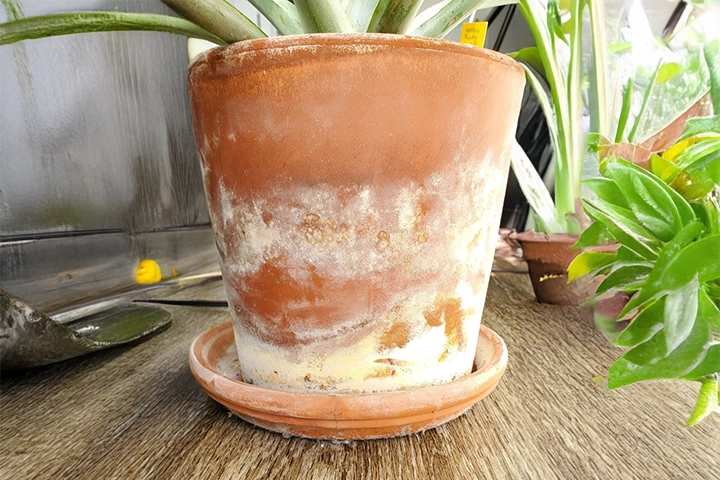
Water hardness varies wildly depending on where you are. Some regions have “hard” water packed with minerals like calcium and magnesium, others are softer but heavily treated. If you spot white crust on the soil or pot rims, that’s mineral residue accumulating.
Most houseplants can handle varying degrees of hardness in tap water, but many rainforest divas tend to sulk when there’s too much mineral buildup.
- Calatheas & Prayer Plants: Beautiful leaves mean diva-level demands. Filtered or rainwater only for these plants, please.
- Ferns: They thrive on gentle moisture and dislike harsh, treated water.
- Orchids: Light roots prefer soft, mineral-free water to keep breathing easily.
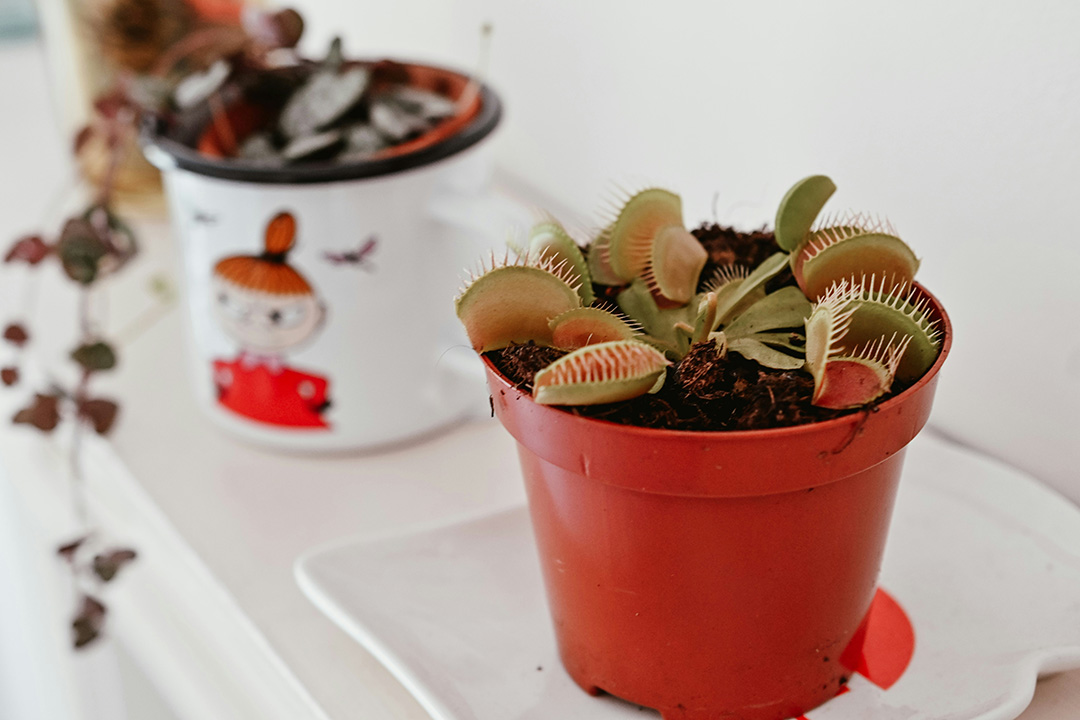
- Carnivorous Plants: These plants are absolute purists when it comes to their water:no minerals, no additives. For them, it’s rain or distilled water, or bust.
When tap water is the culprit
Ruled out light, pests, humidity, and fertiliser? If your plant still looks dull, grows slowly, or crispy around the edges, your tap water could be quietly causing trouble.
Sensitive plants often react subtly with symptoms like leaf curl, tip browning, or that “can’t-quite-thrive” look that drives plant parents mad.
How to make tap water play nice
- Let it breathe: Leave tap water out overnight so chlorine can evaporate. Simple but surprisingly effective!
- Filter it: A standard drinking-water filter jug can make a world of difference for sensitive species.
- Catch the rain: Rainwater is the gold standard for most tropical plants. Just be sure your collection setup is clean and legal in your area.
- Test, don’t guess: Inexpensive pH or hardness kits reveal what’s really in your water and help you adjust your care accordingly.