How To Revive A Plant

If you’ve found your way to this tutorial, chances are you have a dying plant on your hands. But fret not, we’re here to say appearances can be deceiving and all may not be lost. Firstly, it’s important to not be too hard on yourself, even if it’s a so called ‘easy-care’ plant, it happens to the best of us!   

Next, we need to determine how much your plant’s health has deteriorated and diagnose the problem at hand. If your plant has seen better days, it’s likely experiencing an imbalance of one or more of sunlight, water or nutrition or it’s dealing with sudden changes to their longstanding environment or bugs and pests. If we’ve caught it early enough, with the following steps you may be able to revive your precious plant instead of tossing it.  

First things first, an inspection of your plant to confirm if it’s a goner or if there are signs of life. Any green on your plant stem(s) is an indicator we have a fighting chance. If there’s green left on the plant, it’s time to check the root system. Healthy roots should appear plump, firm and a pale white to tan colour. If they have become dark, mushy and lost to rot, we’re afraid there’s no coming back. Should there be signs of life, the next step is to figure out where it all went wrong.
Steps of this tutorial

1

Check if you have under- or over-watered

2

Check the lighting conditions of your plant

3

Check the humidity conditions of your plant

4

Give your plant a makeover (cutback)

5

Provide nutrients

Step by step tutorial

1. Check if you have under- or over-watered

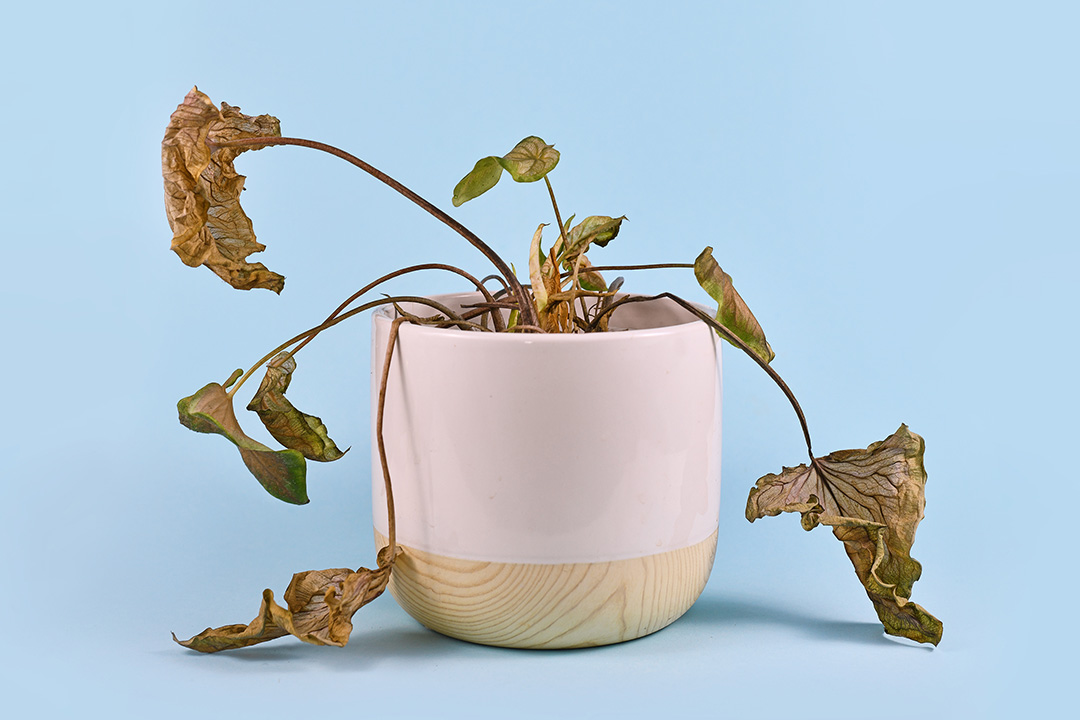
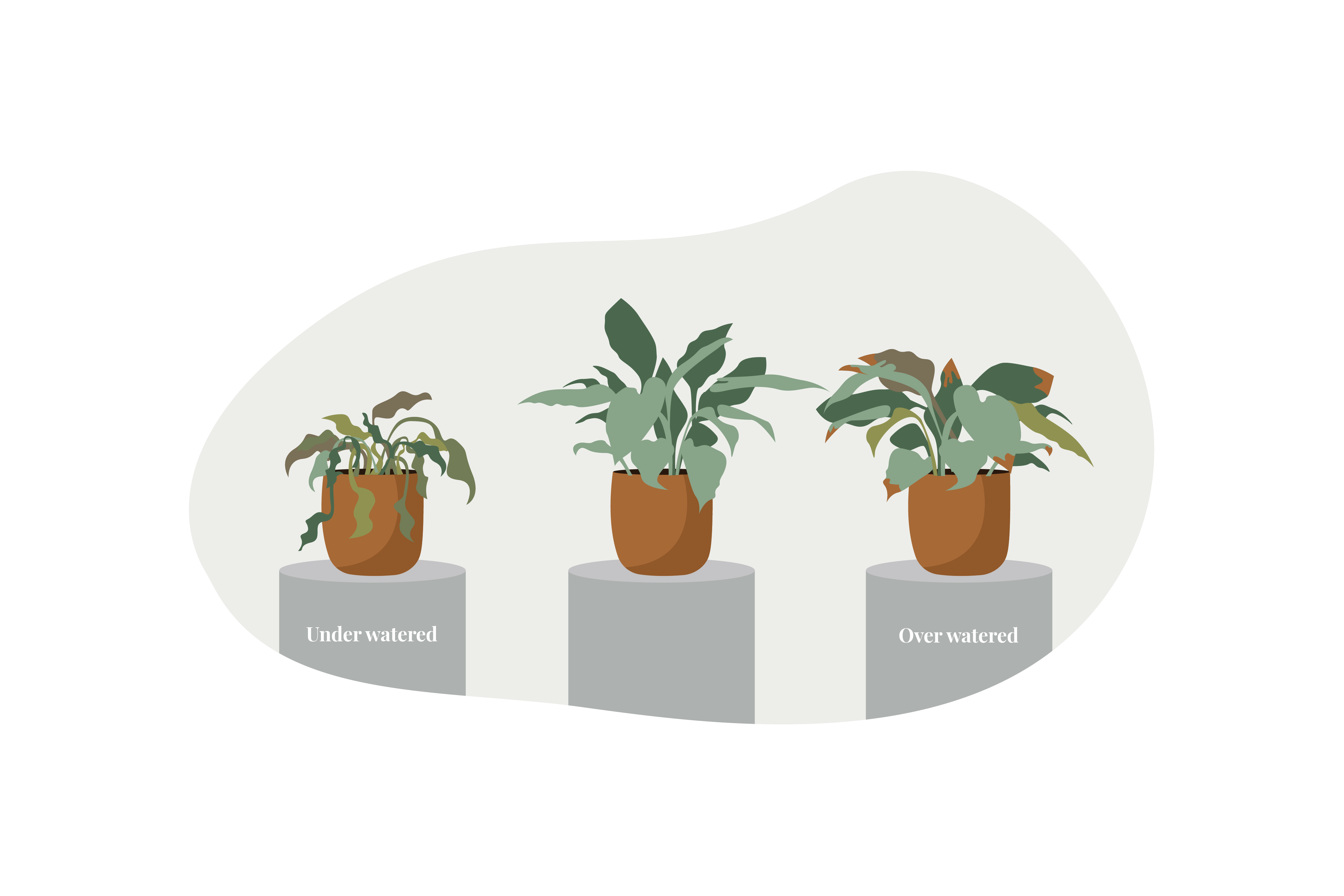
Like all living things, plants need water to survive and thrive. But it’s a balancing act - too little or too much and your plant will suffer. Overwatering is in fact one of the more common problems and is the deadlier of the two. Overwatered plants will present itself with yellow or browning wilted leaves with soggy moist soil. Excessive moisture will start to rot the roots and can attract plant-disease carrying bacteria and fungi. At best, you’ll want to change the soil and repot or at the least move it out of direct sun and stop watering until the soil dries out. A thirsty plant will begin to wilt, and the leaves will dry, and tips turn brown. A severely underwatered plant’s soil will be cracked and have pulled away from the edges of its pot. In this case, you will need to poke a few aeration holes in the soil and thoroughly soak your plant to ensure the roots receive a drink.

2. Check the lighting conditions of your plant

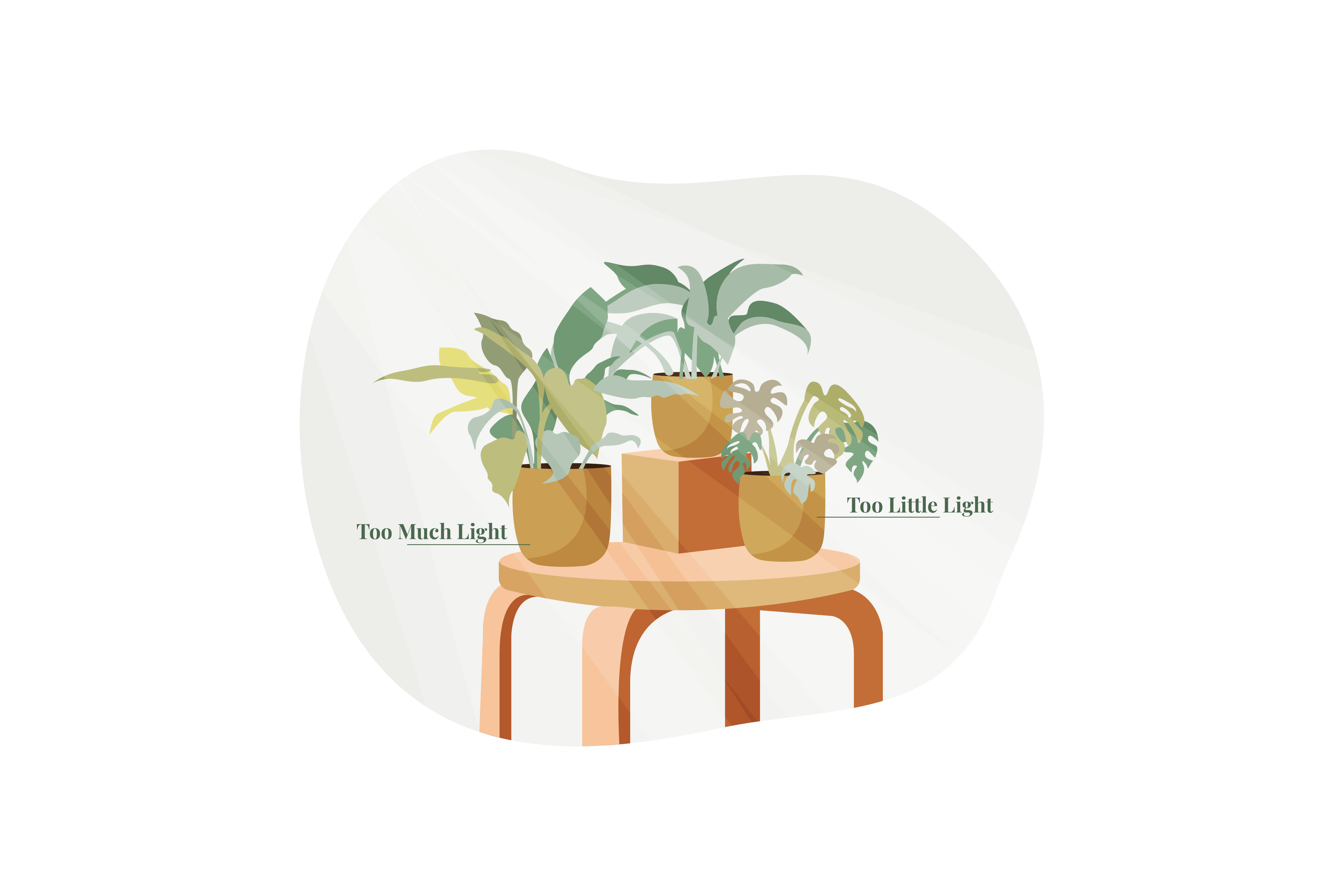
Plants require sunlight to undergo photosynthesis. However, just how much sunlight plants require can greatly differ. A plant that requires a lot of light will experience stunted leggy growth, lose the vibrancy or variegation of its leaves, or worse drop leaves and die, if it’s placed in low light conditions for too long. On the other hand, if a plant appreciates lower light conditions, it will shrivel and burn if placed in intense light conditions. You can check what conditions your plant appreciates within our plant care guides, or better yet, our willow sensors can monitor your light levels and let you know if its well positioned.

3. Check the humidity conditions of your plant

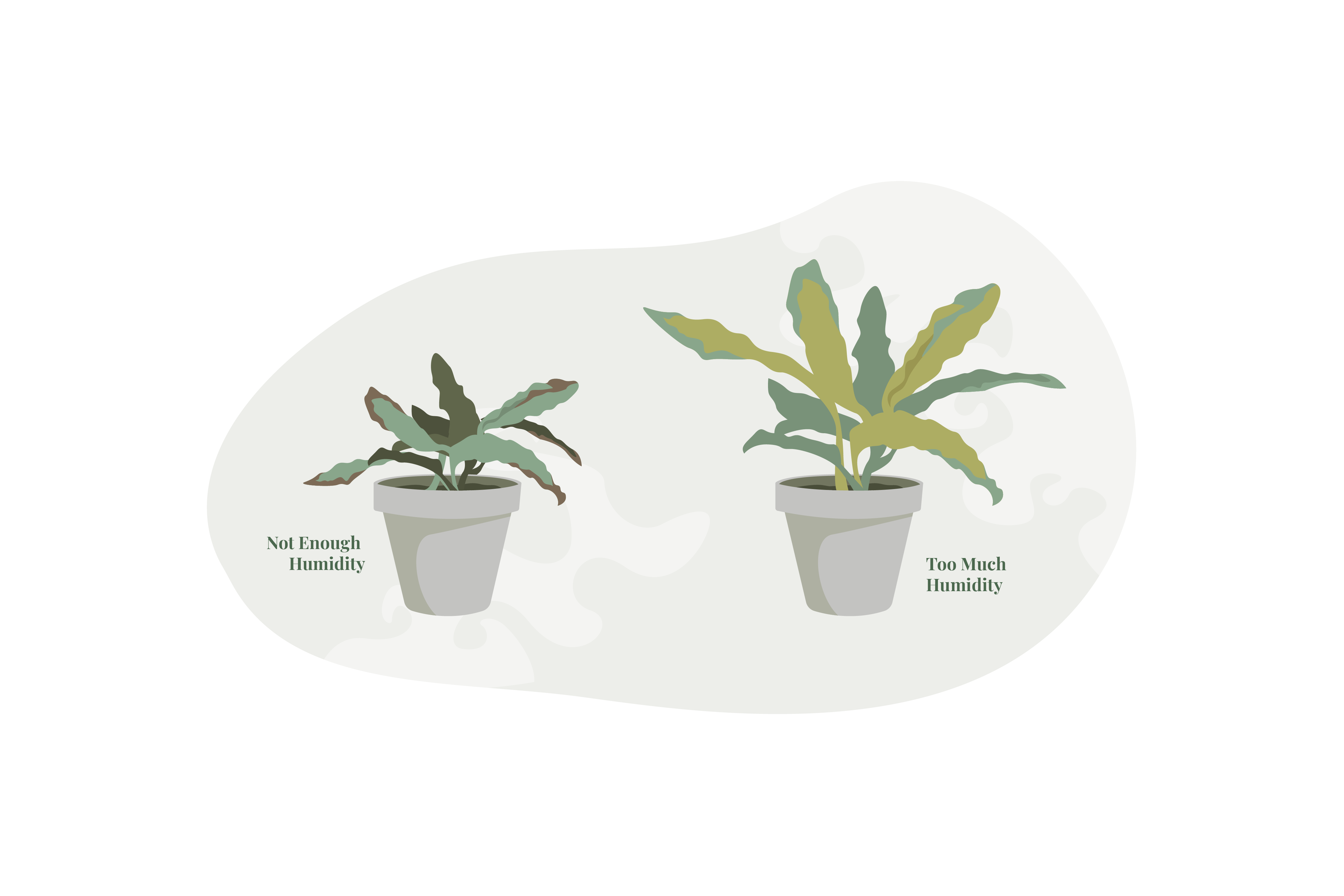
If your plant once had big showy tropical foliage and now looks worse for wear, your plant could quite literally be dying to get back to its natural conditions. If you’ve witnessed your leaves shriveling, browning and wilting, your plant is begging for higher humidity. You can try misting your plant regularly, grouping it with other tropical natives to create a micro-environment, placing your plant on a tray of pebbles and water or making use of a humidifier. On the flip side, if there’s too much humidity your plant can develop mold, fungal infections and yellowing of its leaves. This is typically the case for your thicker waxier leafed friends that prefer dryer air.

4. Give your plant a makeover (cutback)

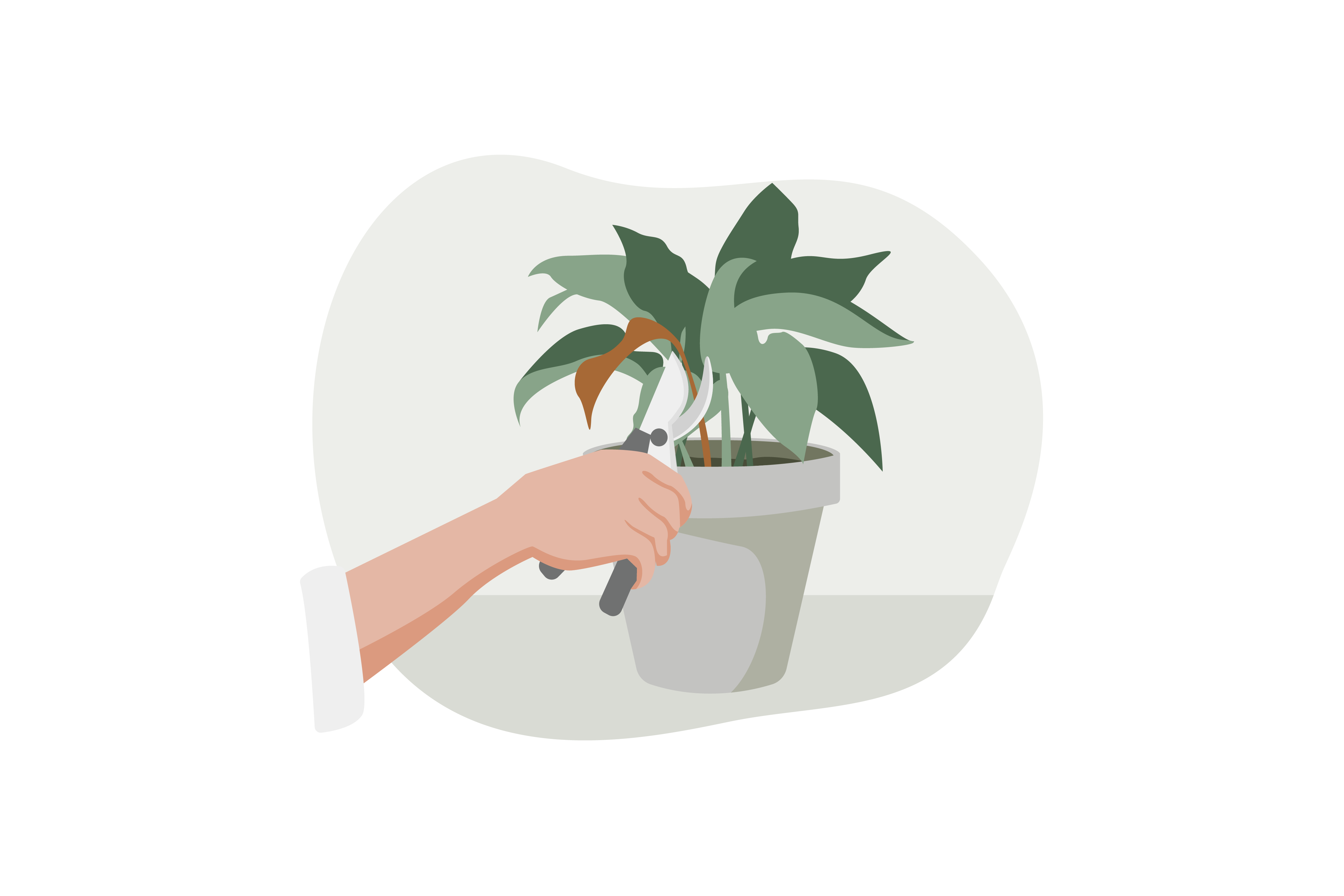
Back to reviving your plant. Green is good. Anything else needs to go. To that end, we want you to be ruthless and remove any dead or damaged leaves and stems. If they’re completely brown, they’re not coming back, and we want to preserve your plant’s energy for the good things like new growth. Dead leaves can likely be easily removed by pinching at the stem but if not use a pair of shears/scissors. If taking back the stems, please try to leave a few centimeters above the soil. This is also a good time for a repot with fresh soil full of nutrients.

5. Provide nutrients

Over time your soil will gradually lose the nutrients your plant so desires (read: water & sun alone are not enough) and so it’s recommended you repot your plant every couple of years. A malnourished plant will often have weak flimsy stems and some discoloration of the leaves. To have your plants flourishing it’s recommended you apply fertilizer regularly throughout the growing season. To revive a dying plant, fresh soil and perhaps a small amount of compost should be sufficient as your plant is already in a state of shock, so we want to limit the number of sudden changes. You may have also damaged the root sin the process which won’t appreciate the fertiliser.

Conclusions

A well-manicured plant in a fresh pot of soil with a good care routine (and a little luck) and your plant will be back on its own feet. A word of warning, this can take time! Best not to expect a complete turnaround straight away but rather be thinking in terms of weeks or up to a month. Stick with your new care routine and be patient.  

CATEGORY:

Plant Care


What Are Nodes?

×