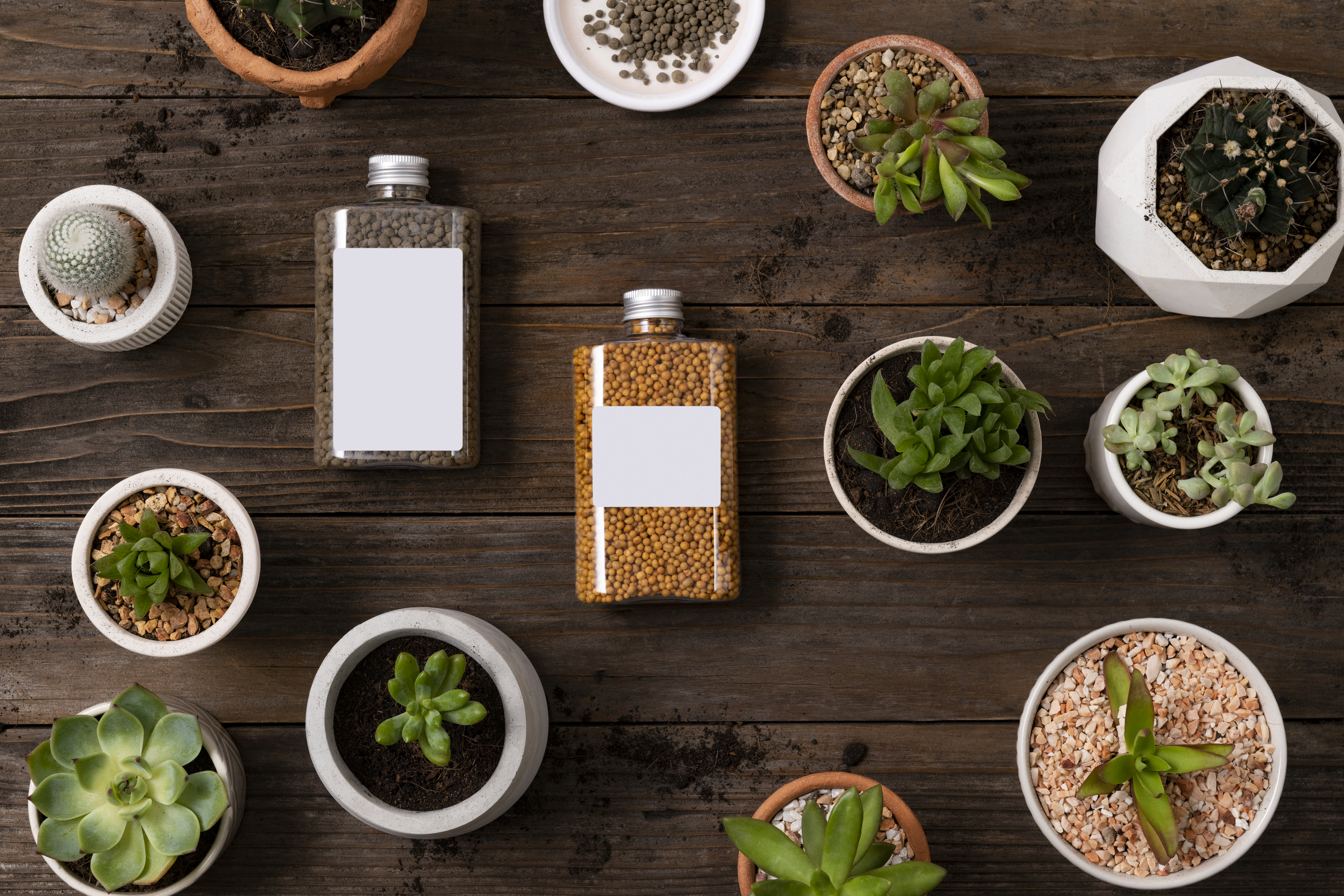


Understanding Species and Their Fertiliser needs
Have you ever wondered why different plants require different types of fertilisers? It turns out that plants have varying nutrient requirements based on their natural habitats, growth rates, and developmental stages. In this article, we'll explore the general context of plant fertilisers, break down the fertiliser requirements of different plant species, and offer tips on how to manage soil acidity.
General context of plant fertilisers
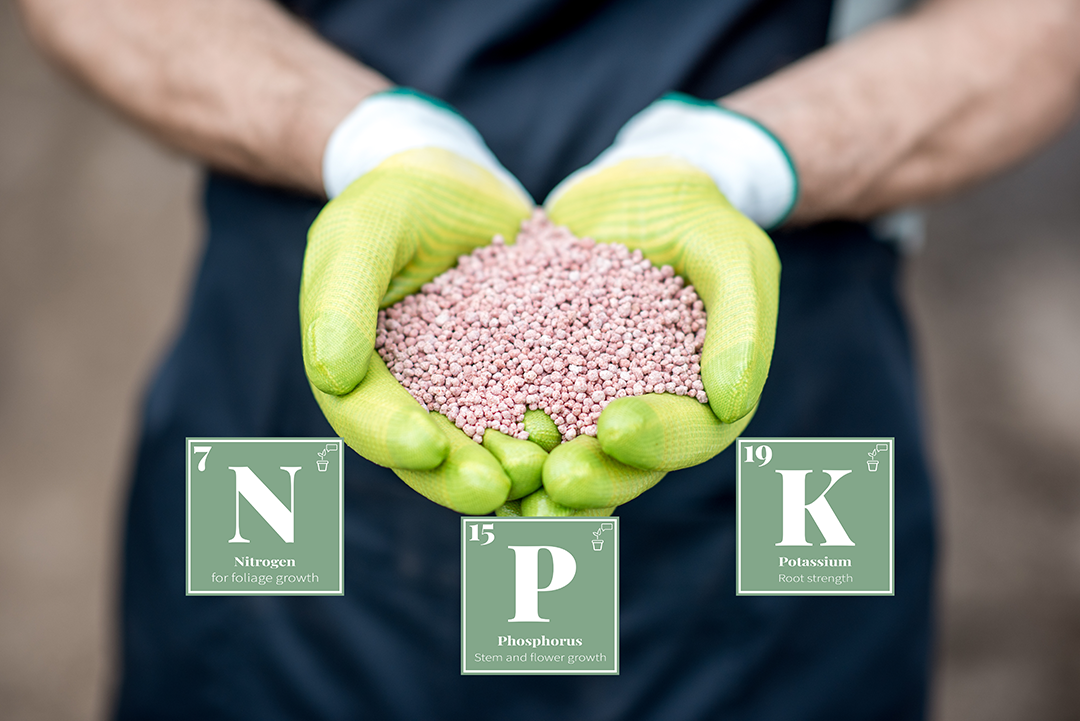
Fertilisers are substances that provide essential nutrients to plants, such as nitrogen, phosphorus, and potassium. These nutrients are crucial for plant growth and development, as they support processes like photosynthesis, root growth, and flowering. However, the amount and type of fertiliser needed can vary depending on the plant's specific nutrient requirements.
Fertilizer requirements of different plant species
Let's take a closer look at some common houseplants and their specific fertiliser requirements:
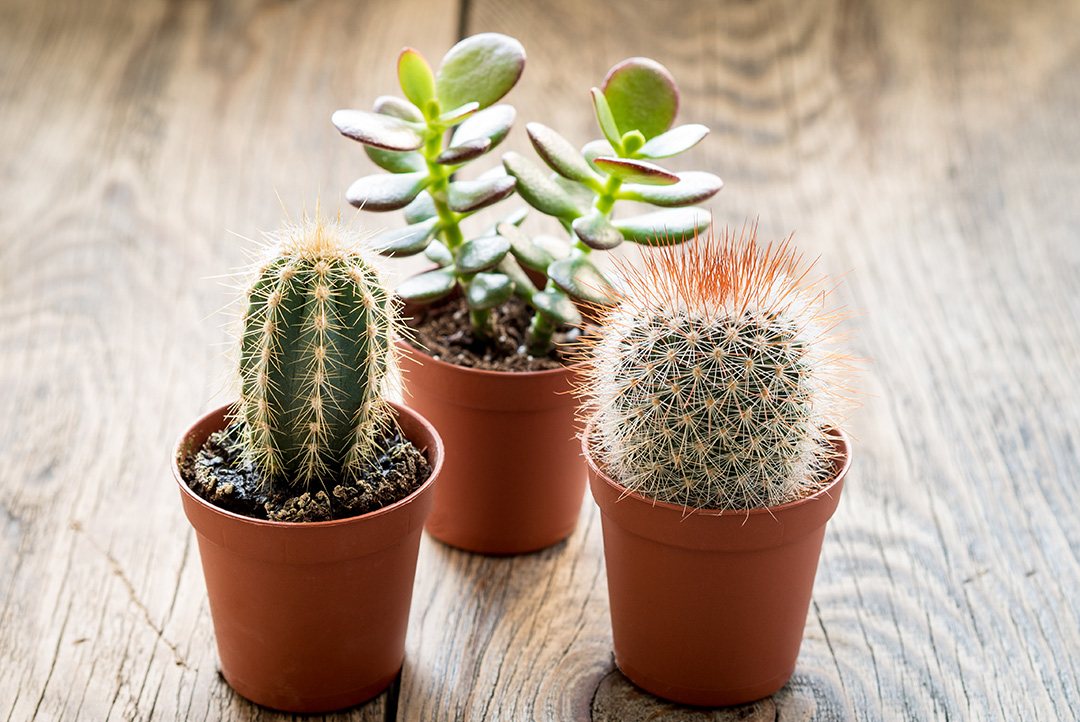
Citrus: Citrus trees are heavy feeders and require a fertiliser that is high in nitrogen to support growth and fruit production. They also need sufficient amounts of other macronutrients, such as phosphorus and potassium.
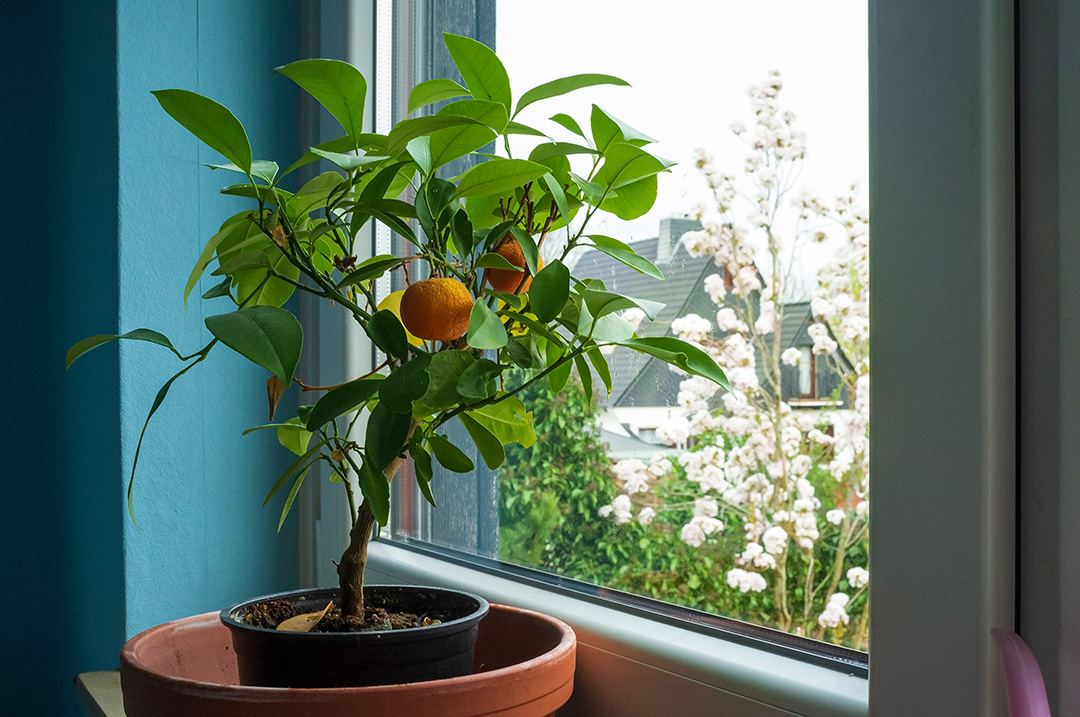
Cacti: Cacti are adapted to survive in arid environments with low nutrient availability, so they require less fertiliser and a specific formulation that is high in phosphorus and low in nitrogen.
African violets: African violets require a balanced fertiliser that is higher in phosphorus and potassium to support healthy root growth and flowering. They also prefer a slightly acidic soil pH.
Ferns: Ferns require a fertiliser that is low in nitrogen but high in micronutrients, such as iron and manganese. They also prefer a soil that is slightly acidic and moist.
Poinsettias: Poinsettias require a balanced fertiliser that is higher in phosphorus and potassium to promote healthy blooming. They also require a soil that is well-draining and slightly acidic.
Succulents: Succulents require a fertiliser that is low in nitrogen and high in phosphorus and potassium to promote healthy root growth and flowering. They also require well-draining soil and infrequent watering.
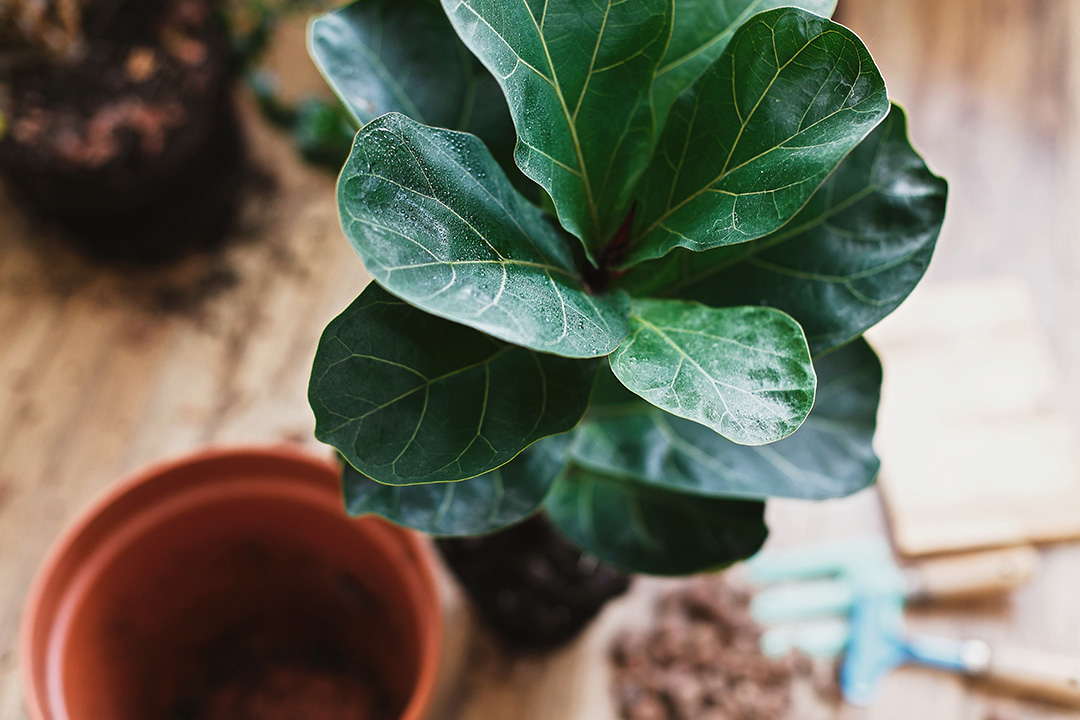
Fiddle-leaf figs: Fiddle-leaf figs require a balanced fertiliser that is higher in nitrogen to support their fast growth rate. They also prefer a well-draining soil and bright, indirect light.
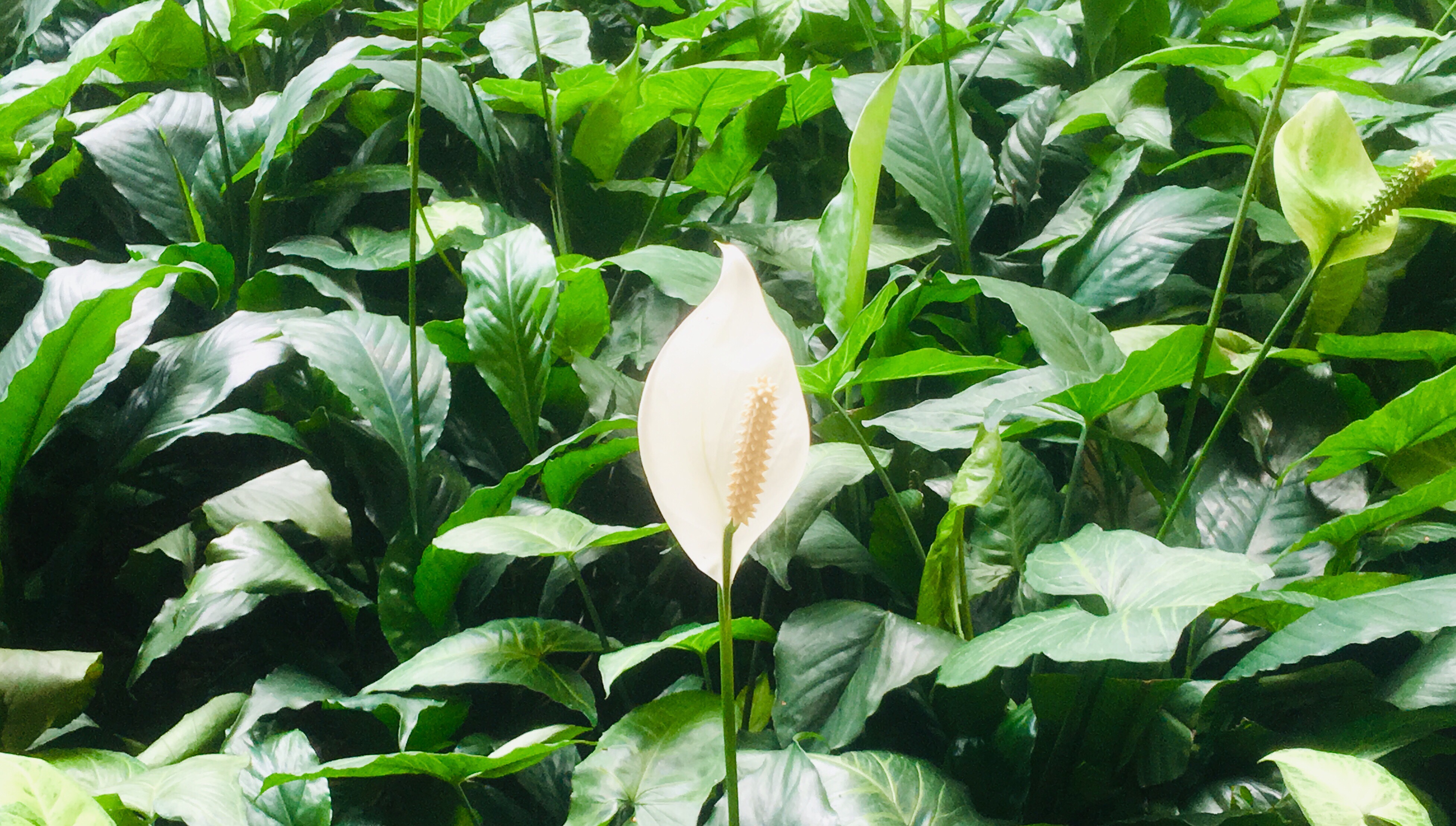
Peace lilies: Peace lilies require a balanced fertiliser that is higher in phosphorus and potassium to promote healthy blooming. They also prefer a slightly acidic soil pH and indirect light.
Spider plants: Spider plants require a balanced fertiliser that is higher in nitrogen to support their fast growth rate. They also prefer a soil that is well-draining and slightly acidic.
Why is this important?
Fast-growing plants require fertilisers that are higher in nitrogen to support their growth rate because nitrogen is a primary nutrient that plays a critical role in promoting plant growth and development.
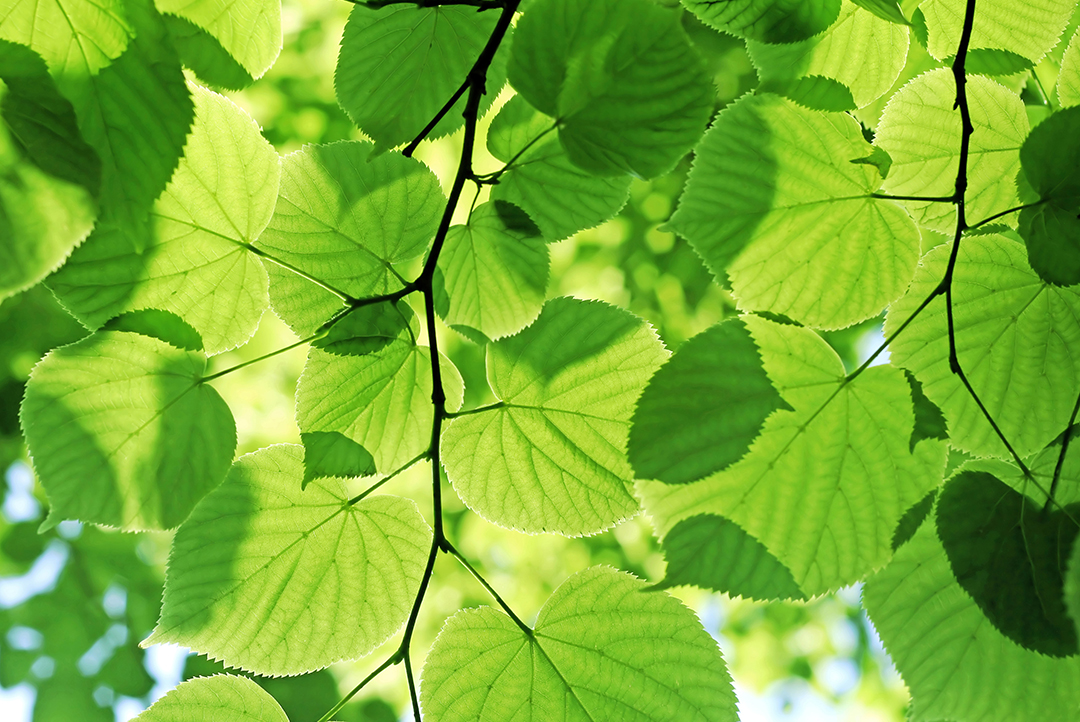
Nitrogen is an essential component of chlorophyll, the green pigment that enables plants to capture energy from sunlight and convert it into food through photosynthesis. As such, nitrogen is a vital factor in the development of leaves and stems, which are the primary parts of a plant that facilitate growth.
Cacti and succulents, on the other hand, have adapted to thrive in arid environments where nutrients are scarce, and so they have evolved to require less nitrogen than many other plants. Too much nitrogen can harm cacti by encouraging excessive leaf growth, which can leave the plant more vulnerable to pests and disease.
Instead, cacti require a fertiliser that is higher in phosphorus and lower in nitrogen to promote healthy root development and support their unique physical structures, such as their thick, fleshy stems and spines.
Acidity?
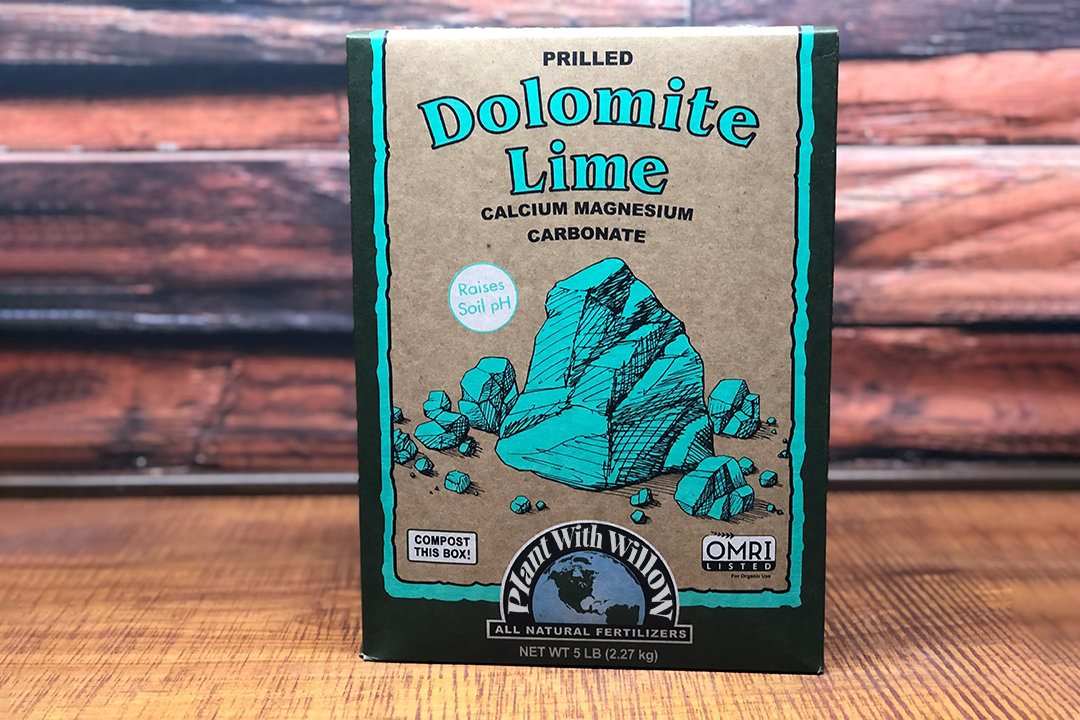
Some fertilisers can make soil more acidic, which can be a concern for some gardeners. If you're worried about soil acidity, you can take steps to reduce it. One option is to add lime to the soil, which can raise the pH level and make the soil less acidic. Another option is to add organic matter, such as compost, to the soil. This can help to balance the pH level and provide nutrients to the plants.
Understanding the fertiliser requirements of different plants is essential for promoting healthy growth and development. By selecting the appropriate type and amount of fertiliser, you can help your plants thrive and enjoy a beautiful garden or indoor space. Remember to read the label on any fertiliser you use and follow the instructions carefully to ensure the best results.


