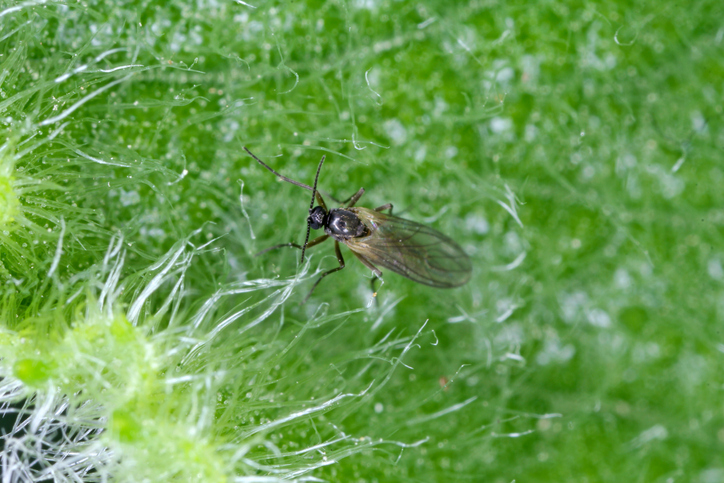


These insects are a nuisance for plant parents all over the world, I guarantee most people interested in house plants have experienced fungus gnats flying around their home at some stage. Their presence can be annoying, disturbing, and downright dirty.
But do Fungus Gnats really do much to damage our beloved green babies?
The short answer is yes, but we wanted to get a little deeper than that today and formally introduce these little critters, and of course a few methods to rid your plants of these pests.
Where Do They Come From?
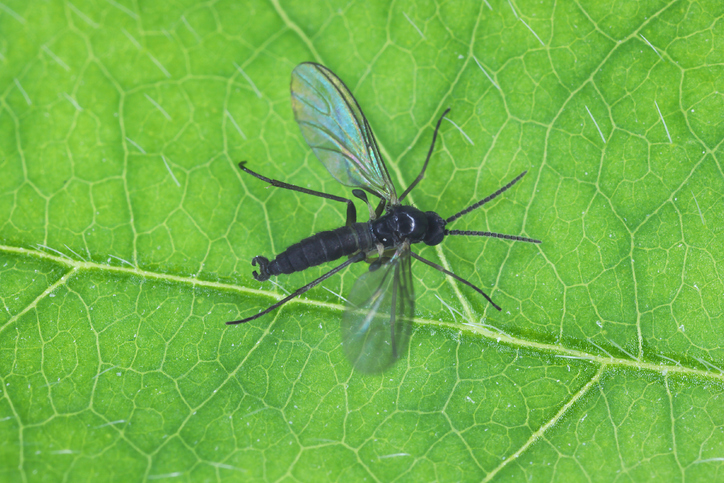
These bugs exist all over our planet. Their populations, like most insects heavily outweigh ours. But these tiny flying organisms do not just appear out of nowhere, although sometimes it may seem that way. They mostly arrive as eggs, lying dormant in your soil or larvae (babies) consuming any decaying organic matter. Adults are originally attracted to these moist environments and may end up laying their eggs in materials such as compost, mulch and dirt.
What Do They do?
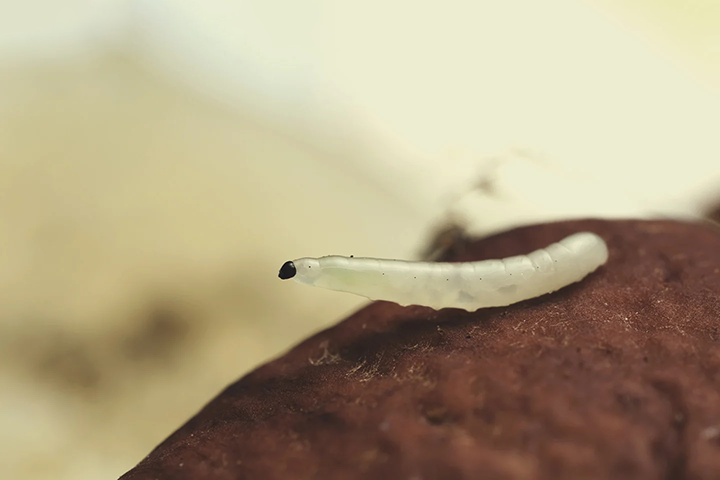
Well, believe it or not, they suck at flying and spend most of their time crawling along the soil surfaces. When they do fly, it’s more of a clumsy hover, spinning around in circles until they land somewhere attractive for laying eggs, or they bump into a mate to reproduce. Their lifespan is relatively short but during this time they can lay hundreds of eggs, which is why you may notice them suddenly multiplying to what seems like a swarm! They don't bite or transmit diseases, but they can be a real nuisance.
Are They Hurting My Plants?
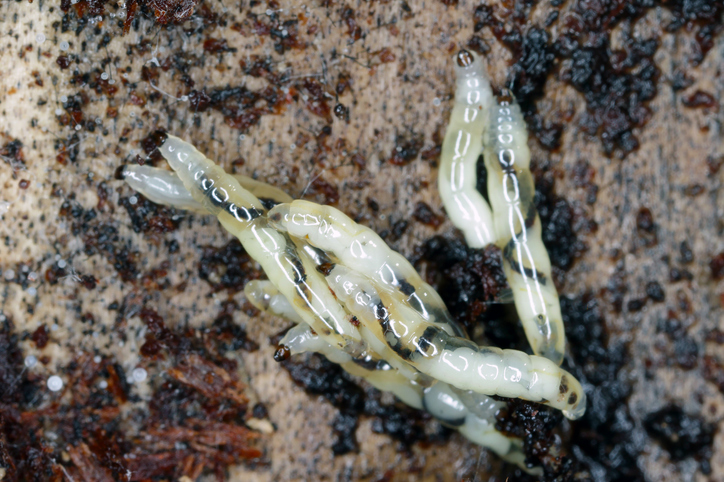
The larvae can cause significant damage to plants by feeding on their roots. This can lead to wilting, yellowing leaves, and stunted growth. In severe infestations, the larvae can even kill seedlings and young plants.
Although if larvae are feeding on your roots, it’s usually a sign that you’ve been letting your plants soil stay moist for too long causing roots to decay. look out for wilting or yellowing leaves, stunted growth, and slow recovery from repotting or transplanting. This may mean you have some form of root rot being amplified by fungus gnat larvae.
What Can I Do To Get Rid of Them?
Fortunately, there are several things you can do to get rid of fungus gnats and protect your plants. Here are a few effective methods:
1. Allow soil to dry: Fungus gnats thrive in moist soil, so allowing the soil to dry out can help to reduce their populations. Just be careful not to let the soil dry out completely, as that can harm your plants.
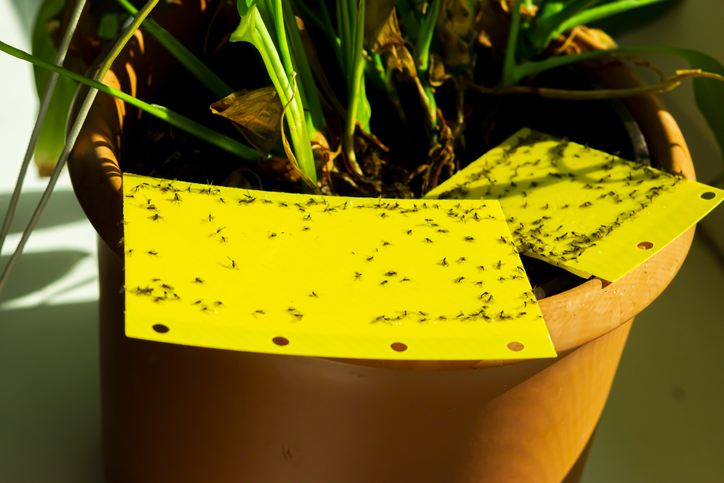
2. Use sticky traps: Sticky traps are an easy and effective way to trap adult fungus gnats. Simply place the traps near your plants, and the gnats will get stuck to the adhesive surface, because of their poor flying skills.
3. Flush the soil with biological controls: Several products work wonders. In the Northern Hemisphere, many use Mosquito Dunks (which contain Bti, a natural bacterium that kills larvae but is safe for pets). While that specific brand varies by region, you can find Bti drops globally. Another highly effective option is Tanlin (T-Drops); it’s super concentrated and works by disrupting the larvae's gut.
4. Introduce beneficial insects: Certain insects, like predatory mites and rove beetles, can help to control fungus gnat populations by eating the eggs and larvae.
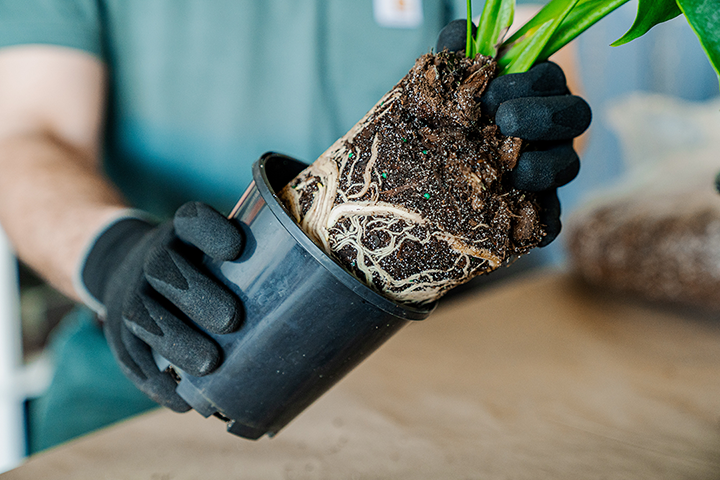
5. Re-potting the plants in new soil can help as well, as the gnats will be removed from the soil and can't lay eggs there.
In conclusion, fungus gnats can be a real pain for indoor gardeners, but with a little care and attention, they can be controlled. By allowing the soil to dry out, using sticky traps, neem oil, beneficial insects and/or re-potting, you can protect your home from these tiny pests.
Remember that prevention is always better than cure, so it's important to keep your soil from becoming too waterlogged and keeping an eye out for signs of infestation.


