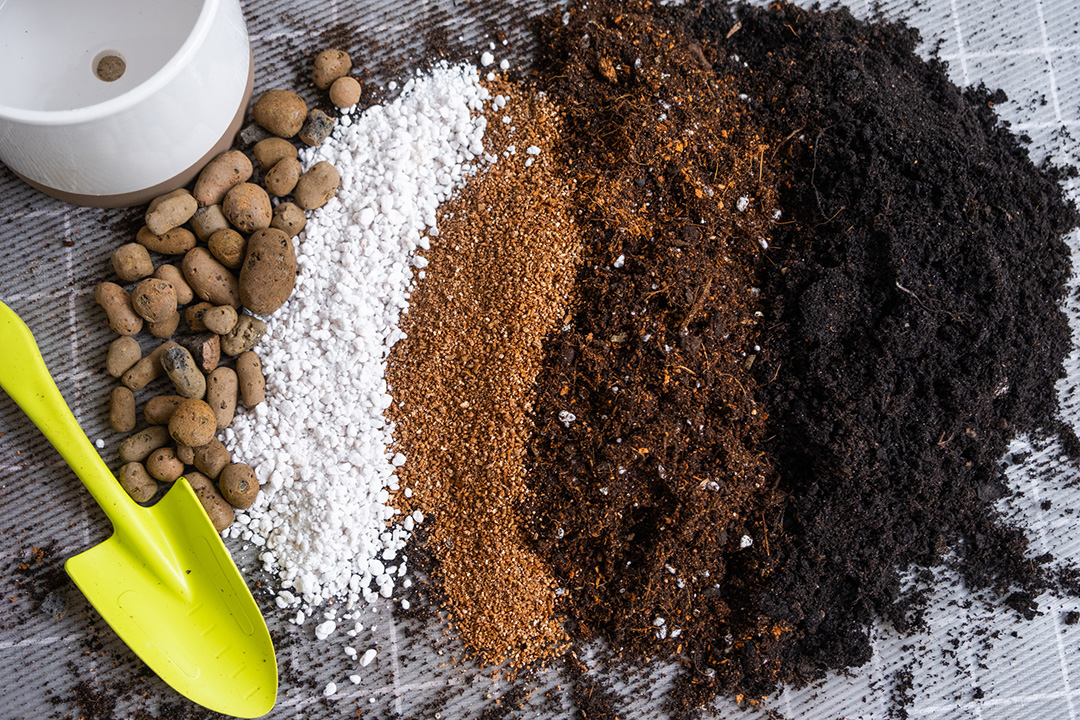


Is dirt just dirt? We get asked this question a lot: What’s the best soil for my Monstera, Philodendron, Peace Lily, or [insert your houseplant here]?
We love it because, yes, different plants need different types of soil, and it shows that while plant parents may not always know the answer, they know soil is an important factor.
When and how much water Willow recommends is based on both your plants needs and the medium you have your plant potted in. When adding a plant to your profile, please choose the most appropriate.
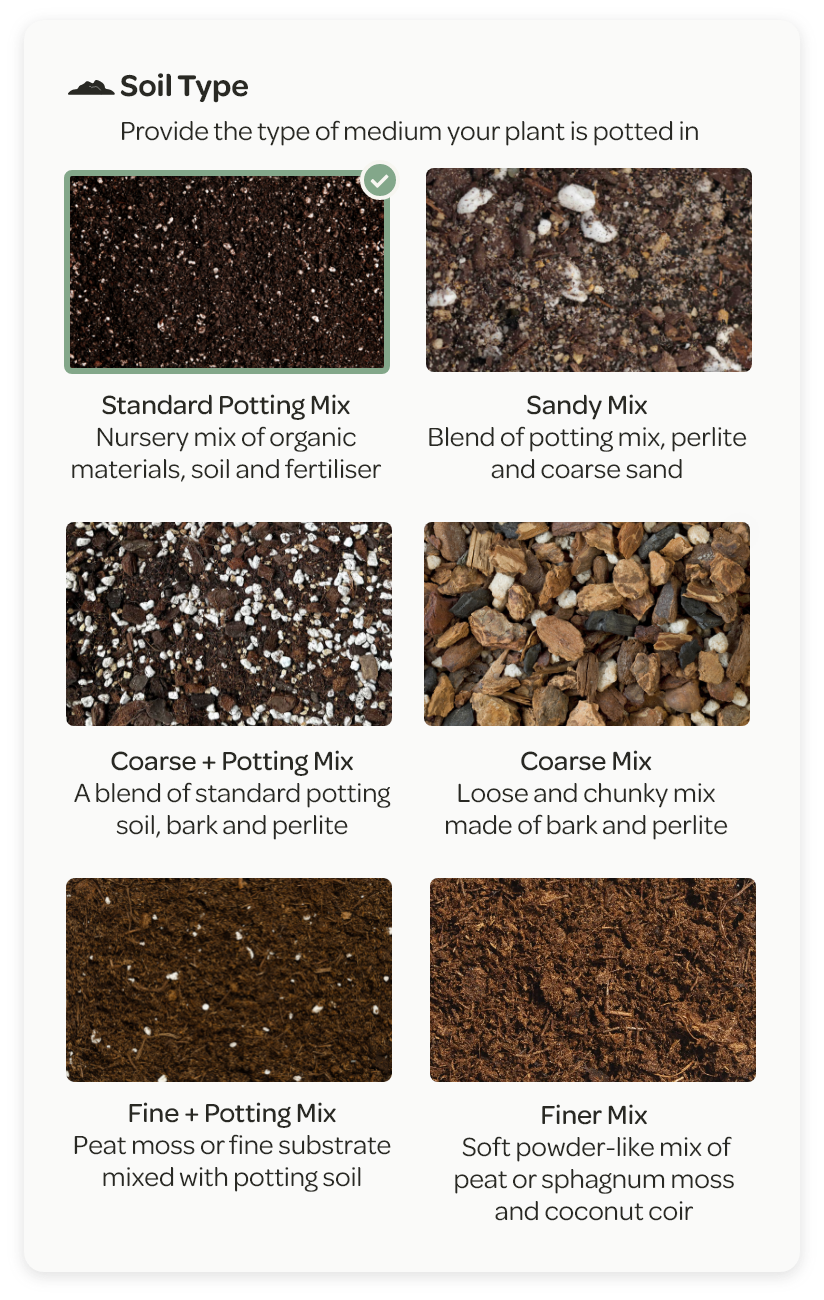
Let’s run through the listed soil types in our selector - how to distinguish between them and which plants are best suited for them
Standard Potting Mix
Standard potting mix is a broad term that commonly refers to any soil which contains actual dirt. It’s typically what plants bought from your local nursery will be potted in and can be purchased under the name “premium potting mix” or “potting mix”.
It often contains fertiliser, organic material, and dark soil but without large chunks of bark or perlite, the mix lacks drainage and aeration. It’s not perfect, but it gets the job done.
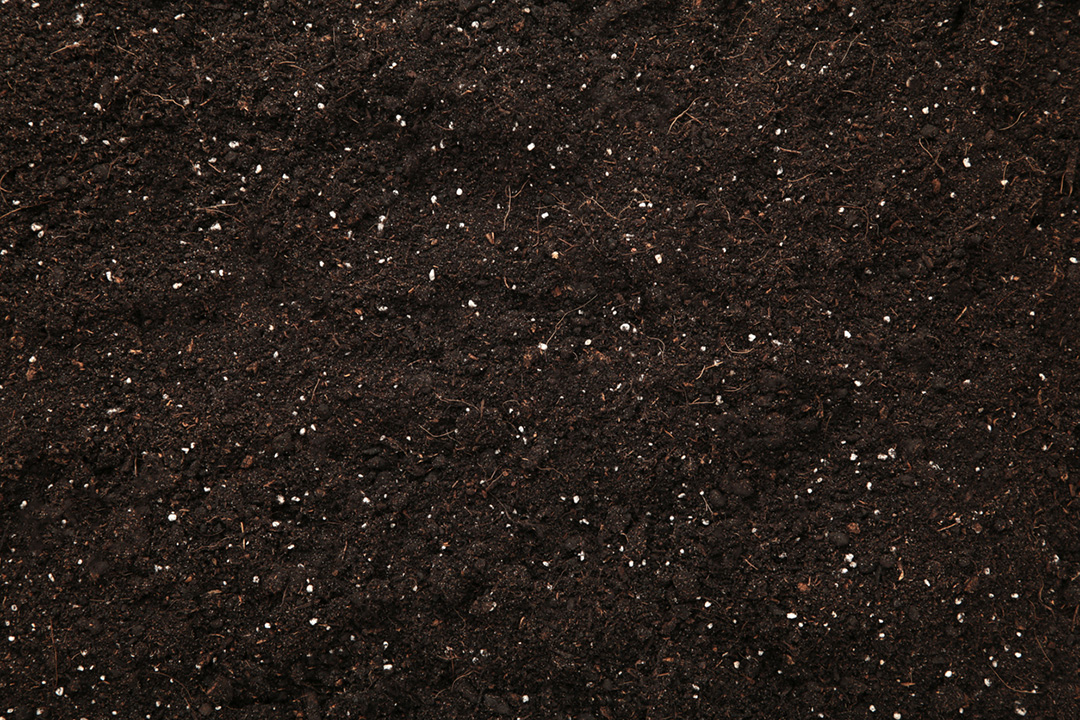
The best way to spot standard potting mix is by touch. It should be dense and gritty with no large particles, and it will often clump together when it’s dry.
Plants best suited to standard potting mix
- Herbs and flowering plants like Chrysanthemums and Basil that need to stay constantly moist
- Fruit trees and shrubs like Lemon Trees and Copperleaf Plants which are used to growing in the ground
- Palm trees like the Kentia Palm that aren’t real fussy about soil.
_________________________________________
Sandy Mix
The composition of a sandy mix is somewhat self-explanatory, but it’s important to note this is not your classic white beach sand.
When we refer to a sandy mix, it's gritty, granular and dense while maintaining good drainage. You can get really good Sandy soils from cactus and succulent nurseries or make your own using coarse sand, potting mix, perlite and some fine bark chips.
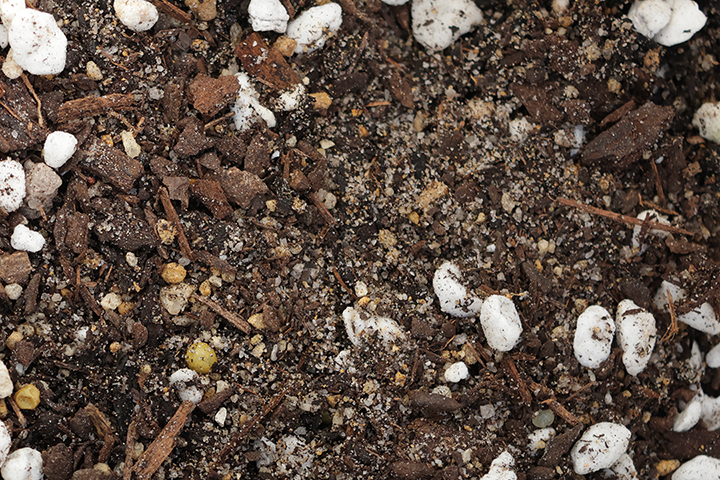
A sandy mix looks like a standard potting mix, but feels granular with a gritty finish - it’s dense but still fine enough that it can fall through your fingers.
Plants best suited to a sandy mix
- Cacti and desert plants which usually grow in sandy, hot and dry climates
- Succulents and plants which don’t need a whole lot of water
_________________________________________
Coarse + Potting Mix
If your plant’s sitting in a potting mix which has coarse chunks of bark and perlite added, then this is the option for you.
This is a good go-to blend because it provides drainage and holds onto moisture in a harmonious balance. It’ll drain a little slower than a coarse soilless mix, and hold a bit less moisture than a standard potting mix.
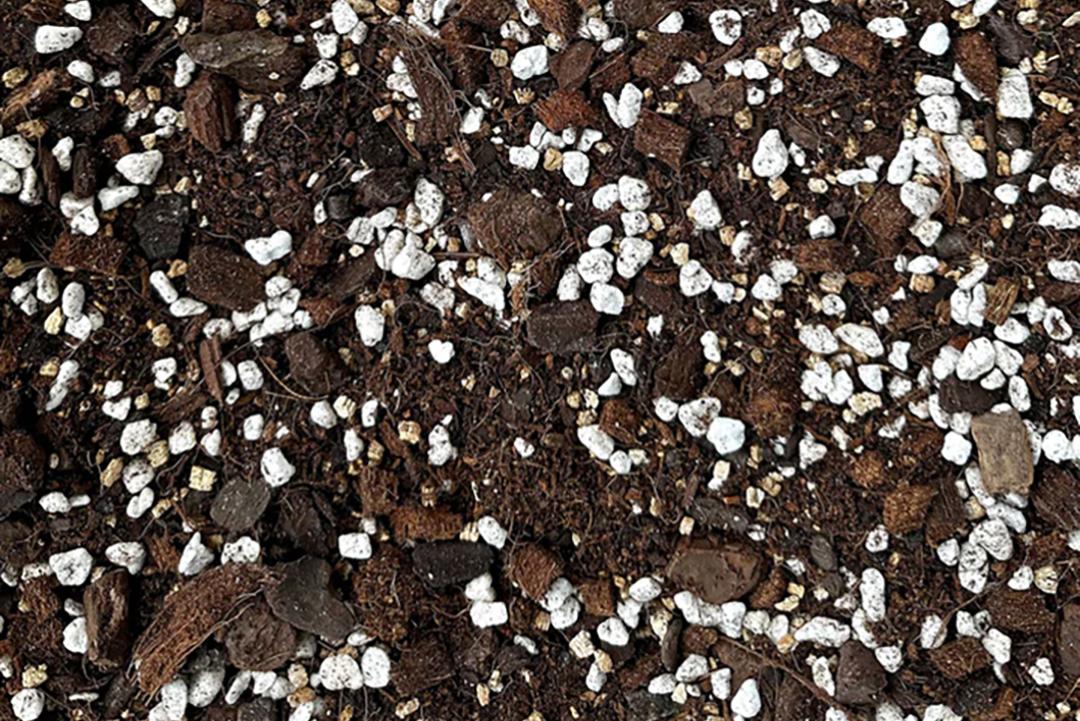
It’s still loose and airy so it allows thick root systems to grow smoothly through it. Plus the soil usually holds onto more nutrients than a fully coarse mix.
Plants best suited to a coarse + potting mix
- Hardy tropical species such as Devil’s Ivy or Syngoniums
- Outdoor Philodendrons like the Tree Philodendron or Heart Leaf Philo
_________________________________________
Coarse Mix
Our favourite of the soil mixes and for good reason! Coarse mixes are perfect for indoor plants because they provide excellent drainage and hold onto the essential moisture needed to save your plants the painful experience of being watered too often.
It dries out quickly, meaning you can hydrate your plants often without having to worry about too much water.
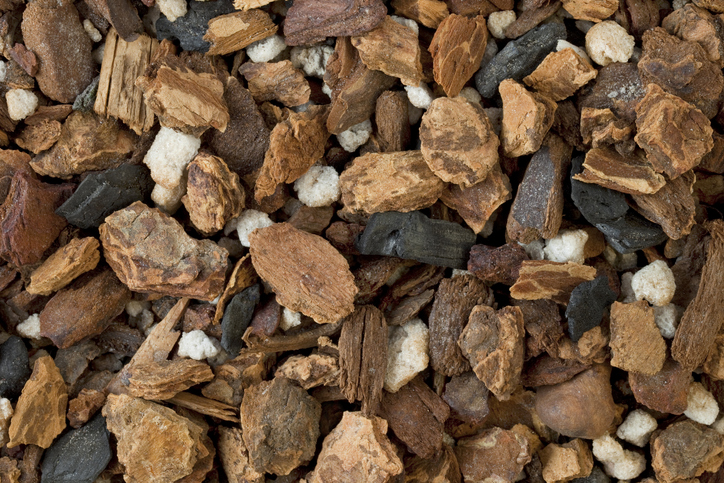
Spotting a coarse mix is easy as they almost never have any actual soil in them. Instead look for coarse chunks of bark, perlite and other large particles.
Plants best suited to a coarse mix
- Tropical Plants such as Monstera, Philodendron, and Anthurium, their thick roots grow through coarse mix extremely well
- Plants that are sensitive to too much water like Bromeliads
_________________________________________
Fine + Potting Mix
If your finer mix is looking a little too similar to the classic standard potting mix, full of dirt and sand instead of pure peat moss or coconut coir, then select this option.
When fine substrates like peat moss are mixed with standard potting mix they're going to hold onto a little less moisture and be a little more dense when it’s dry. Drainage is the hardest part about balancing this mix, so you’ll need to be careful which plants are planted into it because they’ll be sitting in damp soil for a while.
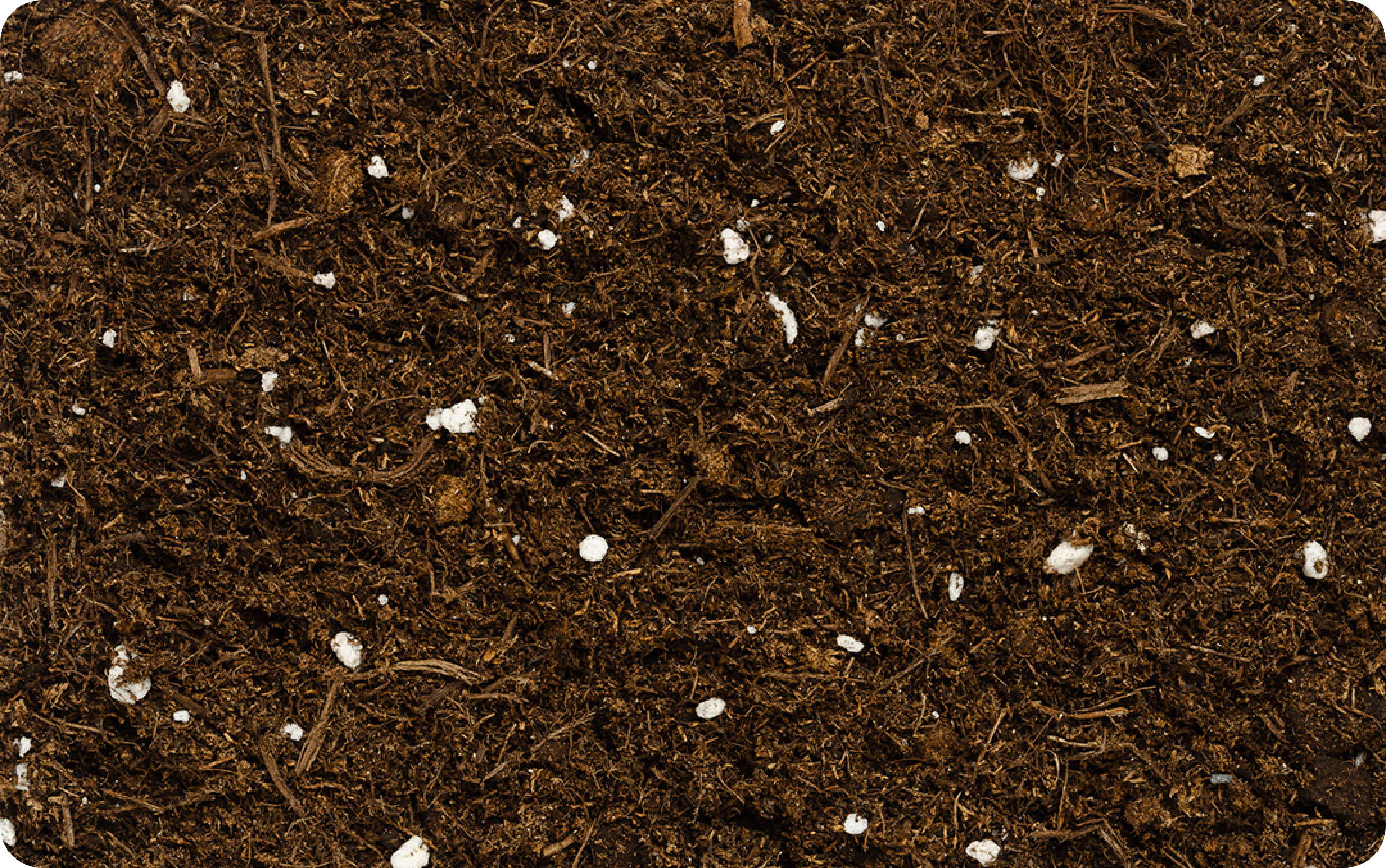
You can spot a fine blend because it will look similar to your standard potting mix but with lots of peat moss, sphagnum moss, or coconut coir through it.
Plants best suited to a fine + potting mix soil
- Hardy ferns like the Australian Tree Fern and Boston Fern that need to stay constantly moist
- Plants that can handle a damp root system like Xanthosoma and Caladium
_________________________________________
Finer Mix
True to its name, a finer mix is soft and delicate in texture. It’s made of thin ingredients such as peat moss, sphagnum moss or coconut fibres. Finer mixes are designed to hold onto moisture for as long as possible. When dry, the mix becomes very loose and dusty but once thoroughly wet it turns dense and compressed.
Finer mixes are also commonly seen when growing seedlings or cuttings, especially in commercial plant nurseries. You’ll often see them as a base medium for propagation.
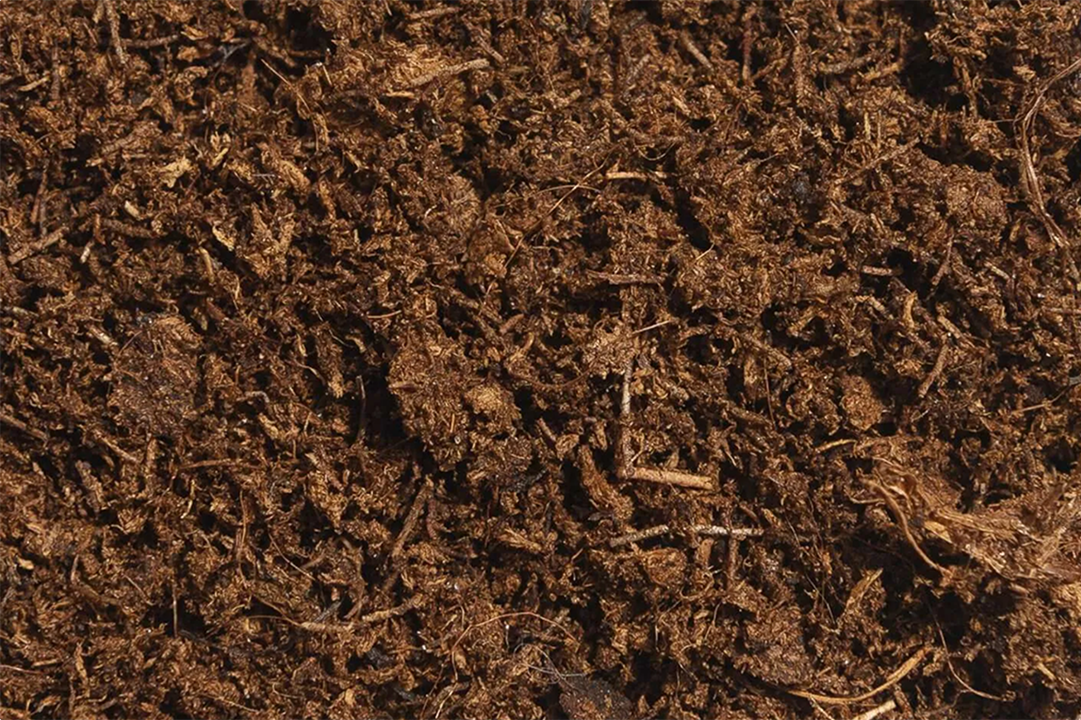
The best way to spot finer mixes is with your eyes. They are often fibrous, stringy and quite damp. When dry, the mix resembles a powder.
Plants best suited to finer mix
- Ferns like the Rabbits Foot Fern and Maidenhair Fern that need to stay constantly moist
- Tropical species like Calathea.

