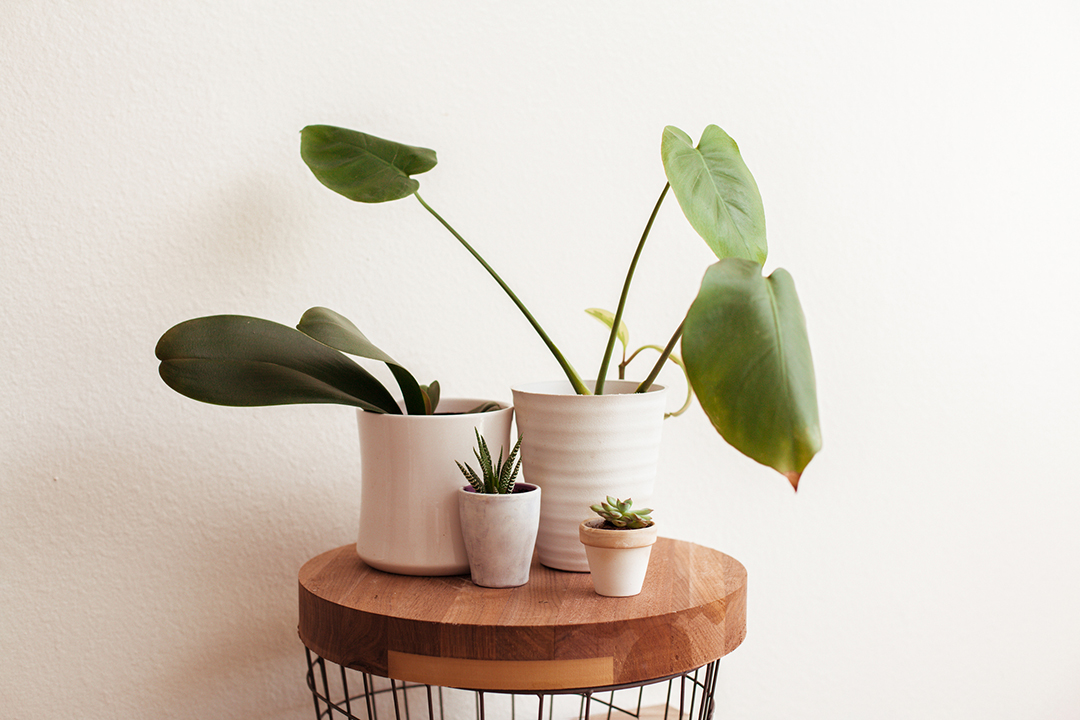


Alongside sufficient watering, light is the most important factor when it comes to growing plants. Plants use sunlight to feed themselves and grow through a conversion process called photosynthesis.
Too little light and your plant will experience a whole raft of visual stresses such as leaf discolouration, little and abnormal growth, and even leaf drop.
Let’s Break Down These Visual Cues
- Slow nominal growth: If your plant isn’t producing many new leaves or flowers and/or the new leaves are small, this is typically a sign of a lack of light.
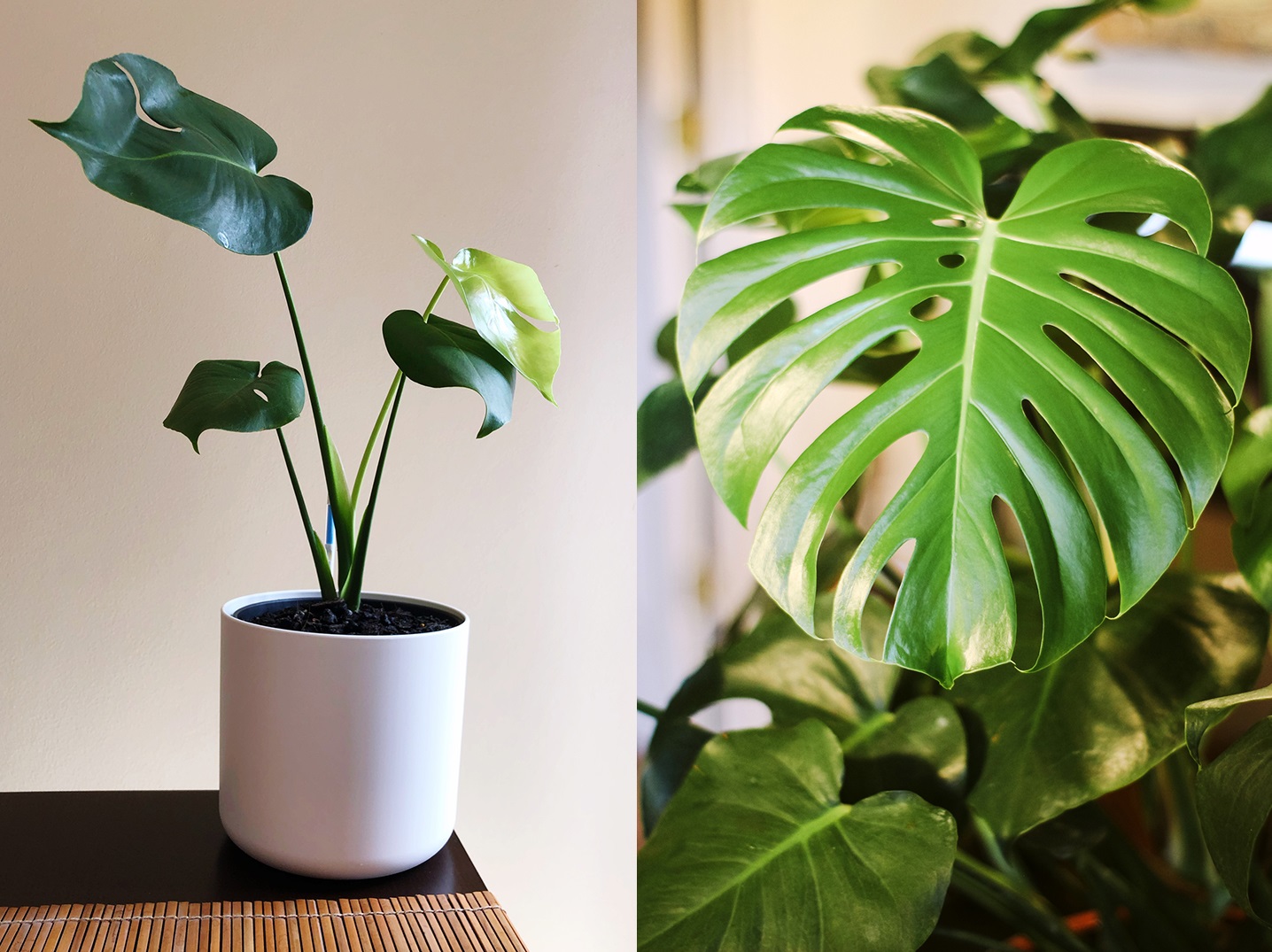
- Lack of leaf structures: If your plant doesn’t receive enough light, it cannot produce enough energy to support the full development of leaves. A clear sign is your Monstera missing the characteristic fenestration (splits) in its leaves.
- Etiolation (leggy growth): This one is particularly true for our climbing and trailing plants and is typical of growth patterns during the dormant season. In search for sufficient light, your plant will literally reach for the closest light source. The results for your plant are long, thin, bare stems with large spaces between leaves (long internodes). The latter is also common among succulents and ferns.
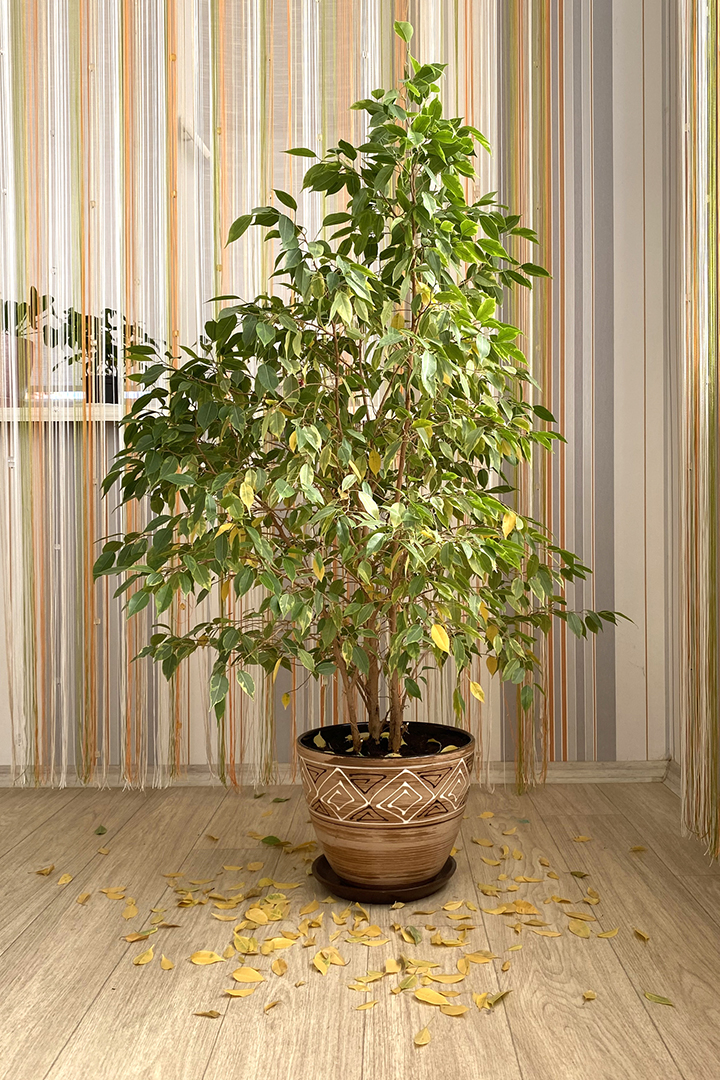
- Yellowing and dropping leaves: Slow and wonky growth doesn’t sound like the end of the world but what will likely come with sustained low light is the discolouration and loss of leaves. Insufficient light exposure prevents the plant from producing chlorophyll and with a lack of nutrients the leaves turn yellow, or your plant sheds leaves to limit its energy use.
What Should I Do?
- Place your houseplant closer to its current light source or move to a brighter window. Our lighting guide explains window orientation as well as the common terms of medium and bright, indirect light.
- If your plant cannot be moved permanently (maybe its toxic to your pet or you simply don’t have the room), you can consider providing intermittent recharging; place your plant close to your brightest light source for a short period and move back. You can swap and rotate your plant collection.
- If none of the above options are viable, it may be time to consider a grow light to compensate for the natural conditions.
Our Willow Sensors monitor your light conditions 24/7 against your plant’s ideal conditions to help you create an environment for steady, healthy growth.

