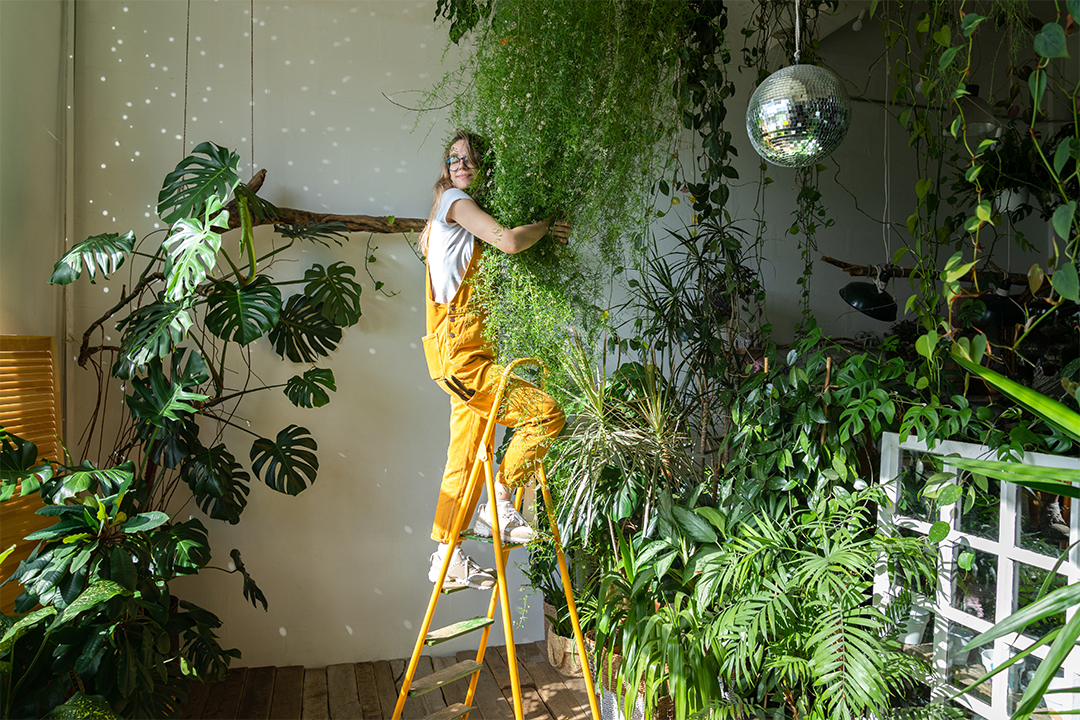


Houseplants can be a wonderful addition to the home, they bring a sense of pride, mental fortitude and aesthetically they can enhance the look of your home. But you can't just throw a plant in a corner and expect it to grow on its own. Instead, think of your houseplants as furniture that needs some care and maintenance. We’ve compiled a list of some of the mistakes we’ve all made when we first began our houseplant journey, hopefully this saves you some time searching “What’s wrong with this plant!” as we cover the frequently asked questions of houseplant care.
Temperature; is it important? And what are my plants limits?
Houseplants, specifically the plants which we all know and love, are typically tropical by nature. Philodendrons, Monstera, Begonia and many more popular houseplants are native to warm humid jungle environments. But generally, all plants are born through seed and those seeds germinate in the warmth of spring using soil moistened by winter rains.
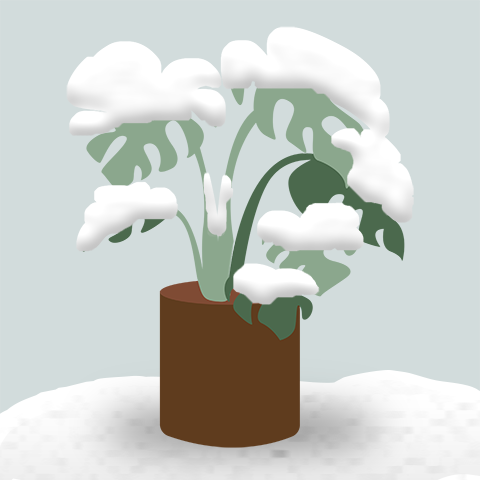
What this means is that plants by nature need warmth; to be specific plants usually enjoy a region between 22 and 32 degrees Celsius (72 – 89.6°F). Once temperatures exceed 30 degrees Celsius (86°F) though, you’ll often find your plants need to be watered almost daily. Your tropical plants can handle a period of cooler temperatures, but you'll notice they won’t grow a whole lot in this time. Once it gets down to 10 degrees Celsius (50°F), plants enter a phase known as dormancy; this means they are storing a lot of energy for winter. Just like our metabolism slows in cooler climates to protect us, so does the metabolism of our plants. If you’ve ever put a water rich vegetable like a cucumber into the freezer, you’ll understand why our water rich tropical plants won’t survive extreme frost. On a cellular level they are not built to freeze and defrost.
How is light measured? What is too much and what is too little?
Light is one of the most important factors when it comes to growing plants. Our plants use sunlight to feed themselves and grow through a conversion process called photosynthesis. Without getting too science heavy, the general rule of thumb is that light allows our houseplants to proceed with all the chemical process’. It keeps them moving, healthy and happy. Sunlight is often referred to with terms such as brigh indirect, bright direct, or low light. Check out our lighting guide for a breakdown of these terms and helpful infographics. From a more scientific view, it can also be measured using units of illuminance or Lux.
In Australia, North facing windows are the most effective for growing plants. This is because the sun rises from the east and sets in the West, directly illuminating the northern side of our houses and buildings. The opposite is true for those living in the Northern hemisphere where the South facing windows receive the most sunlight.
In this example we’ll focus on a North facing window. If you were to have a plant sitting directly on the windowsill, being hit with the full force of the sun's rays, this is considered bright direct sunlight and would receive a whopping 60,000 – 100,000+ lux. This is a great amount of sunlight and only really suitable for desert plants, succulents and cacti, and outdoor trees and herbs which specify they need full sun. If you moved the plant back a metre away from the glass, the light drastically reduces to around 2,000 - 15,000 lux. This is known as bright indirect sunlight and you’ll find a lot of the tropical understory plants grow well under these conditions. Once you move plants more than 3 metres away from the suns beam or if you were to place your plants in a position where they are under the windowsill, or against the wall next to the window, they are often completely shaded from the sun. This is considered low light and only plants suited to grow in heavily shaded areas will survive in these conditions. In Lux levels, this would be ~500 – 2000 and it’s recommended that plants left in locations like this rotate into brighter positions occasionally for a “recharge”. Plants left in low light conditions for extended periods of time will show signs of distress. Anything lower than 500 lux such as that found in the darker corners of your home and rooms without any windows is considered little to no light. Plants cannot survive in conditions like these and will need to be moved.
Is there a difference between moist and wet soil?
A lot of house plants require their soil to stay moist, this is because in their natural jungle environment the soil has constant humidity and retains moisture from its leaf litter. Like an organic mulch, the roots of trees and ground cover plants also hold water within the soil surface meaning it never really “dries” out. Obviously, we don’t expect you to create a jungle in your home and the soil can dry out a fair bit between watering your houseplants. With exceptions like Ferns, and Alocasia which require a constant level of moisture. You can achieve this by watering moderately and quite regularly. You may also choose to use a “wick” or thick piece of string submerged through the soil which sits in a vessel full of water under the pot or beside it. This acts like a straw and allows your thirstier plants to take up water as they need it without running the risk of over saturating the soil which they sit in.
With overly saturated or wet soil, you’ve filled all of the air space soil provides with water. The soil no longer contains oxygen and these anaerobic, moist conditions are the perfect environments for developing bad mould. This microorganism is what causes root rot and can kill your plants if left untreated. The best protection in this instance is prevention!
One of the most effective tools for learning about how wet your soil should be, or at least understanding the difference between wet and moist is a tea towel. If you were to submerge a tea towel and let it absorb all the water it possibly can, then remove it and lay it on a flat surface without squeezing any moisture out, it would be considered saturated or wet. You want to avoid letting your soil get like this. On the contrary, if you were to take the tea towel out of the water and then wring or squeeze out some of the moisture to the point where it no longer drips, the towel is no longer saturated, but nor is it dry. This is considered moist and it’s at this level which you should be trying to keep your soil. This is why it’s good to let excess water flow down the drain after watering and not have your plants sitting in a drip tray full of water.
Should I repot new plants when I take them home?
So, you’ve just bought a new plant home, it’s sitting in a small plastic nursery pot and you bought a beautiful new pot alongside it that it would look perfect in. Before you go uprooting your new green baby, you may want to consider a few things.
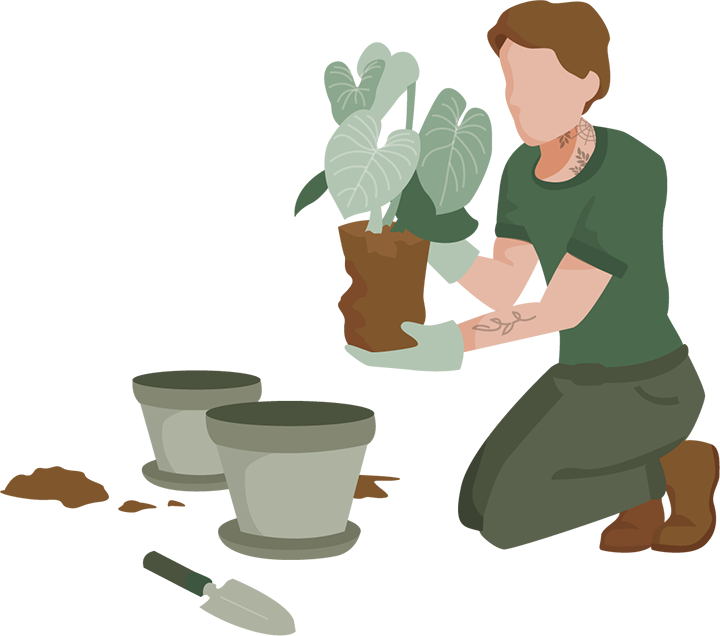
Be aware that this plant will become stressed in its new environment, your home, and will take a few weeks to settle into the new temperatures, light levels and humidity available. Most of the plants we take home have been cultivated in near perfect conditions, lots of sunlight, lots of moisture and a decent amount of local humidity. They can survive these changes but no different to how you feel getting out of bed Monday morning, it just takes a while for them to get going.
Let’s talk about plant stress in general, the concept essentially refers to delay periods. Plants will comfortably grow as long as they have all the resources required - sunlight, water, warmth, humidity and of course a boost of fertiliser. However, if some phenomenon causes the plants conditions to change, it will show signs of stress. This is because it now has to work harder in order to perform standard tasks, and will not be able to sustain full and luscious growth. Basically, it’s more focused on surviving than looking pretty. In the case of uprooting or repotting, the root system which once provided stability and moisture to the plants organs is now compromised. Usually this occurs because as we repot our plants and loosen up the root ball for transplant, we damage tiny hair-like roots which were taking up most of the water into the main root system.
To answer the question, no you probably should not repot plants as soon as you’ve taken them home. Give them a few weeks to settle into your home and then you can plant them up into a bigger, better-looking pot. Nothing is stopping you from placing the nursery pot into your decorative pot in the meantime. In fact, it’s always a good idea to leave your plants inside their plastic pots anyway as they provide sufficient drainage holes. You’ll also find it a lot easier to repot your plants out of a plastic pot as opposed to something more rigid like terracotta or ceramic.
This is just a suggestion of good practice and there are always exceptions to the rule. If you bring a plant home and the pot feels solid, almost as if it’s bulging at the sides, you most likely have a very rootbound plant and you may want to uproot it for root pruning or to just plant it into a larger pot straight away. Check out our videos on repotting and root pruning for a hands-on demonstration!
Humidity and its effect on our plants, Do I have to live in a greenhouse?
Humidity is essential for plant growth as it assists with chemical processes like transpiration and photosynthesis. Transpiration is how plants release water they’ve sucked up from underground into the air. The higher the humidity in the air, the less moisture our plants lose through transpiration. This specifically applies when it’s very hot and also dry. If you put a plant in dry soil somewhere where the air is very dry, it can lose moisture quickly as it tries to suck cool water from the ground to replace the hot water within its cells. You will notice plants in these conditions wilt very quickly unless they are constantly topped up with water, or the soil they are in is kept moist.
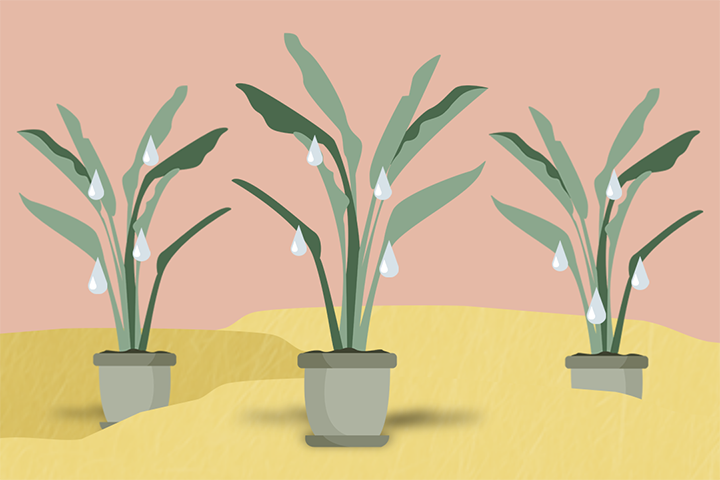
Humidity is also helpful for the tropical plants we grow in our homes like Philodendrons and Birds of Paradise. These plants need humidity to lubricate their new growth as it pushes out of their petioles. Without this humidity, you will sometimes see these plant leaves become trapped within their sheath, or just stuck together. New foliage for these plants can have a somewhat rubbery texture and the dry friction causes tears or deformities as they grow.
To summarise, you do not need to live in a greenhouse in order to successfully raise plants. Our homes usually sit around 50% humidity, which is enough for the plants to live a happy life. Things that can affect this though are drafts through the house, air conditioning and heaters. Try to keep your plants away from direct contact with heaters or the breeze created by drafts and air conditioning. As for the leaves which may keep getting stuck because of low humidity, one of the best things you can do is spray these leaves gently every day as they emerge.


