

Technically yes, but not like Toy Story.
Plants, much like all living creatures on earth can move. These movements are related to growth of roots, leaves and flowers. Some, like the Venus Fly Trap, snap shut to secure their prey. But did you know certain plant species will make specific movements in relation to the time of day. You heard that right, plants can tell the time of day!
The floral and foliar movements made by these plants is known as Nyctinasty. Typically, what this means is that during the day, their leaves will rigidly extend horizontally to increase their surface area to the sun and optimise photosynthesis. Plants with flowers will open widely to ensure pollinators can access their nectar and ensure reproduction. While at night, the flowers will close tightly to deter the wrong insects from wasting any pollen and the leaves will rise, twist or fold into a more vertical position. In the wild, plants will also do this as a protective measure again nocturnal herbivores. Clever right?!
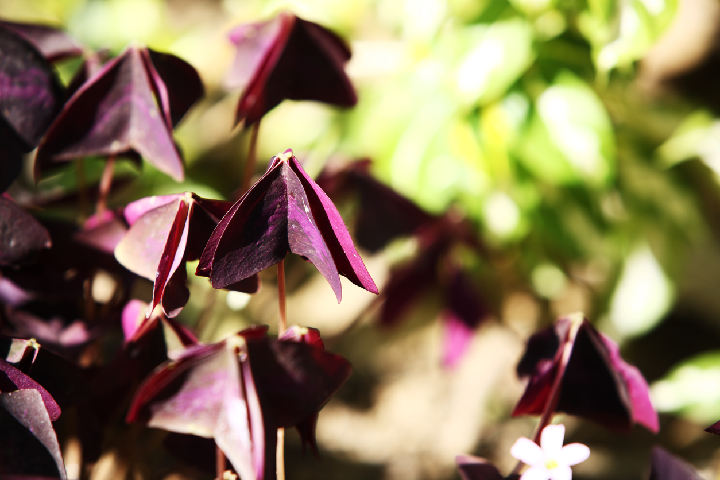
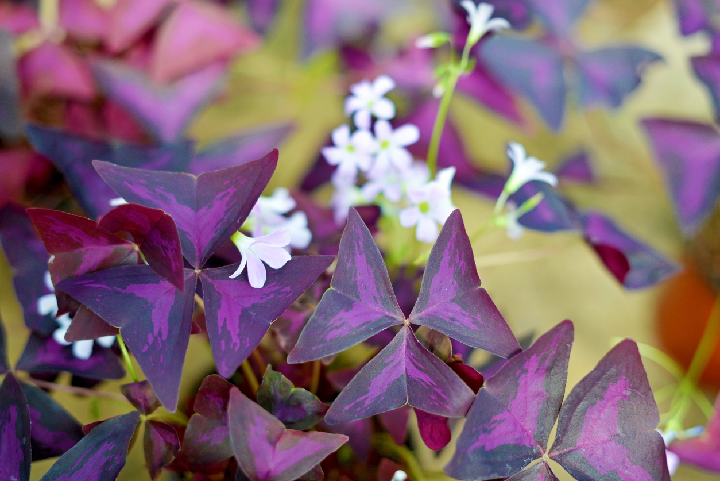
One of the most well-known nyctinastic plant genus is Oxalis, specifically Oxalis triangularis with its large triangular leaves which close like an umbrella at night. Oxalis flowers will also twist their trumpet like flowers closed.
Here you can see them closed
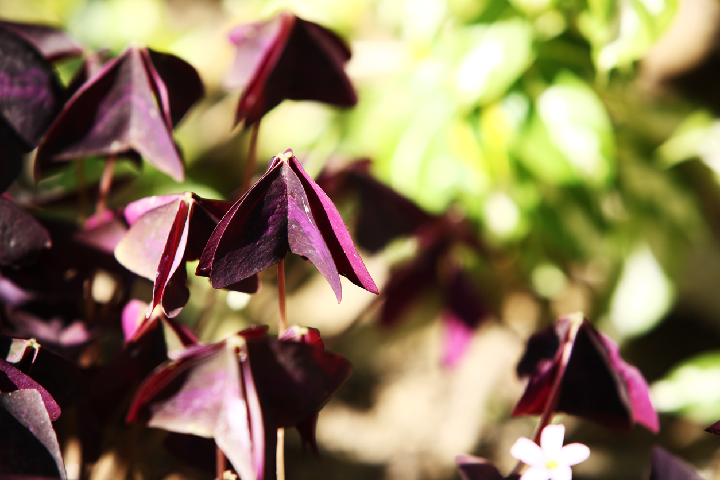
and here you can see them open.
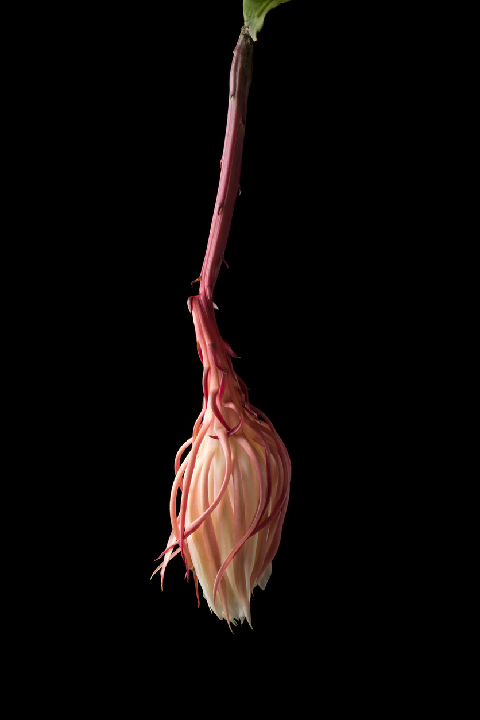
Some species of Cacti are well known for presenting their blooms during the night-time to attract nocturnal insects, but what you may not have known is that most cactus react the opposite way - showing nyctinasty by closing their blooms at night.
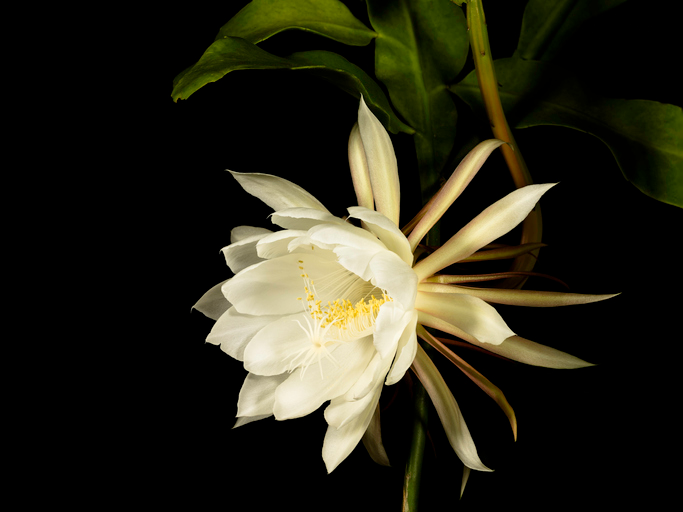
A popular tropical houseplant considered a weed in some continents is Mimosa pudica. Also known as the sensitive plant or shame plant, it displays nyctinasty in an even more eccentric fashion. As soon as its foliage is touched or brushed against, the leaves begin to fold inward and shy away. The process only lasts for a few minutes before slowly returning to their usual state.
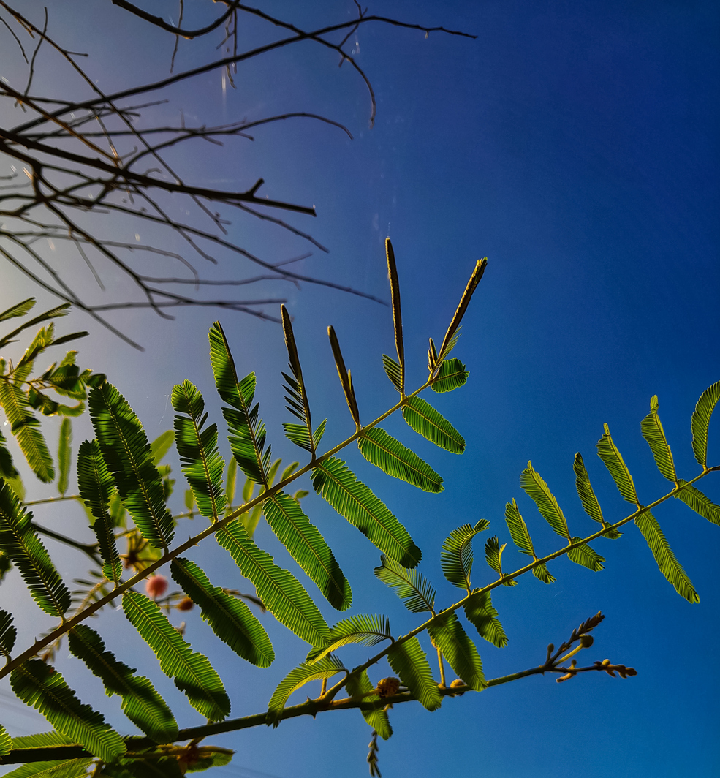
You can see how the leaves fold inward completely, almost becoming stiff like a stick.
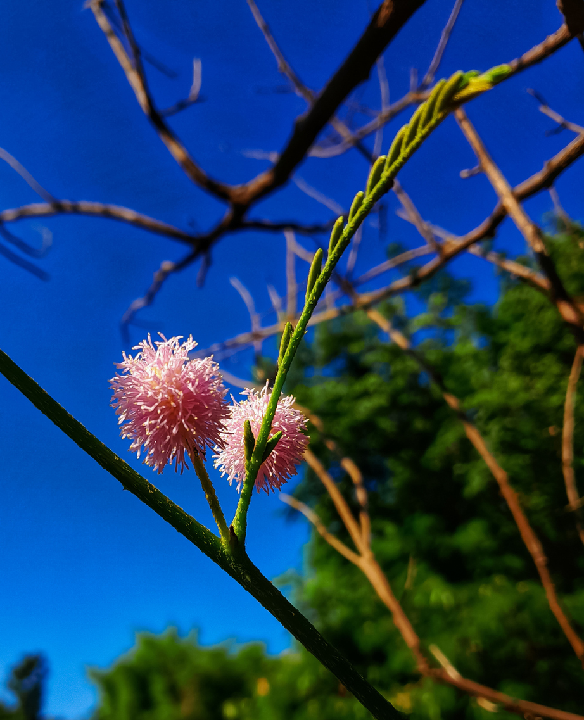
And the last, but certainly not least, are plants from the Marantaceae. Maranta species will bob up and down as they day passes to utilise the moving sunlight and will completely “close” their leaf blades at night.
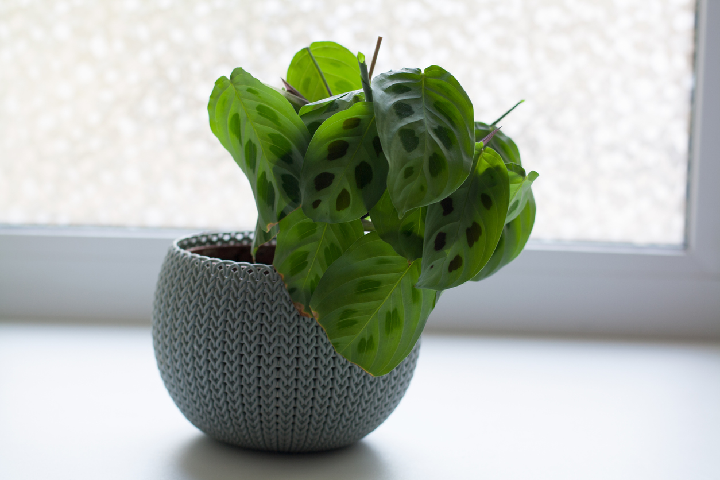

You can see the way Maranta foliage opens up to take advantage of the sunlight.
Nyctinasty follows the order of our natural world, as plants follow the patterns of day and night. Known as the circadian rhythm, I imagine our ancestors probably worshipped these plants for moving on their own. We’ve got some brilliant timelapses featuring these movements on our Instagram, do yourself a favour and check them out!


